
Science news
AI May Know How You'll Respond to a Vaccine Before You Get It
Researchers have developed AI algorithms that can predict how strongly an individual will respond to a vaccine before they receive it, potentially allowing for personalized immunization strategies based on genetic and biological markers.
Honeybee Queens Shift Pesticide Contamination Into Eggs, Revealing Survival Strategy
Researchers discovered that honeybee queens exposed to pesticides can transfer some of the toxins into their eggs as a protective mechanism, though this survival strategy may endanger developing offspring.
SpaceX Rocket Crash Creates 60-Foot Crater on Moon, Reveals Impact Details
A discarded SpaceX Falcon 9 upper stage crashed into the Moon on August 5, creating a crater approximately 60 feet wide, with NASA's Lunar Reconnaissance Orbiter capturing detailed images of the impact site and debris patterns.
Soft Tissue in 450-Million-Year-Old Fossil Represents Rarest Discovery of Preserved Biological Material
Scientists have identified exceptionally rare soft tissue preserved in a 450-million-year-old crinoid fossil, marking a discovery more than 200 million years older than previously known soft tissue preservation in similar organisms.
Ozempic Activates Brain's Hunger Neurons in Surprising Reversal of How Scientists Expected It to Work
A new study reveals that Ozempic may work in the brain by activating hunger-linked neurons in an unexpected way, which appears essential for sustaining fat loss. The discovery in mice could lead to development of even more effective weight-loss treatments.
Brain's Information Hub Shows Surprising Flexibility in Handling Uncertainty
Scientists discovered that the brain's frontoparietal cortex constantly changes how it connects and communicates with other brain regions depending on what information it needs to process.
Scientists Turn Probiotic Bacteria Into Tiny Drug Factories for Pancreatic Cancer
Researchers engineered special bacteria to infiltrate pancreatic tumors, boost immune cells to attack cancer, and slow tumor growth in animal tests, working even better when combined with standard treatments.
Japanese Scientists Use Silver Nanoparticles to Boost DNA Assembly Efficiency by 5x
Researchers discovered that tiny silver particles can cut DNA more precisely and increase how easily genetic fragments connect, making DNA assembly up to five times faster and more efficient.
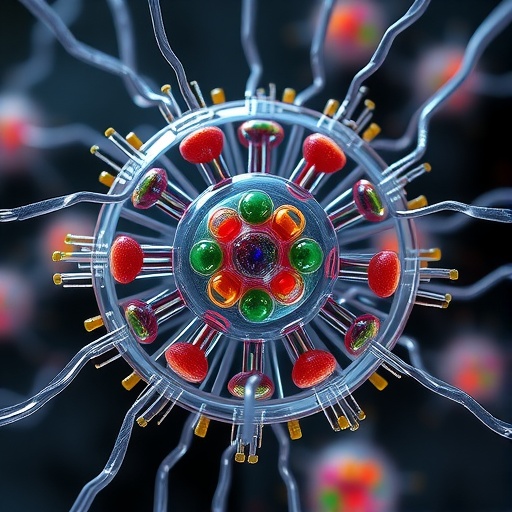
MIT Engineers Build Living Transistors From Bacterial Colonies
Researchers created networks of engineered bacteria that act like biological computer circuits, processing molecular signals and transmitting information just like electronic components do.
Tiny Light-Powered Robots Developed to Hunt Down and Collect Bacteria at Microscopic Scale
Researchers have created microscopic robots powered by light that can rapidly navigate through liquid, hunt down bacteria, and deposit them in chosen locations, potentially revolutionizing how scientists manipulate cells and microbes.
Einstein's Abandoned Cosmological Constant Makes a Spectacular Comeback in Accelerating Universe
Astronomers have discovered that the universe's expansion is accelerating, reviving Einstein's cosmological constant theory that had been abandoned for decades. This finding now sits at the heart of modern cosmology and changes how scientists understand the cosmos.
Scientists Discover 'Black Hole Star' That May Explain Early Universe Mysteries
Astronomers may have finally solved the mystery of mysterious 'little red dots' in early-universe images: they appear to be 'black hole stars'—early, rapidly growing black holes wrapped in dense gas that could explain how billion-solar-mass black holes formed so soon after the Big Bang.
Scientists Turn DNA Into Ultra-Low-Power Memory Device Using 100 Times Less Energy
Researchers have combined synthetic DNA with a semiconductor to create a revolutionary memory device that stores and processes information in the same place, using drastically less power than conventional computers—opening possibilities for energy-efficient AI and computing.
↗ Linked storyHidden Nerve Network in Breast Cancer Reveals New Way Tumors Hijack Immune System
Researchers have uncovered how triple-negative breast cancer tumors recruit immune-healing cells and manipulate them to suppress cancer-fighting responses, opening new therapeutic targets to prevent immune system hijacking.
↗ Linked storyGut Microbes Linked to Fiber Consumption and Intestinal Health
Researchers discovered that gut microbes consume proteins from the intestinal lining when fiber is limited, but eating adequate fiber can suppress this harmful process. The findings suggest that indigestible plant proteins help feed beneficial gut bacteria.
Immune Cells Flood Into the Aging Brain
Stanford researchers discovered that immune cells from the bloodstream enter the brain in large numbers during aging, suggesting the aging brain is far less isolated from the body than previously believed. This finding could change how scientists understand neuroinflammation and age-related cognitive decline.
↗ Linked storyNeptune's Tiny Moons May Be Ancient Wreckage from Cosmic Catastrophe
The James Webb Space Telescope has uncovered clay-like minerals on Neptune's inner moons Larissa and Galatea, revealing evidence that these unusual moons may be remnants of ancient destroyed worlds. The discovery suggests Neptune's system experienced a violent cosmic collision billions of years ago.
JWST Discovers Galaxy with Three Black Holes Just 1.3 Billion Years After Big Bang
The James Webb Space Telescope has identified an extraordinarily distant galaxy containing three black holes, observed when the universe was only 1.3 billion years old. The discovery challenges existing models of how rapidly supermassive black holes could have formed in the early universe.
↗ Linked storyMassive New Cosmic Map Reveals Black Holes and Hidden Gas Across Southern Hemisphere
Astronomers have released over three million new spectra as part of SDSS-V's expansion to the Southern Hemisphere, revealing unprecedented details about black holes, rare stars, and hidden cosmic gas. This major data release advances understanding of the universe's structure and composition.
↗ Linked story
Total Solar Eclipse Dazzles Millions Across Europe
A total solar eclipse thrilled millions of people across Europe on Wednesday, August 12, with spectacular views from Iceland and Spain as the moon's shadow traced a path across the Northern Hemisphere.
↗ Linked story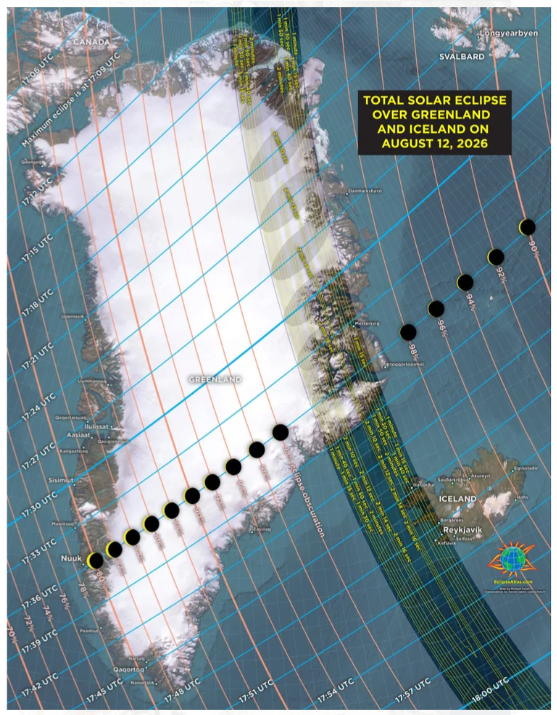
Total Solar Eclipse Dazzles Spain, Iceland, and Greenland on August 12, 2026
Millions of people across Spain, Iceland, Greenland and other locations witnessed a spectacular total solar eclipse on Wednesday, August 12, 2026, with the moon entirely obscuring the sun. Observers in Spain saw up to 1 minute and 50 seconds of totality, with the eclipse occurring near sunset, and the Perseid meteor shower peaked on the same day.
↗ Linked story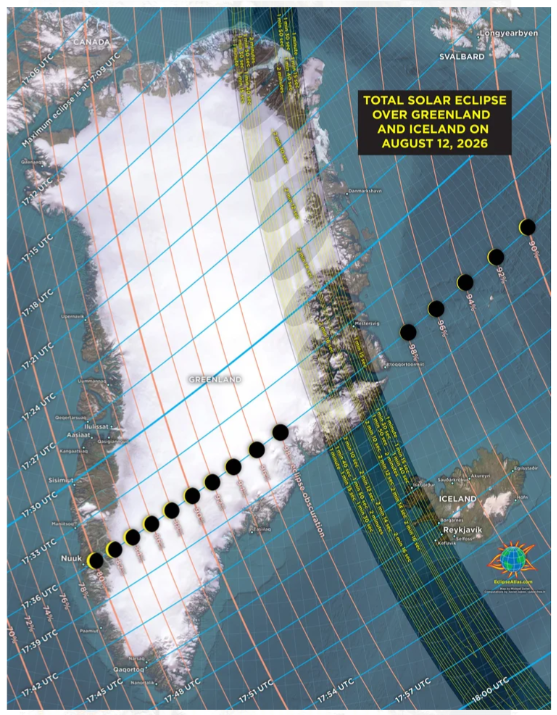
Total Solar Eclipse Transforms Europe and Arctic Today; Millions Await Historic Cosmic Event
On August 12, 2026, millions of people in Spain, Iceland, Greenland and beyond are witnessing the moon completely block out the sun in a rare total solar eclipse—mainland Europe's first since 1999. The eclipse also coincides with a six-planet alignment and peak of the Perseid meteor shower, making it an extraordinary skywatching day.
↗ Linked story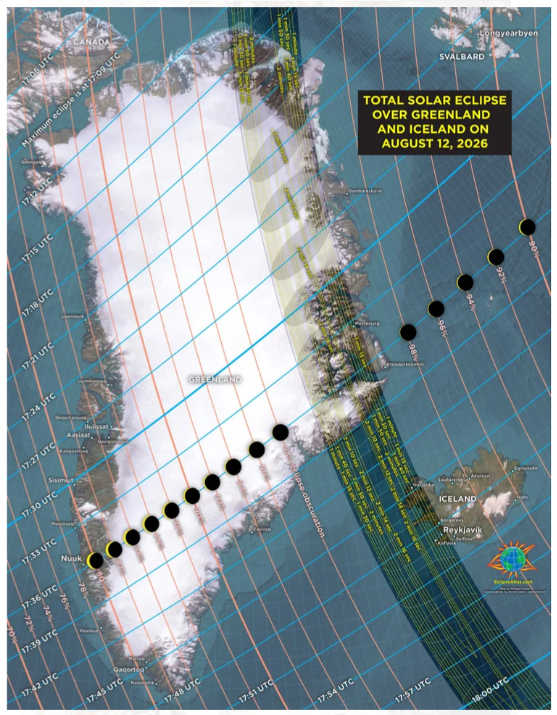
Total Solar Eclipse Crosses Northern Hemisphere Today—Rare Celestial Event Brings Triple Astronomical Show
On August 12, 2026, a total solar eclipse will cross the Northern Hemisphere with a path of totality over Greenland, Iceland, and northern Spain. The rare event coincides with a six-planet alignment visible before sunrise and the peak of the Perseid meteor shower after dark.
↗ Linked storyBlack Holes Older Than the Big Bang Could Explain Dark Matter Mystery
Scientists propose that some black holes in the universe today may be older than the Big Bang itself, according to a new cosmic "bounce" model suggesting the universe went through an earlier contracting phase. This breakthrough could help explain the nature of dark matter.
Corrosion-Resistant Steel Could Slash Green Hydrogen Production Costs by 40 Times
Scientists have engineered a new stainless steel that resists corrosion far better than titanium, potentially reducing the cost of green hydrogen production from seawater by replacing expensive titanium components.
↗ Linked story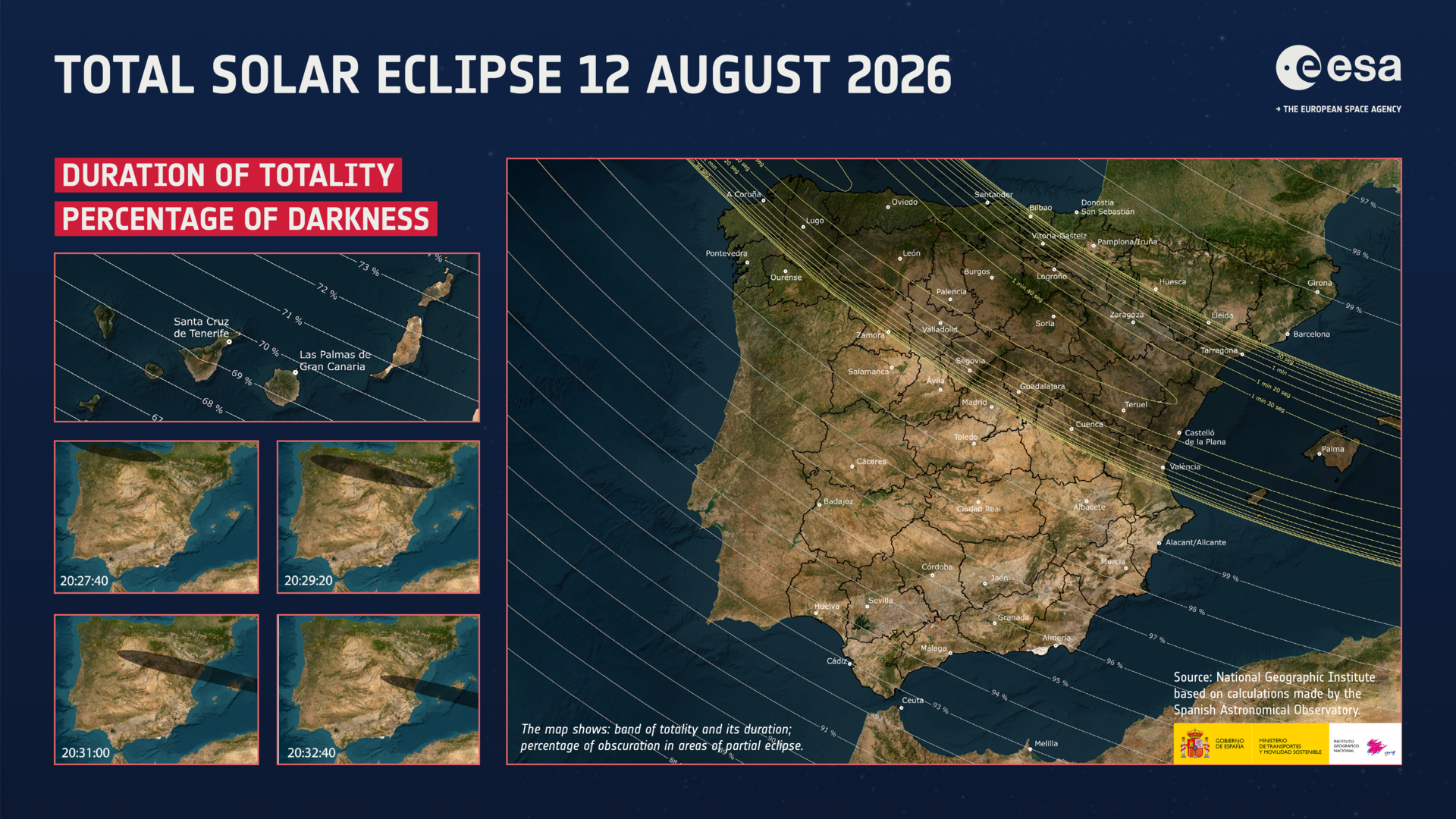
A Rare Total Solar Eclipse Will Plunge Parts of Europe Into Darkness on August 12, 2026
A total solar eclipse will cross Europe on August 12, 2026, with Spain offering some of the best viewing opportunities. The European Space Agency will livestream the event from the Javalambre Observatory with telescope feeds, drone footage, and expert commentary.
↗ Linked storyNASA Extends Voyager 2 Mission with Power Optimization Strategy
NASA engineers successfully extended the operational life of the 47-year-old Voyager 2 spacecraft through a clever power-management operation, strategically shutting down non-essential systems to preserve the probe's remaining battery capacity.
↗ Linked storyNASA Extends Voyager 2 Mission With Clever Power-Saving 'Big Bang' Maneuver
NASA engineers have successfully extended Voyager 2's operational life through an innovative power-management technique called the 'Big Bang,' simultaneously shutting down power-hungry hardware to preserve the 50-year-old spacecraft's remaining energy reserves.
↗ Linked story
Bacteria Discovered That Can Trap Toxic Uranium, Offering Hope for Contaminated Sites
Scientists have discovered bacteria capable of trapping toxic uranium in uranium-contaminated water, removing about 95% of dissolved uranium within hours when fed glycerol. This breakthrough could revolutionize environmental remediation at polluted mining and industrial sites worldwide.
Transistor Breakthrough at 0.42 Nanometers Could Push Computing Beyond Silicon
Researchers achieved a significant engineering milestone with atomically-thin semiconductors, overcoming a material boundary problem that has limited the performance of next-generation computer chips.
Tiny Gold Crystal Brings Quantum Technology Out of the Deep Freeze
Scientists created the first quantum material that can sort and transport different quantum states of light at room temperature. This breakthrough could eliminate the need for bulky, ultra-cold refrigeration systems normally required for quantum technology.
↗ Linked storyAncient Protein C3 Shows Promise in Transforming Cancer Immunotherapy Treatments
Scientists have discovered that a protein called C3, which evolved long before human circulatory systems, can block immune-suppressing cells inside tumors, giving immunotherapy drugs a significantly better chance to work. The finding could lead to more effective cancer treatments for previously resistant cases.
↗ Linked storyScientists Discover Plasma Whirlpools Across the Sun's Surface
Scientists have discovered incredibly tiny plasma whirlpools swirling across the Sun's surface, some just 20 kilometers wide. These previously unknown solar phenomena could help explain the Sun's extreme temperature and energy behavior.
New Fuel Cell Breakthrough Promises Efficient Power for Data Centers
A new nanostructured carbon design lets fuel-cell catalysts use tiny amounts of platinum while remaining remarkably stable and efficient. The breakthrough could help hydrogen fuel cells power energy-hungry data centers and vehicles more practically.
↗ Linked storyRare Meteorite Containing Ancient Organics Crashes Through New Jersey Roof
A rare meteorite that crashed through a New Jersey home contains evidence of ancient salty fluids, organic compounds, and amino acids from a primitive asteroid. Its pristine chemistry offers new insights into the origins of life and extraterrestrial chemistry.
Quantum Computing Breakthrough: Room-Temperature Material Sorts Light Without Lasers
Scientists have created the first quantum material that can sort and transport different quantum states of light at room temperature, eliminating the need for expensive, bulky ultra-cold refrigeration systems. This breakthrough could democratize quantum computing and make quantum technologies practical for everyday applications.
↗ Linked storyWearable Patch Accelerates REM Sleep Without Medication
A new wearable patch device helped participants reach REM sleep 43 minutes faster and extended REM duration by approximately 16 minutes without requiring medication or surgery.
↗ Linked storyHeat Can Now Be Directed in Focused Rays Through Crystals at Room Temperature
Scientists have demonstrated that heat can move through crystals in focused, wave-like rays at room temperature rather than spreading randomly, opening new possibilities for thermal management in advanced electronics.
↗ Linked story
UCLA Scientists Discover How to Guide Heat Like Light at Room Temperature
Scientists demonstrated that heat can move through a crystal in focused, wave-like rays at room temperature instead of spreading randomly. This breakthrough could revolutionize how heat is managed in next-generation computer chips and electronics.
↗ Linked storyQuantum Entanglement Generated Directly from Sunlight, Eliminating Need for Expensive Lasers
Scientists have successfully generated quantum entanglement directly from sunlight for the first time, potentially offering a lower-energy, more cost-effective alternative to the expensive laser systems traditionally required for quantum technology applications.
Nanoreactor Converts Sunlight to Hydrogen Peroxide With Unprecedented Efficiency
Scientists created a hollow nanoreactor inspired by living cells that produces hydrogen peroxide using visible light more efficiently than previous methods, opening new possibilities for clean energy and industrial chemistry.
Supermassive Black Hole Detected 30,000 Light-Years From Galaxy Center
Astronomers found a dormant black hole farther from a galactic core than ever before—revealed only after it destroyed a passing star, creating detectable radiation signals.
Stanford Scientists Discover Immune Cells That Explode Like Microscopic Bombs
Researchers found flatworm immune cells that self-destruct within minutes to kill bacteria and foreign invaders, offering a radical new defense strategy distinct from anything seen in mammals.
↗ Linked storyA Colossal Magma System Discovered Hidden Beneath Tuscany, Italy
Scientists using seismic sensors detected a massive 6,000-cubic-kilometer magma reservoir deep beneath Tuscany that shows no obvious surface signs, revealing hidden geological structures using ground vibrations.
Bioengineered Chewing Gum Cuts HPV Levels by Up to 93% in Oral Cancer Study
Researchers at the University of Pennsylvania developed a specially engineered chewing gum that significantly reduces viruses and bacteria linked to head and neck cancer while preserving healthy mouth bacteria, offering a potentially affordable preventive therapy.
Cancer-Fighting Chewing Gum Shows Remarkable Results Against HPV and Head-Neck Cancer Bacteria
A specially engineered chewing gum reduced human papillomavirus (HPV) levels by up to 93% and nearly eliminated bacteria linked to head and neck cancer while preserving beneficial mouth bacteria, offering a potential new approach to oral cancer prevention.
Hydrogen Turbine Breakthrough: Generating Electricity From Controlled Explosions
Scientists have successfully developed a hydrogen turbine that generates electricity through detonation waves, bypassing traditional mechanical compressors and opening new pathways for clean energy production and advancing understanding of high-energy physics.
↗ Linked storyScientists Discover New Type of Quantum Behavior: 'Negative Time' in Photons
Researchers found that photons traveling through a cloud of atoms can emerge so early they appear to have spent a negative amount of time inside, revealing that 'negative time' is more than just an illusion and could unlock new physics.
↗ Linked story