
NASA's X-59 Jet Prepares for Historic Sound Barrier Challenge
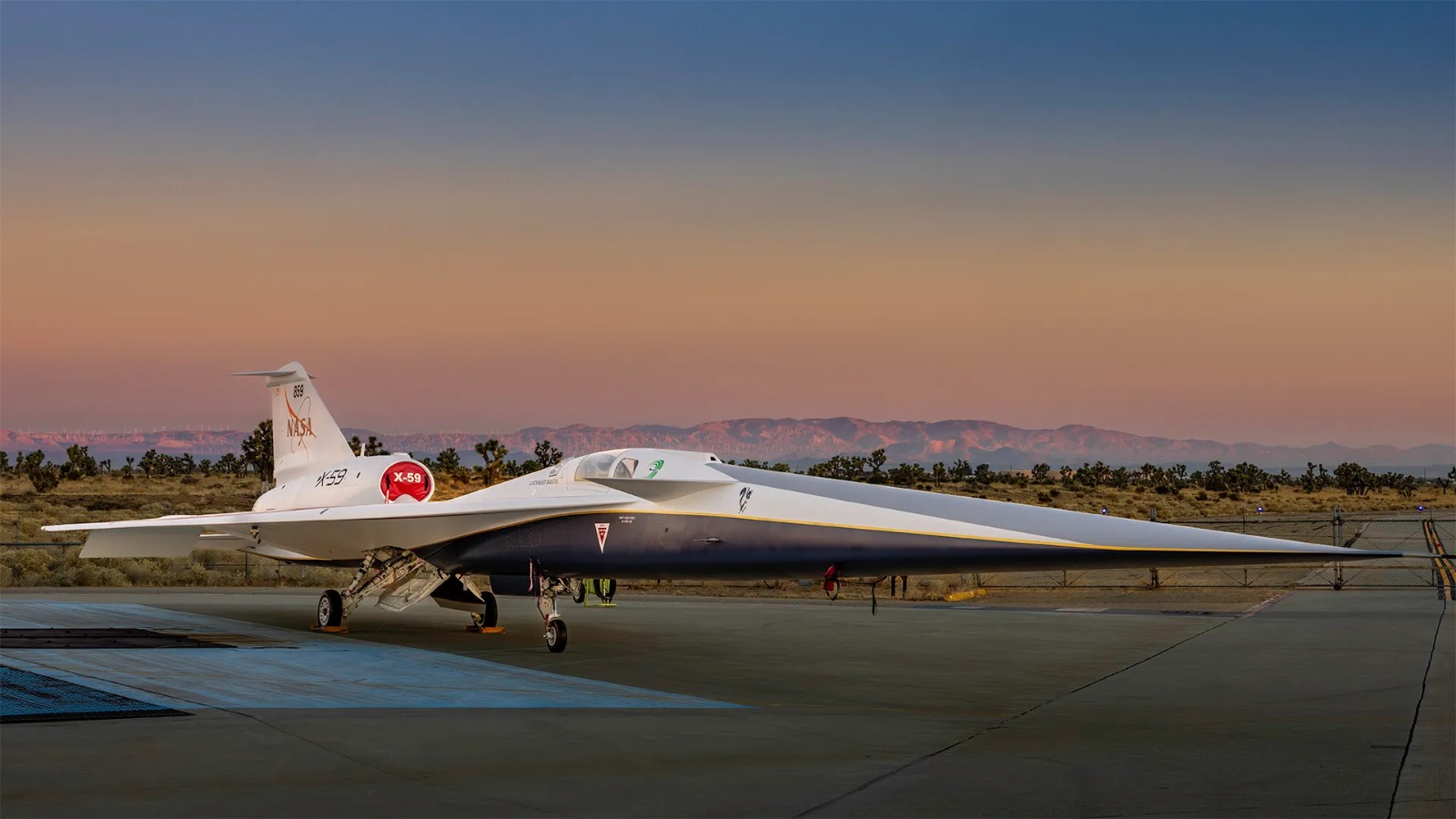
NASA's futuristic X-59 experimental aircraft is about to break the sound barrier for the first time after successful test flights that pushed it to near-supersonic speeds. This milestone will advance the agency's research into supersonic flight technology.
Breakthrough Moment for Supersonic Research
NASA's futuristic X-59 jet is about to face its biggest challenge yet: breaking the sound barrier for the first time. After a successful series of test flights that pushed the aircraft to near-supersonic speeds, engineers are preparing to fly it beyond Mach 1—a critical milestone in experimental aviation.
Why It Matters
The X-59 represents a new generation of experimental aircraft designed to explore the physics and engineering limits of supersonic flight. Successfully breaking the sound barrier will provide engineers with crucial data about aerodynamics, structural integrity, and control systems at transonic and supersonic speeds. This research has applications for future commercial supersonic aircraft and could help NASA develop faster, more efficient aerospace technologies.
Technical Preparation
The series of subsonic and transonic test flights has been essential for validating the aircraft's systems and gathering baseline performance data. These flights allowed engineers to confirm that all aircraft systems perform reliably and to identify any potential issues before the aircraft is subjected to the extreme conditions of supersonic flight. The careful progression from slower speeds to the sound barrier represents sound engineering practice for experimental vehicles.
What Comes Next
Once the sound barrier is broken, the X-59 program will continue gathering data on supersonic flight characteristics, aerodynamic heating, and control authority in the supersonic regime. This information will feed into the broader understanding of how aircraft behave at high speeds and could influence the design of future military and civilian supersonic vehicles.