
Cancer Spread Peaks in Middle Age, Challenging Assumptions About Aging and Melanoma
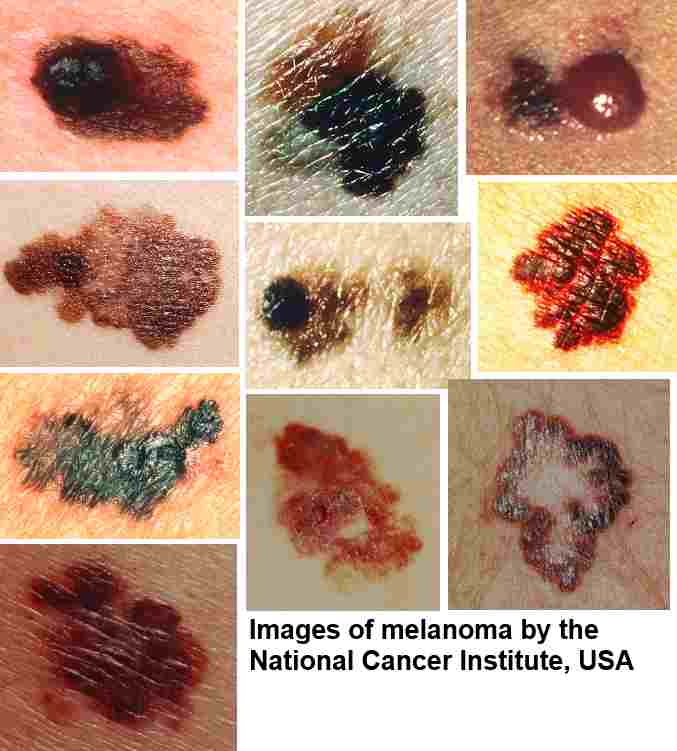
A surprising new study reveals that melanoma spread follows an unexpected pattern across the lifespan: lowest in young mice, surging dramatically in middle-aged mice, then declining again in very old mice. This challenges the longtime assumption that cancer becomes increasingly aggressive with advancing age.
Unexpected Pattern of Cancer Progression
Melanoma may not become steadily more dangerous with age as scientists once assumed. In a surprising discovery, researchers found that cancer spread was lowest in young mice, surged in middle-aged mice, and then dropped again in very old mice. This nonlinear relationship between age and cancer metastasis overturns a long-held assumption in cancer biology.
Biological Significance
The finding suggests that the immune system and other biological factors that influence cancer spread do not change uniformly with aging. Instead, there appear to be specific windows in the lifespan when conditions are particularly favorable for melanoma progression. Middle age, rather than advanced age, emerges as the critical period of highest risk for cancer spread in this model system.
Implications for Understanding Aging and Cancer
This research contributes to a broader understanding of how aging influences cancer biology. Rather than assuming that older patients will have more aggressive cancers, clinicians and researchers may need to consider age-specific patterns of disease progression. The study could inform strategies for cancer prevention and treatment that are tailored to different age groups, recognizing that the biology of cancer progression may be quite different across the human lifespan.