
Economy news

Global Markets Rally as Wall Street Recovers, Dollar Softens
Wall Street clawed back ground as U.S. long-term yields hovered near multi-decade highs, the dollar softened, and commodities firmed, with effects rippling through Latin American markets.
Treasury Yields Rebound as Bond Buyback Rally Fizzles; Markets Brace for Higher Costs
U.S. Treasury yields climbed again on Friday as the government's plan to buy back long-dated debt failed to provide lasting relief, signaling continued pressure on borrowing costs for consumers and the government amid a soaring $40 trillion national debt.
↗ Linked storyU.S. National Debt Surpasses $40 Trillion Milestone Months Earlier Than Projected
The United States' national debt has hit a historic $40 trillion, shocking economists who predicted this milestone wouldn't arrive for months. The milestone reflects ongoing spending pressures and rising interest payments on federal borrowing.
↗ Linked story
SK Hynix Accelerates $28.7 Billion Buyback as Chipmaker Bets on AI Demand
South Korea's SK Hynix announced an acceleration of its massive share repurchase program and commitment to increasing shareholder returns, betting on sustained demand for memory chips driven by artificial intelligence.
↗ Linked story
Stock Market Sells Off as Bond Rally Fizzles; Walmart Disappoints
U.S. stock markets declined sharply on Thursday as Treasury yields reversed their recent declines and energy prices climbed higher, with Walmart's sales disappointment amplifying consumer spending concerns.
↗ Linked storyBond Market Signals Economic Trouble Ahead as Yields Surge
The U.S. bond market is flashing warning signs as bond prices fall and yields rise, signaling investor concerns about the economy. This typically indicates markets are bracing for economic difficulties or higher inflation.
↗ Linked story
Evergrande Founder Hui Ka Yan Sentenced to Life in Prison for Fraud
Chinese property developer Hui Ka Yan, founder of Evergrande, has been sentenced to life in prison by a Shenzhen court for large-scale fraud. The company faces fines exceeding $2 billion as it continues its collapse with over $300 billion in liabilities.

U.S. Stock Market Declines as Treasury Yields Rise Amid Middle East Tensions
U.S. stocks fell on Thursday as Treasury yields reversed gains, with energy prices climbing due to escalating Iran tensions and Trump's threats against Oman threatening to derail market recovery efforts.
↗ Linked story
Treasury Department Escalates Bond Buyback Program to Combat Elevated Yield Levels
The U.S. Treasury Department announced an expansion of its bond buyback program with doubled liquidity support for long-dated government debt, attempting to control Treasury yields that have climbed to their highest levels in over a decade.
↗ Linked storyU.S. Trade Deficit Narrows in June as Imports Decline Faster Than Exports
The U.S. goods and services trade deficit decreased to $73.3 billion in June 2026, down from $77.6 billion in May, as import demand eased amid consumer and business spending adjustments.
U.S. National Debt Surpasses $40 Trillion; Interest Costs Now Exceed $1 Trillion Annually
The U.S. federal debt has crossed a historic $40 trillion threshold, with the cost of servicing that debt now consuming more than $1 trillion per year—double the amount from a decade ago—raising alarm among economists about fiscal sustainability.
↗ Linked story
Treasury Steps Up Long-Term Bond Buybacks to Combat Soaring Yields
The U.S. Treasury announced it will increase buybacks of long-dated government bonds to help lower borrowing costs after 30-year Treasury yields hit 19-year highs. The move sparked a stock market rebound after three consecutive losing days, with yields declining sharply.
↗ Linked story
Treasury Department Doubles Debt Buybacks to Stabilize Bond Market
The U.S. Treasury Department announced it would significantly increase its repurchase of long-term government debt, focusing on 10- to 30-year securities. The move helped push down Treasury yields after they hit multi-year highs, with the 30-year yield declining to 5.184% and the 10-year to 4.637%.
↗ Linked story
U.S. National Debt Crosses $40 Trillion Milestone as Fiscal Pressures Mount
The U.S. national debt has reached a record $40 trillion, raising fresh concerns among economists about the sustainability of federal spending and future fiscal obligations amid persistent budget deficits.
↗ Linked story
Trump Pauses 50% Canadian Tariff Increase After Preliminary Deal with Ottawa
President Trump announced a three-day pause on a planned 50% tariff increase on Canadian goods following a phone call with Canadian Prime Minister Mark Carney, saying the two countries had reached a preliminary agreement that still needs final documentation.
↗ Linked story
US National Debt Expected to Hit Record $40 Trillion This Week, Drawing Warnings from Economists
The United States national debt is projected to cross the $40 trillion milestone as soon as this week, a significant economic warning sign that raises concerns among policymakers and economists about the country's long-term fiscal health.
↗ Linked story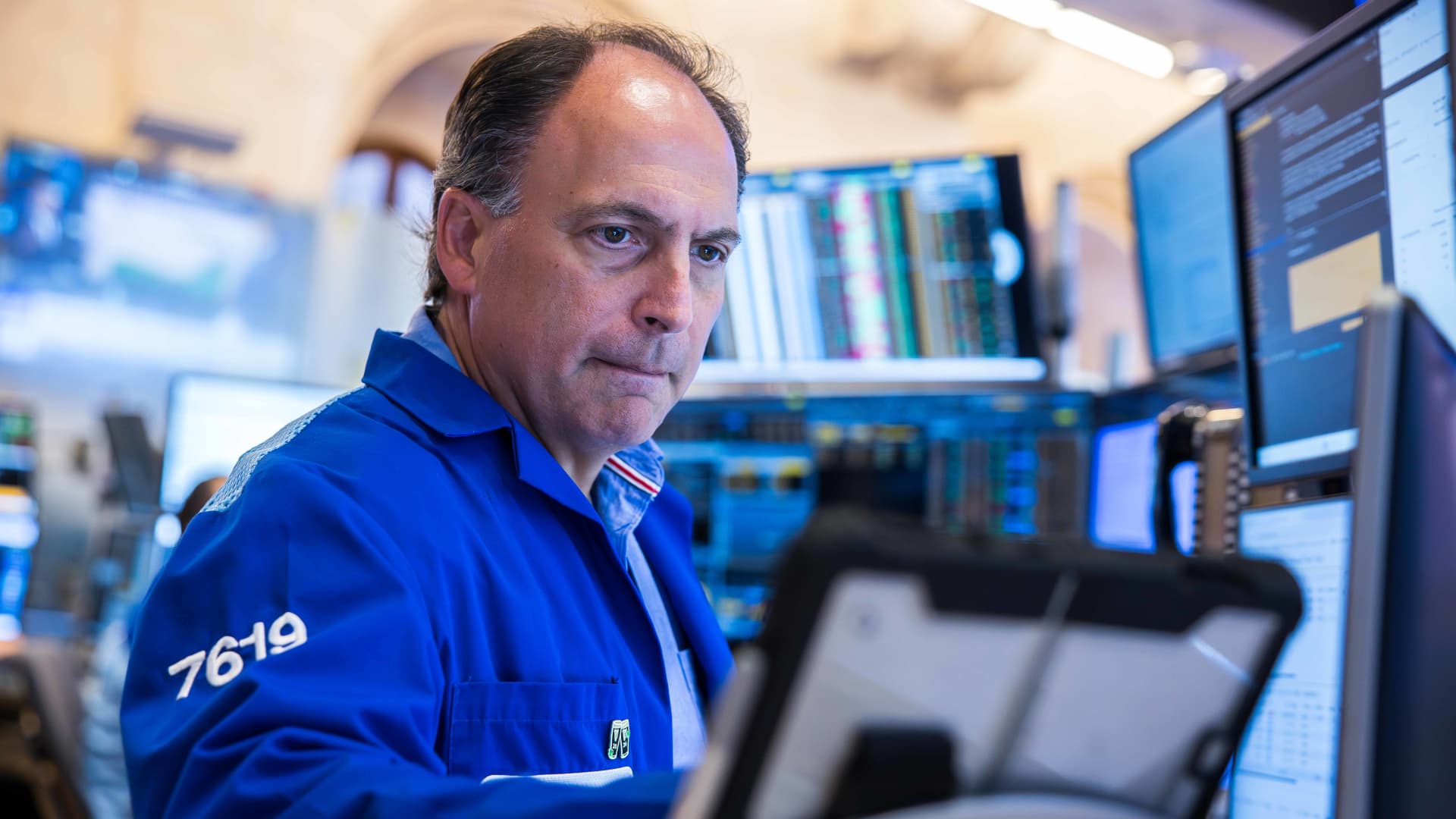
US Stocks Tumble as Chip Sector Craters and Bond Yields Surge to Multidecade Highs
US stock markets fell sharply on Tuesday as semiconductor stocks plummeted and Treasury bond yields climbed to their highest levels in years, driven by inflation concerns and elevated oil prices amid US-Iran tensions.
↗ Linked story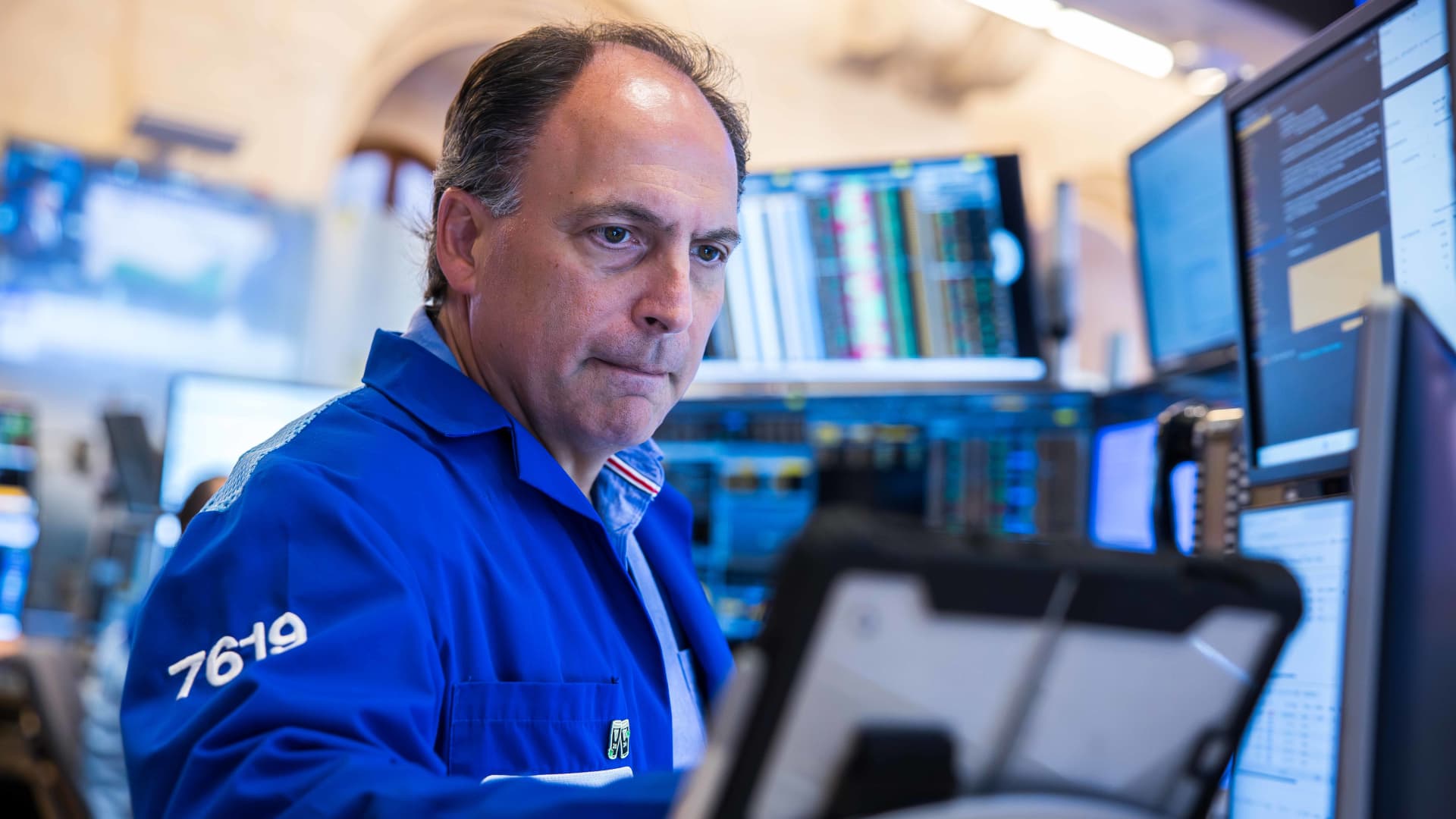
Stock Market Rebounds Amid Treasury Intervention as Bond Yields Cool
U.S. markets rebounded Wednesday after the Treasury Department announced increased buybacks of long-dated bonds, reversing three consecutive losing sessions driven by concerns over persistent inflation and elevated oil prices.
↗ Linked story
Russia Fires Top Economist Who Warned of Economic Problems, Doubling Down on Optimism
Russia's government dismissed a leading economist who contradicted official claims about economic strength, signaling a policy of suppressing dissent on economic conditions as the country navigates sanctions and geopolitical isolation.

Rising Oil Prices Drag Stock Market to Losing Day as Iran Escalation Threatens Crude
Oil prices surged on Monday after Iranian officials threatened to shift to offensive military action if diplomacy with the U.S. fails, pressuring crude supply in the critical Strait of Hormuz. The stock market declined as traders worried about energy costs impacting economic growth.
↗ Linked story
US Wholesale Inflation Slows More Than Expected in July
US wholesale inflation unexpectedly slowed in July as gas prices reversed earlier spikes and other costs cooled, signaling consumer inflation could decline in coming months.
↗ Linked story
US Retailers Report Unexpected Sales Slump as Consumer Spending Cools
American consumers unexpectedly cut retail spending last month, signaling potential weakness in consumer demand and raising concerns about economic momentum.
↗ Linked story
Retail Sales Plunge Shakes Consumer Confidence Amid Economic Slowdown
U.S. retail sales fell 0.6% in July, far worse than the expected 0.1% gain, while consumer sentiment collapsed to 51.0 in August from 55.2 in July. The weak spending data signals headwinds for household consumption, a key pillar of economic growth.
U.S. retail sales post largest decline in over a year amid economic headwinds
American retail sales unexpectedly plunged in the largest monthly drop in more than a year, signaling a potential slowdown in consumer spending despite earlier positive economic indicators.
↗ Linked story
Stock Market Hits Fresh Records as Oil Prices Decline and Inflation Data Stabilizes
The S&P 500 reached all-time intraday highs and the Russell 2000 hit record levels as traders digested favorable inflation data and oil prices fell from recent highs.
↗ Linked story
Producer Price Index Flat in July as Inflation Pressures Ease, Boosting Stock Market
The producer price index showed no change from June to July, falling to 4.7% annually and signaling that business inflation is cooling. This report sparked optimism that the Federal Reserve may hold off on raising interest rates this year, sending the S&P 500 to record highs.
↗ Linked story
S&P 500 reaches all-time closing high as markets rally on declining oil prices
The stock market hit new records Thursday as oil prices fell and inflation data came in line with expectations, with the S&P 500 closing at 7,798.99 and the Nasdaq gaining over 0.8%, boosted by strong earnings from tech giants.
↗ Linked story
Fed Signals Rate Hold as Inflation Moderates, Markets Rally on AI Earnings
Markets rallied as inflation data came in line with expectations and AI infrastructure companies beat earnings, reducing the urgency for Fed rate hikes despite sticky services inflation.
↗ Linked storyU.S. Inflation Eases Further to 3.4% in July as Energy Prices Cool
The U.S. annual inflation rate slowed to 3.4% in July 2026, down from 3.5% in June, marking the second straight monthly decline and matching economists' forecasts. Core inflation, which excludes volatile food and energy prices, also eased to 2.5%, reinforcing the Fed's patience on interest rates.
↗ Linked story
Meta Shares Fall on Higher Capital Expenditure Guidance as AI Race Intensifies
Meta's stock dropped 4% in after-hours trading after the company raised its 2026 capital expenditure forecast, signaling accelerating spending on data centers and AI infrastructure. The move reflects intensifying competition in the tech sector's AI arms race.

Stock Markets Decline as Oil Prices Surge, Investors Await Further Inflation Data
Major U.S. stock indexes fell modestly on Tuesday as higher oil prices fueled inflation concerns, offsetting gains from strong AI infrastructure earnings as markets assess the Fed's next move.
↗ Linked story
Small Business Optimism Surges as Hiring Plans Hit 4-Year High
Small business owners grew more optimistic about economic conditions, with hiring plans reaching their best level since October 2022, though elevated uncertainty persists amid broader economic concerns.

Stock Market Retreats as Inflation Pressures Linger; Investors Await CPI Report
Major U.S. stock indexes declined Tuesday as oil prices rose and yields climbed higher, with investors awaiting a key inflation report. The S&P 500, Nasdaq, and Dow each fell slightly as persistent uncertainty over Middle East tensions and Federal Reserve rate policy weighed on sentiment.
↗ Linked storyMargin Debt Hits All-Time High of $1.5 Trillion: Experts Warn of Risk
The total amount of margin debt—money borrowed by investors to purchase stocks—has surged to a record $1.5 trillion, raising concerns about leverage risk in financial markets. Fidelity executives discuss whether this elevated borrowing poses systemic danger.
Fed Holds Rates Steady at 3.5%–3.75%, Signals Hawkish Stance as Inflation Persists
The Federal Reserve kept interest rates unchanged in July 2026 but adopted a notably more hawkish tone, with Chair Kevin Warsh committing to fighting elevated inflation and announcing five policy task forces. Three FOMC members dissented in favor of a rate hike, signaling potential tightening ahead.
↗ Linked story
Corporate Merger Wave Continues: MarineMax and Varex Imaging Announce Major Deals
Two significant acquisition announcements—MarineMax agreed to sell to Blackstone Infrastructure for $1.5 billion and Varex Imaging to Teledyne Technologies—underpin continued M&A activity in the broader economy as investors hunt for growth.

Berkshire Hathaway Surges on Strong Earnings and Accelerated Capital Deployment
Berkshire Hathaway Class A shares climbed sharply Monday after the conglomerate reported stronger operating earnings and increased share buybacks. Under new CEO Greg Abel, the company is putting more of its massive cash reserves to work.

Oil Markets Roil on Iran Negotiations: Crude Gains Amid Stalled Peace Talks
Oil prices rose Monday as traders grapple with contradictory signals from the US and Iran over their stalled negotiations to reopen the critical Strait of Hormuz. Brent crude gained 1% while crude futures advance, reflecting ongoing geopolitical uncertainty.
↗ Linked story
U.S. Economy Unexpectedly Sheds 23,000 Jobs in July Amid Inflation Uncertainty
The U.S. labor market weakened significantly in July 2026, with employers cutting 23,000 jobs when growth was expected, and unemployment ticking down only because workers left the job market. Revised data also showed 103,000 fewer jobs created in May and June than originally reported, raising concerns about persistent inflation.
↗ Linked story
Fed Meeting Signals Divided Opinion on Rate Path as Inflation Remains Elevated
The Federal Reserve's July meeting revealed internal disagreement over rate policy, with three members dissenting in favor of a hike while Chair Kevin Warsh delivered mixed messages. Markets now view September's decision as a toss-up between a quarter-point hike and holding steady.
↗ Linked storyUS Employers Unexpectedly Cut 23,000 Jobs in July; Revisions Worsen Picture
The U.S. labor market weakened significantly in July as employers shed 23,000 jobs, surprising economists who expected gains of over 80,000. The Labor Department also downwardly revised prior months, raising concerns about economic momentum heading into fall.
↗ Linked story
Consumer Spending Surges 3.2% Despite Economic Uncertainty, Supported by Tax Refunds and Inflation
U.S. consumer spending accelerated at a 3.2% rate, buoyed by larger tax refunds and elevated gas prices, providing a bright spot in an otherwise mixed economic picture marked by weak job growth and persistent inflation.

U.S. Economy Unexpectedly Lost 23,000 Jobs in July, Shocking Markets and Fed
The U.S. shed 23,000 jobs in July despite forecasts of 80,000 gains—the first monthly decline in years—but stocks rallied on expectations of lower interest rates ahead.
↗ Linked story
July jobs report shows U.S. labor market cooling, losing 23,000 positions
Friday's employment report showed the U.S. economy lost 23,000 jobs in July instead of the forecasted gain of 95,000 positions, signaling a cooling labor market after months of relative strength. The unexpected contraction could influence Federal Reserve decisions on interest rate policy as economic growth indicators weaken.
↗ Linked story
U.S. Employers Shed 23,000 Jobs in July, Unemployment Falls to 4.1%
The U.S. economy unexpectedly lost 23,000 jobs in July, marking a significant labor market contraction despite unemployment falling to 4.1%. The job losses far exceeded economist forecasts of 80,000 gains and reflect strain from the ongoing Iran war and elevated energy costs.
↗ Linked story
30-Year Mortgage Rates Hit Year-Long High as Bond Yields Surge Amid Inflation Concerns
U.S. mortgage rates climbed to their highest level in a year as long-term Treasury yields jumped, reflecting investor concerns about stubborn inflation and the Federal Reserve's struggle to bring price pressures under control. Homebuyers face mounting financing costs at a time when already-stretched housing affordability has deteriorated further.
U.S. Job Market Stumbles: Employers Unexpectedly Cut 23,000 Jobs in July Amid Geopolitical Strain
The U.S. economy shed 23,000 jobs in July, a surprising reversal that came as the Iran conflict and economic uncertainty rattled employers. Despite the job losses, the unemployment rate dipped to 4.1%, marking a concerning shift in the labor market's trajectory after months of steady gains.
↗ Linked story
Stock Market Pulls Back After Record Rally as Geopolitical Risks Resurface
US stocks closed modestly lower on Thursday as investors paused after a strong rally that pushed major indexes to record highs earlier in the week, with traders weighing corporate earnings against rising oil prices and geopolitical tensions.
↗ Linked story