
Stock Markets Edge Higher as Fed Weighs Inflation Fight Amid Earnings Season
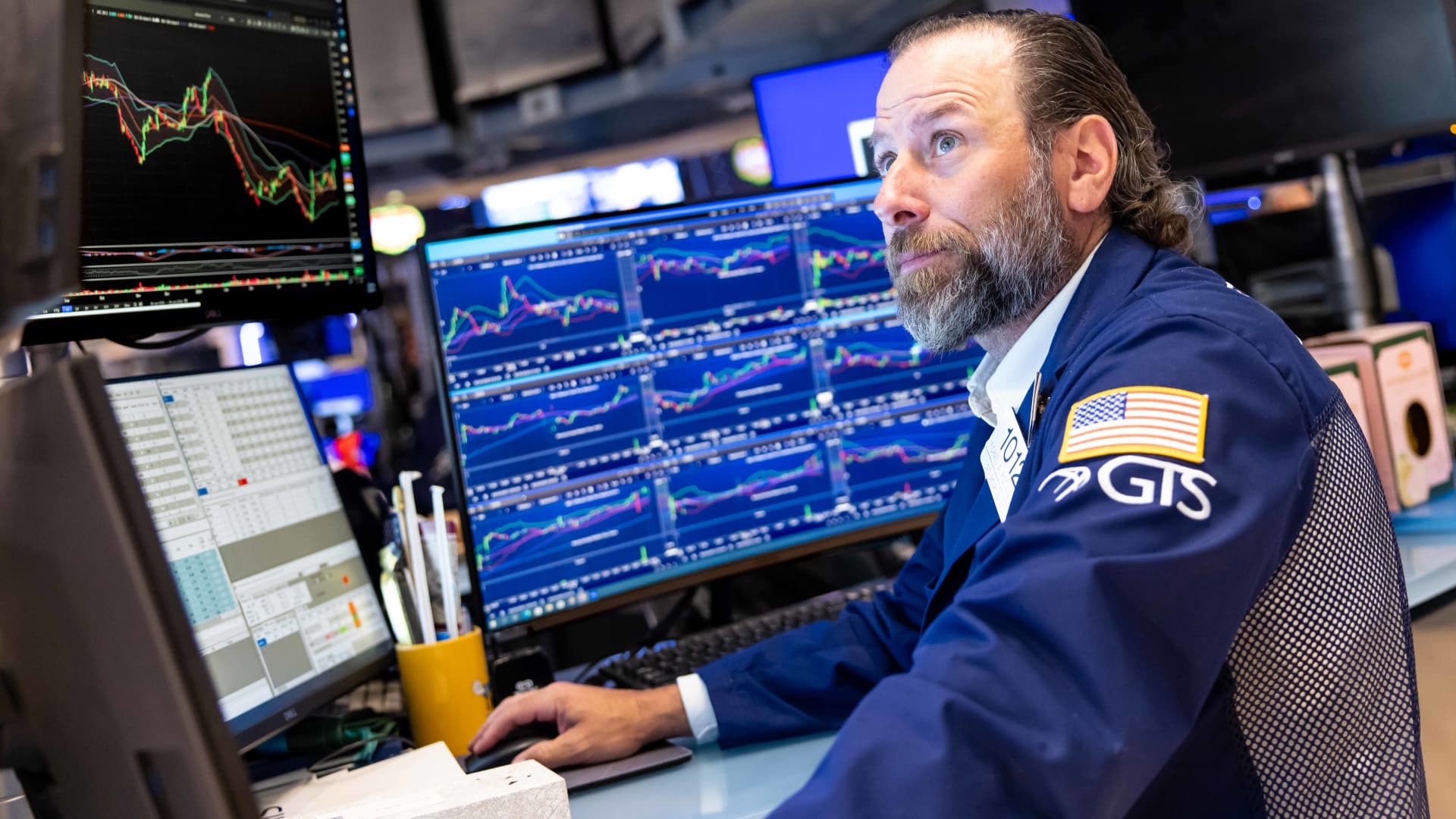
US equity markets posted modest gains on July 10-13, with the S&P 500 and Nasdaq climbing on strong AI sector performance and positive corporate earnings reports. The rally comes as investors navigate competing signals from the Federal Reserve about potential rate hikes later in 2026.
Market Momentum
US stock indices closed higher on Friday ahead of the earnings season, with SK Hynix surging in its market debut. The S&P 500 gained 0.4%, the Nasdaq 100 advanced 0.3%, and the Dow added 150 points. SK Hynix American depositary receipts jumped 12.8% above their offering price after raising $26.5 billion in the largest-ever US listing by a foreign company.
Technology and AI Strength
Tech stocks drove the week's outperformance. In tech services, Meta jumped 6% after research firm SemiAnalysis published a positive report on its AI compute business. Nvidia supported the S&P 500's move higher, rising around 4%. Meta Platforms was another bright spot in tech, as the stock jumped about 6%. With a nearly 15% gain this week, it saw its best weekly performance since early 2024.
Fed Policy Uncertainty
Market movement reflects investor recalibration around monetary policy. Treasury market volatility is likely to increase as the Federal Reserve becomes more reactive to incoming economic data. Investors expect higher volatility at the front end, although the process is likely to be gradual. Recent funding-market episodes suggest the Fed remains sensitive to market functioning and may respond if pressures become more pronounced.
Earnings and Forward Guidance
AI investment is expected to drive roughly 40% of S&P 500 earnings growth this year, with the largest cloud computing companies planning to spend an estimated $670 billion in 2026. This concentration has created both opportunity and risk, as the market remains heavily dependent on a narrow group of mega-cap AI beneficiaries for performance gains.