
U.S. Public Deeply Pessimistic on Economy Despite Stock Market Boom and Inflation Easing
A new CNBC All-America Economic Survey reveals 61% of Americans are pessimistic about the economy, the highest share since December 2023, despite a surging stock market and cooling inflation—reflecting persistent anxiety about cost-of-living pressures.
What Happened
Despite a booming stock market and improving inflation numbers, the public is as depressed about the economy as it has been since the years just after the pandemic and increasingly concerned about the cost of everyday goods, with 61% of the public pessimistic about the current state of the economy and about the outlook for the future. This is the highest percentage since December 2023, when the country was just emerging from the pandemic-era inflation, with only 25% optimistic about the economy now and for the future.
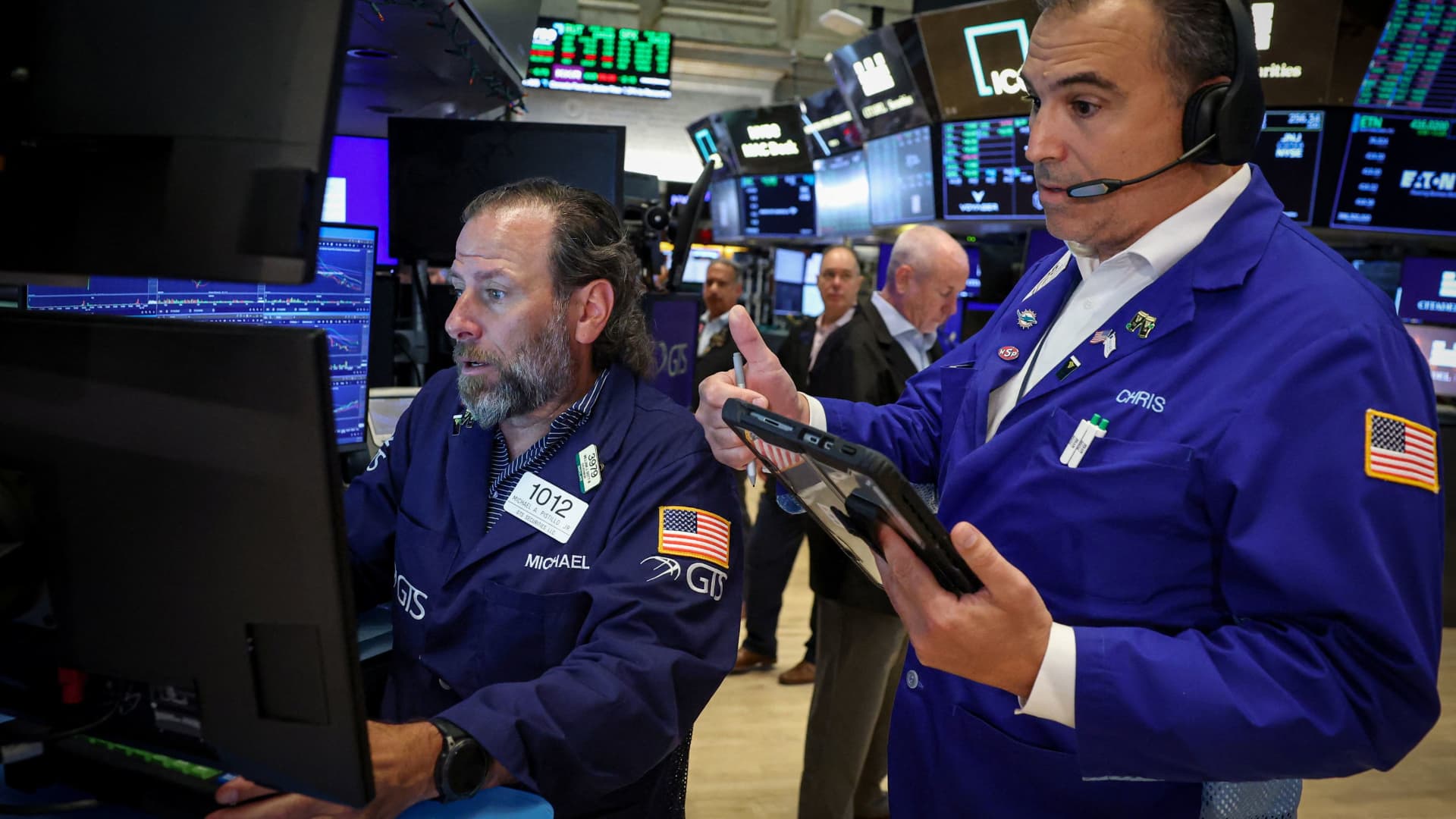
The survey of 1,000 adults nationwide reveals a striking disconnect: financial markets have surged to record levels, yet Main Street sentiment has collapsed to levels not seen since the immediate post-pandemic recovery.
Why It Matters
Consumer sentiment is a leading indicator of future economic activity. When households feel pessimistic about their financial futures, they tend to curtail discretionary spending, defer major purchases, and reduce investment in education or small businesses. This behavioral shift can become self-fulfilling, slowing economic growth regardless of stock market performance or official inflation metrics.
The Sentiment-Reality Gap
The result: continued deeply negative approval numbers for President Donald Trump yet only a modest advantage for Democrats when it comes to the public's preference for control of Congress. The pessimism reflects real household budget pressures. Despite recent inflation moderation, Americans have absorbed years of elevated prices that have eroded purchasing power. Rising housing costs, healthcare expenses, and the broader cost of living remain acute concerns, particularly for lower and middle-income households.
What to Watch Next
Future consumer spending data, retail sales reports, and housing-related indicators will be critical to assess whether this pessimism translates into reduced demand. A sustained pullback in consumer activity could pressure corporate earnings and growth forecasts, challenging the current stock market rally. Policymakers will need to address these sentiment dynamics as they calibrate monetary policy, since consumer confidence ultimately drives the majority of U.S. economic activity.