
US Wholesale Inflation Slows More Than Expected in July
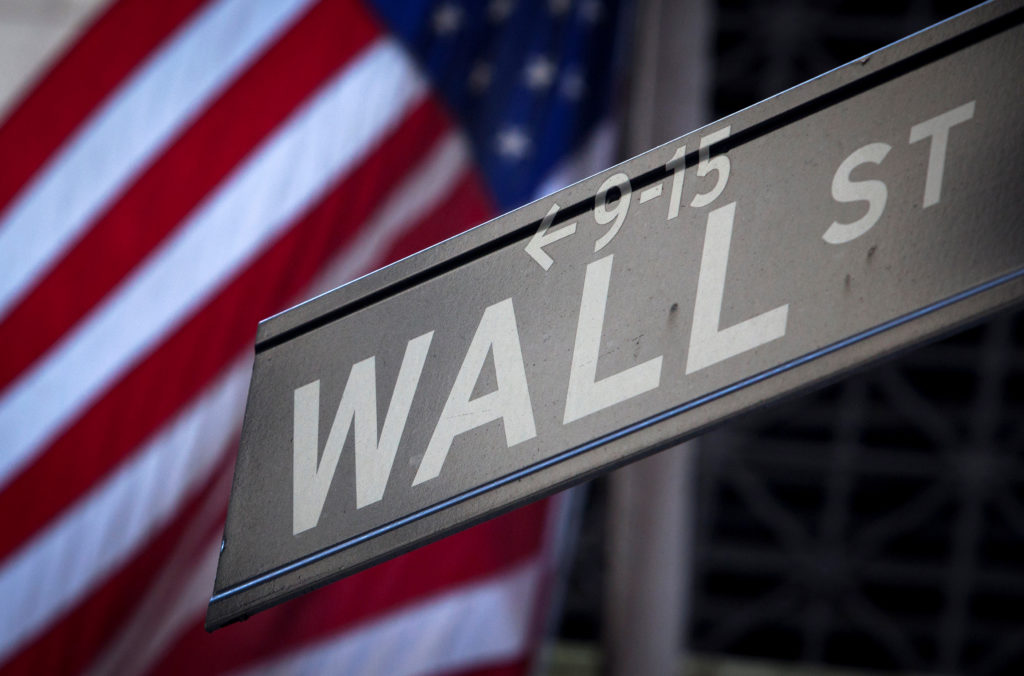
US wholesale inflation unexpectedly slowed in July as gas prices reversed earlier spikes and other costs cooled, signaling consumer inflation could decline in coming months.
Latest Inflation Data Shows Signs of Moderation
Wholesale inflation dropped last month as gas prices reversed some of their Iran war spike and other costs also cooled, a sign that consumer inflation could grind lower in the months ahead. This development provides some relief to both consumers and policymakers concerned about persistent price pressures throughout the year.
Consumer Price Index Remains Elevated
The consumer price index rose 0.1% in July, putting the annual rate at 3.4% — matching consensus Dow Jones estimates. Core CPI, which strips out food and energy, increased 0.2% on a monthly basis, while the annual rate came in at 2.5%. While these figures remain above the Federal Reserve's preferred 2% target, the wholesale data suggests momentum may be shifting.
Market Reaction and Economic Implications
The S&P 500 rose to a fresh all-time intraday high on Thursday as oil prices declined and traders digested more inflation data. The broad market index added 0.65% and surpassed 7,800 for the first time ever. The S&P 500 notched a closing record of 7,798.99. Lower oil prices have been instrumental in easing inflation pressures across the economy.
Outlook for Monetary Policy
US stocks ticked up Friday after the report and Treasury yields fell as the odds for a Fed rate hike at the September meeting fell to 40%, down from 55% one day ago, according to CME FedWatch. The softer inflation readings have reduced expectations for aggressive Fed action, offering some stability for borrowers and investors alike.