
Producer Price Index Flat in July as Inflation Pressures Ease, Boosting Stock Market
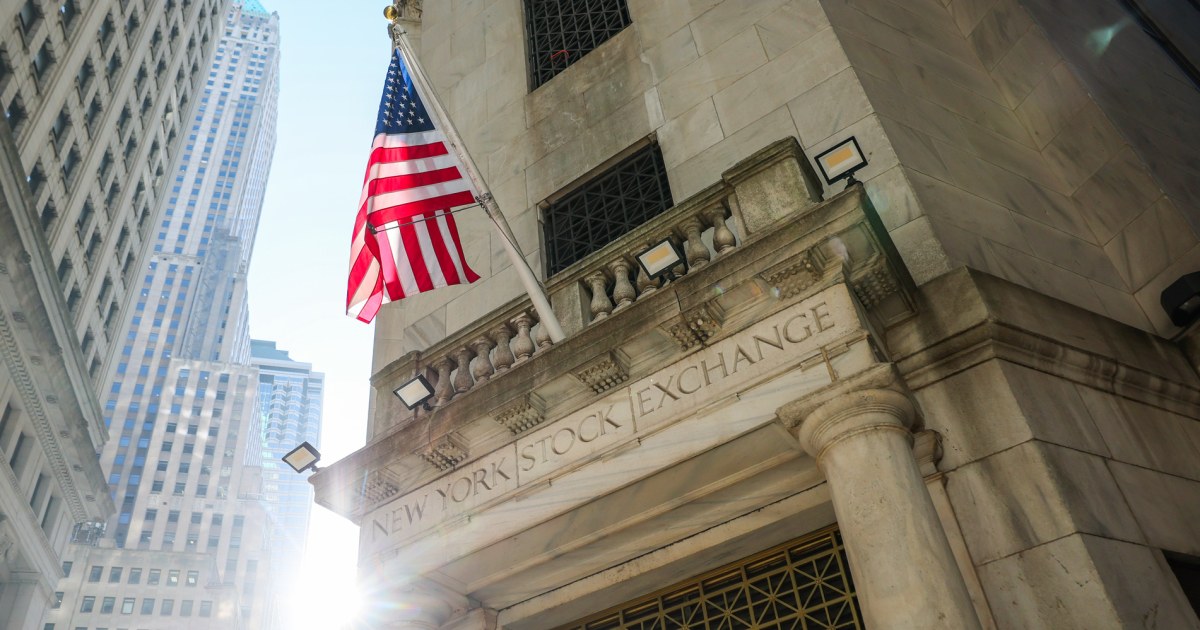
The producer price index showed no change from June to July, falling to 4.7% annually and signaling that business inflation is cooling. This report sparked optimism that the Federal Reserve may hold off on raising interest rates this year, sending the S&P 500 to record highs.
What Happened
The Bureau of Labor Statistics reported that the producer price index was unchanged from June to July, while falling from 5.5% in June to 4.7% in July on an annual basis. The report was released Thursday, August 14, 2026, providing fresh evidence of moderating inflation pressures across the economy.
Market Response and Fed Implications
The S&P 500 and Russell 2000 stock indexes closed at record highs as concerns about a Fed rate hike eased, with stocks rising and bond yields falling Thursday after the fresh read on business inflation showed prices were broadly flat in July. The report fueled optimism on Wall Street that the Federal Reserve may hold off on raising rates this year, after all, even as inflation remains stubborn.
Economic Context
"While energy prices remain elevated relative to pre-shock levels and continue to influence inflation expectations, the June and July PPI reports provide the first evidence that those pressures may be beginning to ease," PNC Financial Services Group senior economist Kurt Rankin wrote in a note. This cooling in producer prices comes alongside other economic headwinds: the U.S. economy lost 23,000 jobs in July, when economists had predicted modest growth, and revised numbers for May and June also show 103,000 fewer jobs created than originally reported.
What's Next
The Iran war drove up gasoline prices and catapulted inflation to a three-year high in May. A preliminary peace agreement in June offered up some relief, but a burst of on-again, off-again fighting over ensuing weeks caused crude prices to climb. The extent to which energy prices stabilize will be critical to Fed policy decisions in the coming weeks, particularly as policymakers weigh persistent inflation against signs of labor market weakness.