
U.S. Restores Naval Blockade on Iran as Strait of Hormuz Crisis Escalates
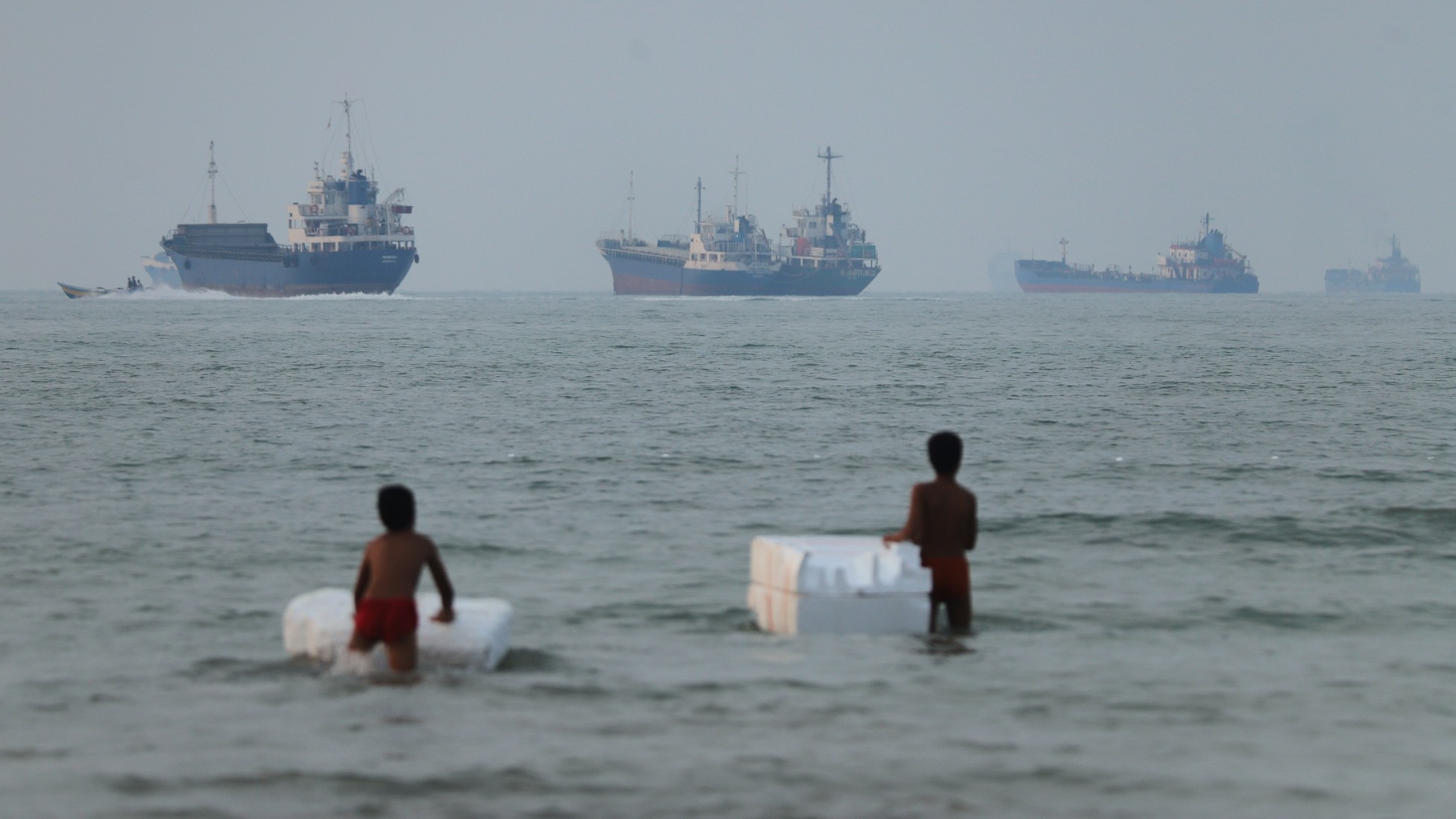
The U.S. military has reinstituted its blockade of Iranian ports after Iran attacked commercial ships in the Strait of Hormuz, collapsing an interim ceasefire deal and threatening a return to all-out war in the region.
Military Blockade Reestablished
The U.S. military said Tuesday that it has reimposed its blockade of Iranian ports in response to Iran's attacks on commercial ships in the Strait of Hormuz, as the interim ceasefire deal unravels and concerns grow about a return to all-out war. U.S. forces resumed the naval blockade against vessels transiting to and from Iranian ports and coastal areas at 4 p.m.
The U.S. first imposed the blockade in mid-April and then lifted it in mid-June, a day after the signing of the interim deal aimed at permanently ending the war. The collapse represents a major setback to Trump administration efforts to broker lasting peace in the region.
Critical Disagreement Over Strait Control
The flare-up stems from differing readings of the memorandum. Iran has argued that the memorandum provides it with authority over the Strait of Hormuz, while the U.S. says nobody can officially control the waterway. The deadlock over the waterway, through which roughly 20% of the world's energy supplies typically move, has disrupted global trade and increased fuel prices around the world.
Trump Reverses Course on Shipping Fees
President Trump on Tuesday said the United States would not impose fees on ships in exchange for helping them transit the Strait of Hormuz safely, reversing course a day after the surprise announcement that there would be a 20% cargo charge. Based on highly productive conversations with Middle East leadership, Trump decided to replace the 20% United States Reimbursement Fee with Trade and Investment Deals that the various Gulf States will be making into the United States.
Shipping Traffic at Critical Levels
Just 22 ships crossed the strait on July 9 — compared to 147 crossings the day before the war began in February, according to Kpler, a firm that tracks global commodities and shipping. The dramatic reduction underscores the severe disruption to global maritime commerce caused by the escalating conflict.