
Trump Reverses 20% Strait of Hormuz Toll, Replaces with Gulf State Investment Deals
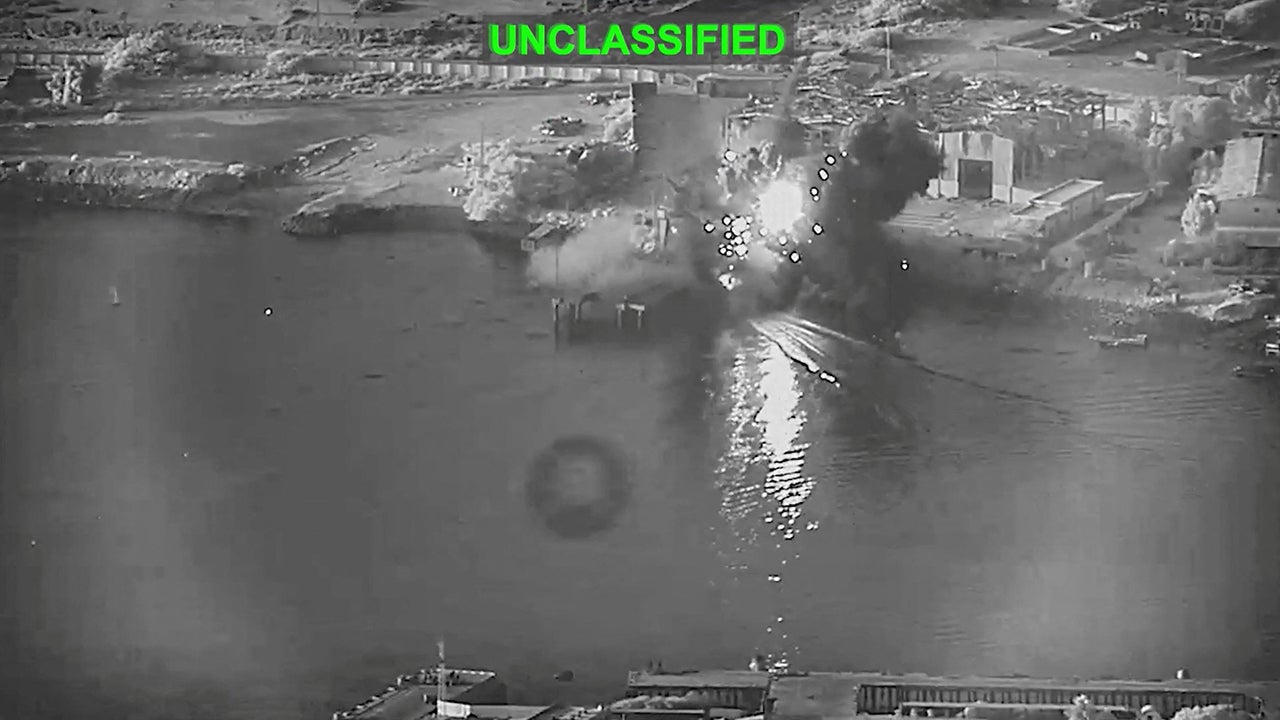
President Trump changed his mind about charging a 20% fee on cargo through the Strait of Hormuz, deciding instead that Gulf States will make trade and investment deals with the US. A US naval blockade of Iranian ports is set to resume on Tuesday afternoon as military strikes continue in the region.
Trump's Policy Reversal
US President Donald Trump has reversed course on charging a 20% fee on ships moving through the Strait of Hormuz, saying he will not impose a 20% reimbursement fee on cargo moving through the waterway, and instead it will be replaced by Gulf state investments in the US.
Military Blockade Resumption
US Central Command says it will restart its naval blockade starting at 4 p.m. ET today. At President Donald Trump's direction, CENTCOM will "resume blockading maritime traffic entering and exiting Iranian ports" later this afternoon. The Navy said the blockade "encompasses the entirety of the Iranian coastline to include but not limited to Iranian ports and oil terminals," and applies to all vessel traffic, regardless of flag.
Ongoing Military Tensions
Explosions in an Iranian port city were reported earlier by Iranian state media. Iran targeted US regional allies and two UAE tankers in the strait after another night of strikes by the US military. Trump saluted Secretary of War Pete Hegseth, Chairman of the Joint Chiefs of Staff Dan Caine, and Commander of CENTCOM Admiral Brad Cooper, noting that because of them the Strait of Hormuz is open to all ship traffic except for Iran.
International Concern
Reports on the closure of the Strait of Hormuz "are very alarming" due to the potential "impact on human rights far beyond the region," as disruptions to the flow of food, medicines, and other necessary commodities have severe socio-economic and humanitarian consequences. A senior Gulf source told Axios the U.S. hasn't discussed the issue of possible tolls for securing the Strait of Hormuz with its allies in the region.