
Trump Threatens 'Massive Attack' as US-Iran War Enters Fifth Month With Escalating Strikes
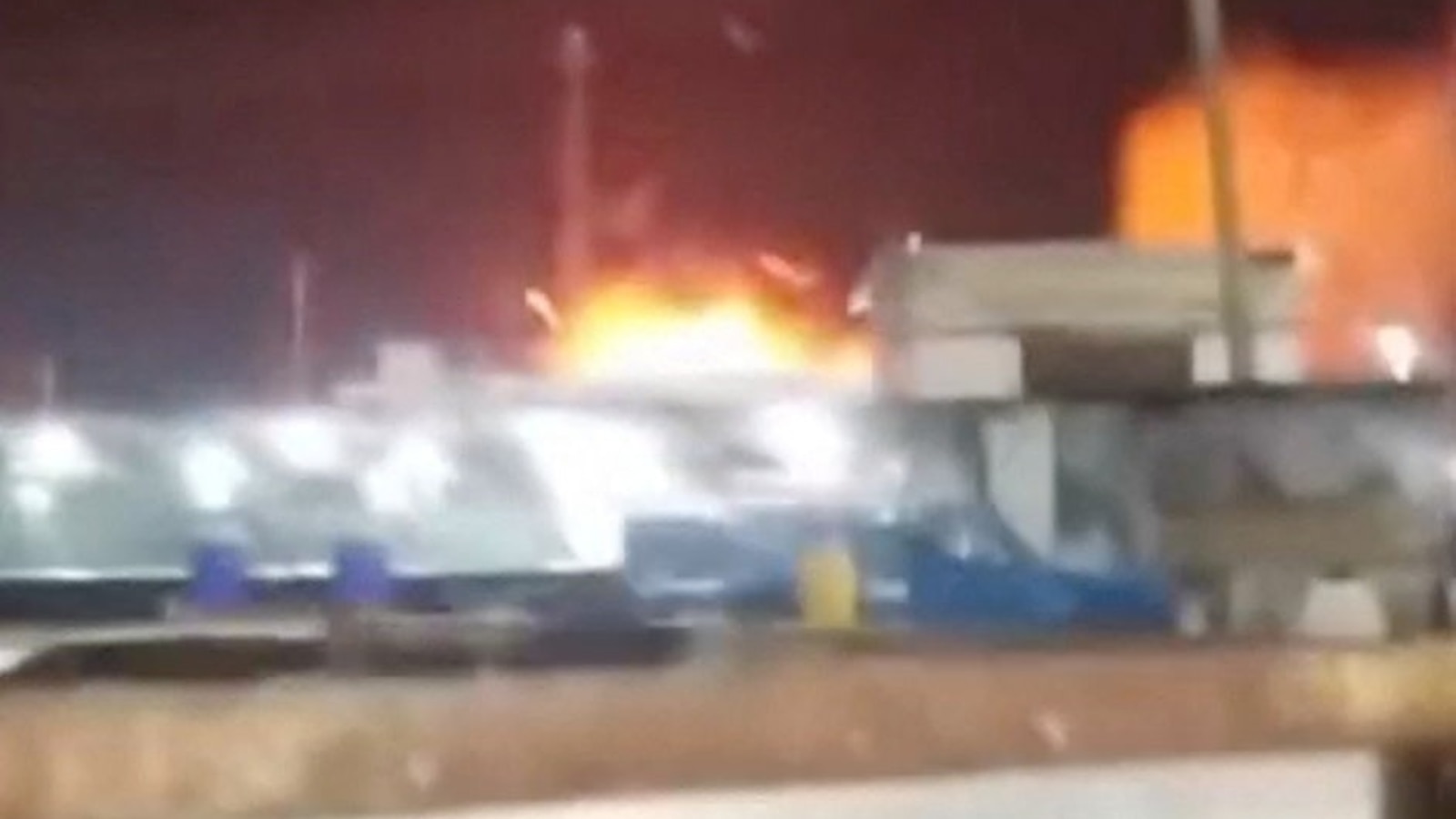
The US and Iran are locked in an intensifying cycle of military strikes as their five-month conflict continues. President Trump warned he's considering a major escalation, while Iran retaliated with drone strikes against US targets in the Gulf region, pushing oil prices above $100 per barrel.
Escalating Military Operations
The U.S. continued airstrikes in Iran while Tehran launched retaliatory attacks on U.S. targets in the Gulf, as President Trump said he was close to deciding whether to launch "a massive attack." Iran's army said it carried out drone strikes against several U.S. military facilities and bases in Bahrain and Jordan in retaliation for the latest U.S. attacks against Iran. The U.S. military completed its latest round of strikes on Iran overnight, marking a 13th consecutive night of attacks, according to U.S. Central Command.
Trump's Hardening Stance
President Donald Trump has increasingly flashed frustration with the war in Iran, as the conflict that his team once predicted would end in a matter of weeks stretches into its fifth month and fighting intensifies. Trump signaled he is "close to making a decision" on whether to launch a major offensive, indicating no imminent ceasefire. President Donald Trump announced "major combat operations" against Iran on Feb. 28, with massive joint U.S.-Israeli strikes targeting military, government and infrastructure sites. Delegations from the U.S. and Iran entered negotiations in June aimed at a war-ending deal based on a memorandum of understanding signed by both countries.
Economic and Strategic Impact
Oil surged to $100 per barrel after Iran-backed Houthi rebels attacked two Saudi tankers in the Red Sea. The conflict has disrupted shipping in the strategically critical Strait of Hormuz, with just nine vessels passed through in the past 24 hours, according to MarineTraffic data. The war's seemingly intractable new chapter has unleashed fresh economic turmoil and driven up energy prices, which threatens to further imperil Republicans' already dim prospects in the November midterm elections.
Regional Instability
Yemen's Iran-backed Houthis claimed to have struck two Saudi oil tankers in the Red Sea early Thursday local time following their announcement of a naval blockade on Saudi ships. Several blasts sounded on July 24 near Erbil airport, which hosts US-led coalition troops in Iraq's autonomous Kurdistan region. Iran did not issue claims of responsibility for the strikes in the Iraqi Kurdish region where the U.S. has a military presence. The conflict continues to widen beyond direct US-Iran confrontation, pulling in regional proxies and threatening global energy supplies.