
U.S. Escalates Iran Campaign with B-1 Bomber Strikes as Oil Prices Surge
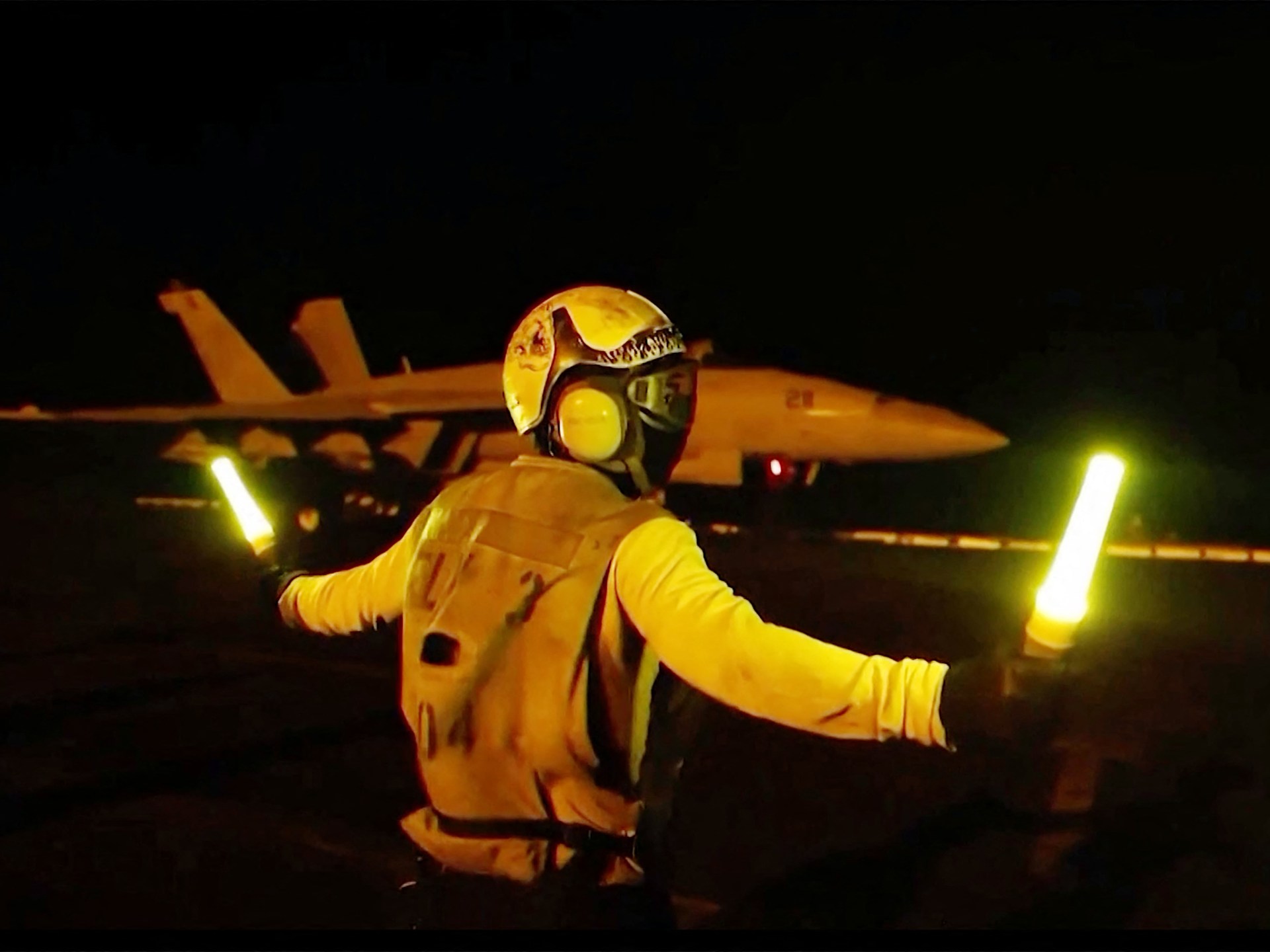
The U.S. military used B-1 long-range bombers to strike Iranian Revolutionary Guard Corps targets on Tuesday, marking the first B-1 missions since fighting resumed and signaling significant military escalation. Oil prices surged to $97 per barrel as the 12-day campaign intensified with Iranian tanker incidents in the Strait of Hormuz.
Latest Escalation in U.S.-Iran Conflict
The U.S. military used a B-1 long-range bomber on Tuesday to strike IRGC targets in Iran, the first time that the United States conducted a B-1 mission since fighting with Iran resumed. B-1 bombers can carry two dozen 2,000-lb bombs or dozens of cruise missiles, signalling an escalation and expansion of the U.S. military campaign.
Global Economic Impact
Oil prices reached $97 a barrel, with Brent crude gaining about $13 over the past week as fighting has intensified. The United States continued to hit Iran for a 12th consecutive night early on Thursday, and Iran retaliated, striking targets across the Gulf, particularly in Kuwait and Jordan.
Tanker Incidents and Iranian Retaliation
Iran's Islamic Revolutionary Guard Corps (IRGC) said on Thursday that an explosion set a tanker ablaze in the Strait of Hormuz after it attempted to navigate the southern route off the coast of Oman. Iranian drone attacks on CIA facilities in the Gulf have prompted U.S. intelligence analysts to investigate whether Russia assisted by providing targeting information or advanced drone technology.
Evidence of Iranian Precision
A New York Times visual analysis found that Iranian strikes in the last two weeks have caused damage to living quarters and working areas, drone shelters, radar systems, and other structures, showing that Iran maintains the ability to inflict damage on precise targets despite the Trump administration's repeated claims that Iran's military capabilities have been diminished.