
Silica Nanoparticles Trigger Complete Remission of Aggressive Prostate Cancer in Mouse Studies
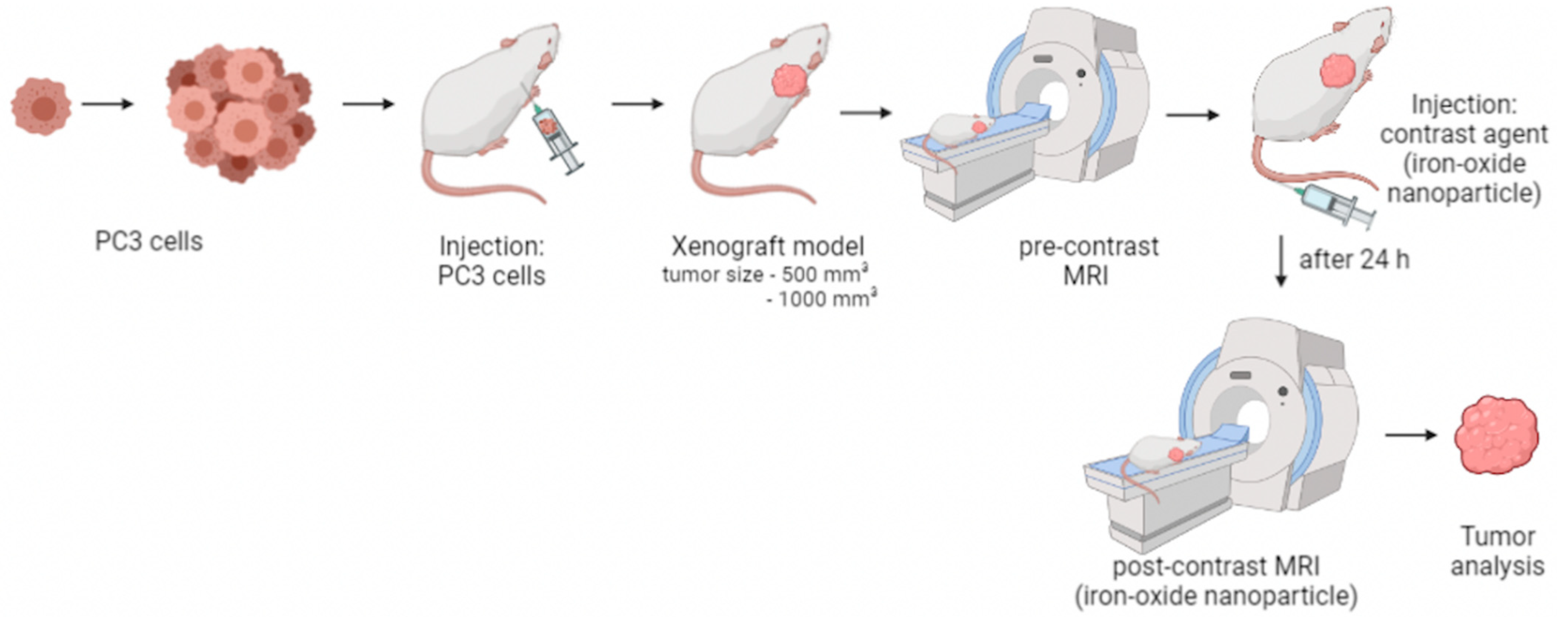
Tiny silica nanoparticles engineered to target prostate cancer cells caused tumors to self-destruct and boosted immune response in preclinical mouse studies. When combined with immunotherapy, the treatment produced complete remissions, offering a potential new avenue for advanced prostate cancer treatment.
Nano-Scale Breakthrough in Cancer Immunotherapy
Tiny silica nanoparticles engineered to seek out prostate cancer caused tumor cells to self-destruct and supercharged the immune system in preclinical mouse studies. Combined with immunotherapy, the treatment produced complete remissions in multiple studies. This dual mechanism—direct tumor destruction coupled with immune activation—represents a promising departure from single-pathway approaches.
How the Nanoparticles Work
The engineered silica particles are functionalized to penetrate prostate cancer cells specifically, where they trigger apoptosis (programmed cell death). Simultaneously, the nanoparticles activate dendritic cells and other immune sentries, amplifying the body's own anti-tumor defenses. When paired with checkpoint inhibitors that remove immune "brakes," the synergistic effect produced remarkable tumor clearance in the preclinical model.
Path Toward Human Translation
While these results come from mouse xenograft and syngeneic tumor models—not yet from human patients—the complete remission outcome and multi-mechanism action merit accelerated development. Researchers are now preparing toxicology and biodistribution studies needed to support an investigational new drug (IND) application for human trials.
Significance for Advanced Prostate Cancer
Prostate cancer remains a leading cause of cancer death in men, particularly when detected at advanced stages. Existing immunotherapy responses are inconsistent; nanoparticle-based approaches that amplify both direct cell death and immune activation could expand treatment options for men with aggressive or therapy-resistant disease.