
FDA-Approved Drug Breaks Through Immunotherapy Resistance in Rare Liver Cancer
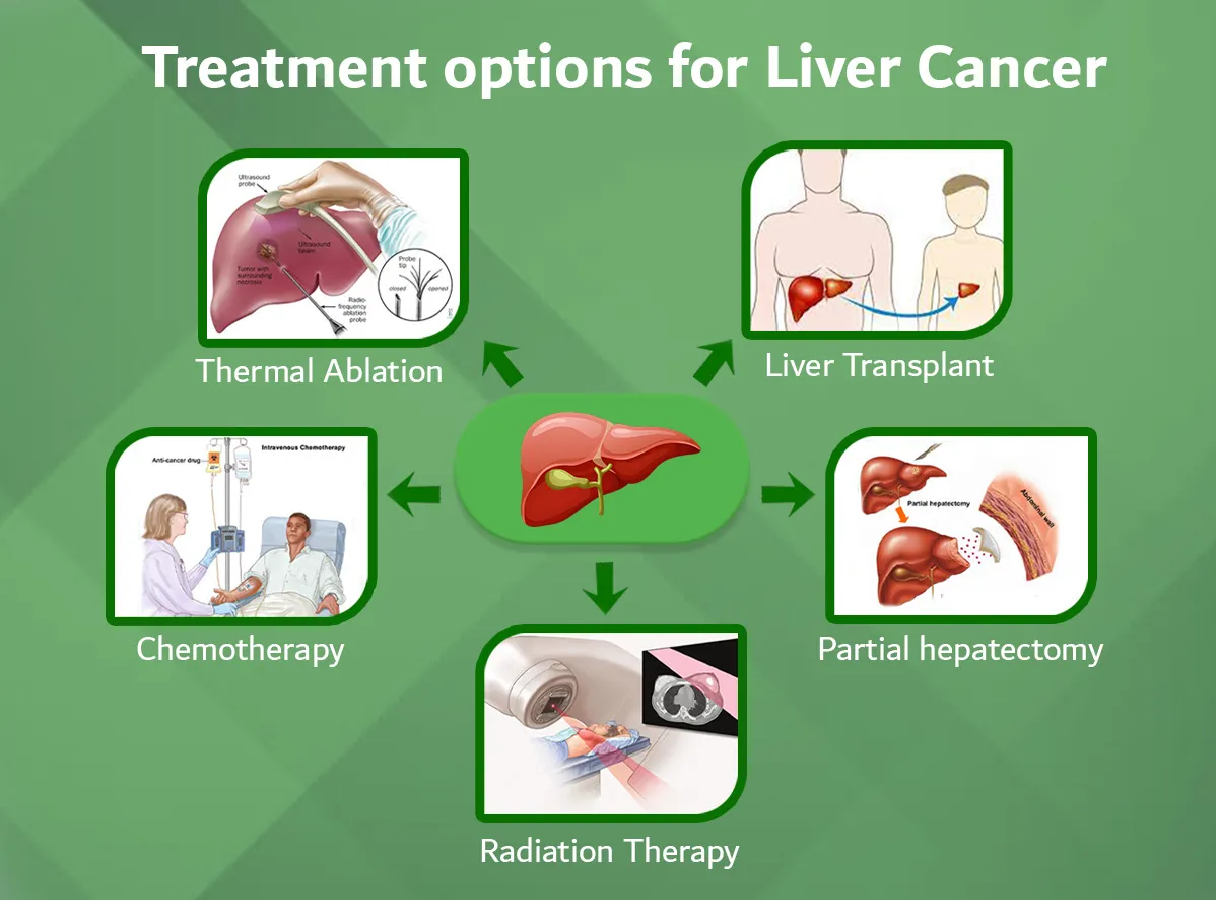
Researchers found that AMD3100, an FDA-approved drug, can free immune T cells trapped by rare liver cancer, allowing them to attack tumors. The discovery marks a potential breakthrough in overcoming immunotherapy resistance in hepatocellular carcinoma.
The Immunotherapy Challenge
Researchers found that a rare liver cancer evades immunotherapy by luring immune T cells away from the tumor and trapping them in nearby fibrous tissue. An FDA-approved drug called AMD3100 freed those T cells to attack the cancer, significantly improving treatment outcomes in preliminary findings.
Mechanism of Action
The breakthrough reveals a previously understood evasion strategy employed by hepatocellular carcinoma. Rather than directly destroying immune cells, the tumor creates a protective barrier that physically isolates T cells in surrounding fibrous tissue, rendering them ineffective against cancer cells. AMD3100, already approved for other clinical uses, proves capable of disrupting this sequestration mechanism.
Clinical Potential
This finding represents a significant advance because it identifies a repurposable drug that can restore immunotherapy efficacy against a particularly aggressive form of cancer. By combining AMD3100 with existing immunotherapy approaches, researchers believe they can overcome one of the major obstacles limiting cancer treatment success.
Next Steps
The discovery opens pathways for expanded clinical trials and potential combination therapy protocols. Researchers are investigating whether this same mechanism could apply to other cancers that employ similar immune-evasion strategies. The use of an already-approved pharmaceutical significantly accelerates the timeline for bringing this therapeutic approach to patients, potentially offering hope to those with previously treatment-resistant forms of liver cancer.