
Scientists in Japan Develop Vitamin K-Based Compounds That Regenerate Brain Neurons
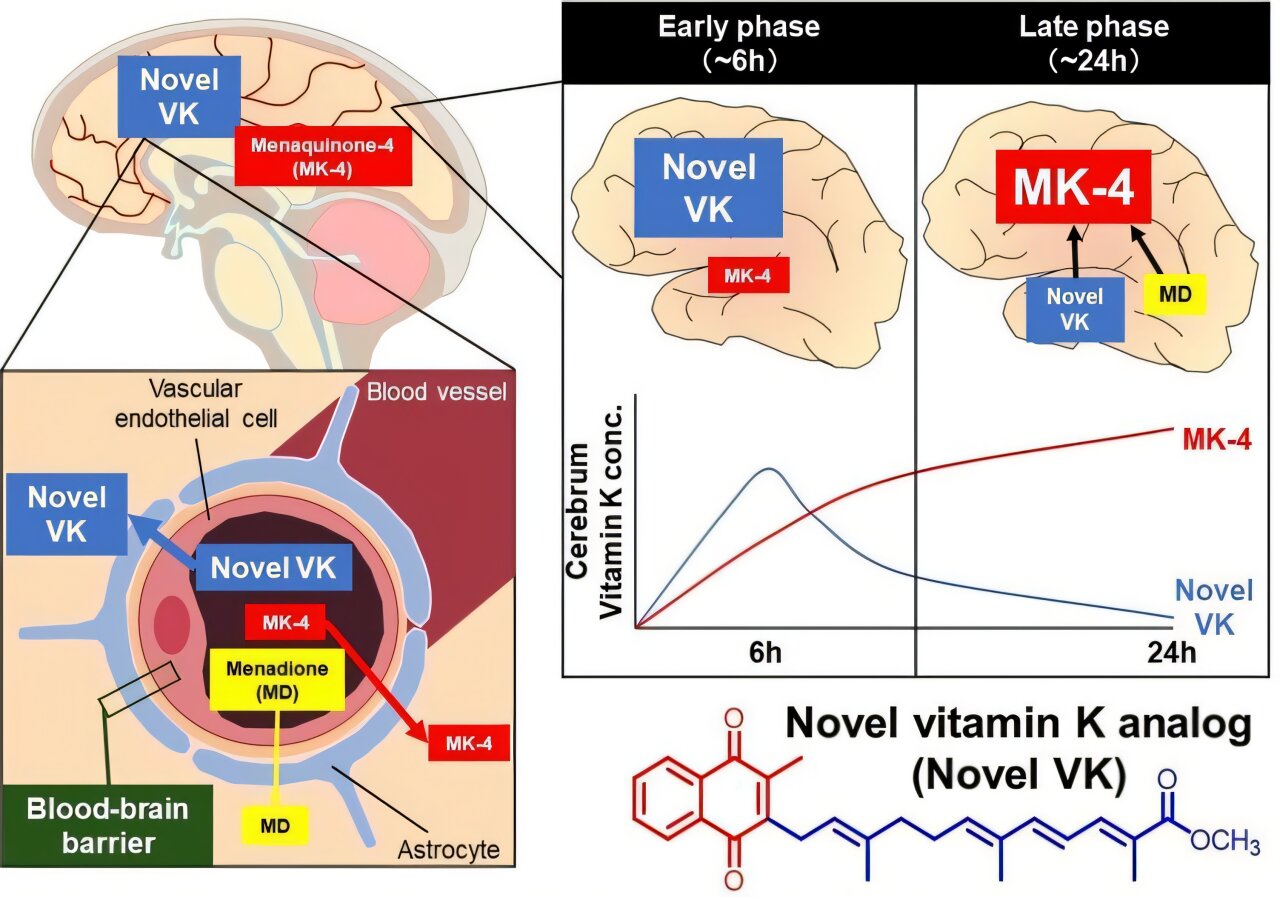
Researchers in Japan have created new vitamin K compounds that show promise in helping the brain regenerate lost neurons, potentially opening new pathways for treating Alzheimer's and Parkinson's diseases. The breakthrough combines vitamin K with components related to vitamin A to achieve unprecedented effectiveness.
Breakthrough Discovery
Scientists in Japan have created powerful new vitamin K-based compounds that may help the brain regenerate lost neurons—a breakthrough that could one day change how diseases like Alzheimer's and Parkinson's are treated. By combining vitamin K with components related to vitamin A, the researchers developed compounds that were about three times more effective at turning neural stem cells.
Why This Matters
Neurodegenerative diseases like Alzheimer's and Parkinson's are characterized by progressive loss of brain cells, leading to cognitive decline and movement disorders. Current treatments can only slow progression; none can restore lost neuronal function. A therapy that promotes brain regeneration could transform treatment outcomes for millions of patients worldwide.
Related Research Momentum
Researchers at Texas A&M have developed a nasal spray that appears to reverse brain aging by calming inflammation and restoring the brain's energy systems, and after just two doses, memory and cognitive function improved for months. Additionally, USC researchers have identified potential new drug compounds that may reduce the brain inflammation linked to Alzheimer's disease.
Path Forward
These convergent findings—from Japan, Texas A&M, and USC—suggest a multi-pronged approach to neurological regeneration emerging across research institutions. The vitamin K compounds are still in early-stage research, but combined with complementary therapies targeting inflammation and brain energy metabolism, they represent a promising direction for neurodegenerative disease treatment.