
Japanese Scientists Develop Vitamin K Compounds That May Regenerate Lost Brain Neurons, Offering Hope for Alzheimer's and Parkinson's
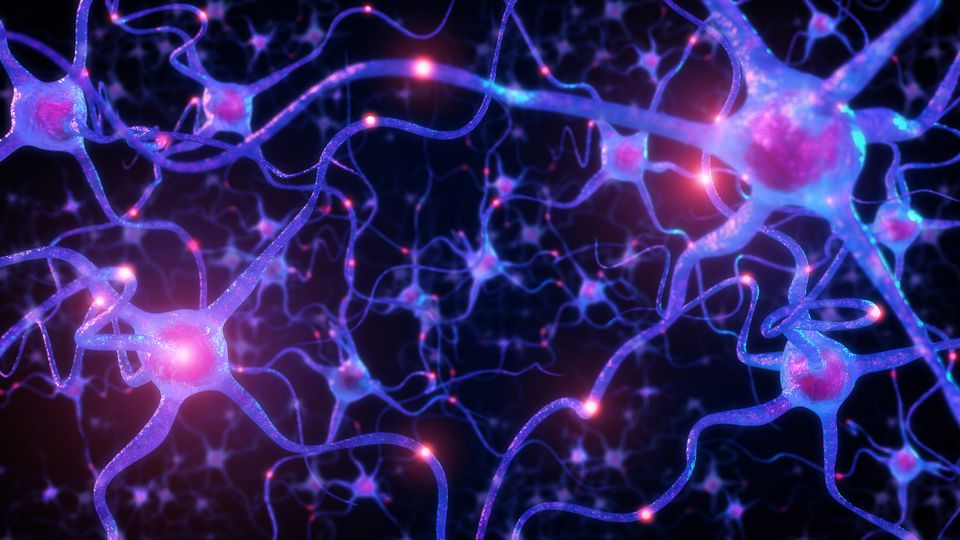
Scientists in Japan have created potent vitamin K-based compounds that demonstrate the ability to help the brain regenerate lost neurons, potentially transforming treatment approaches for Alzheimer's disease and Parkinson's disease. The new compounds show approximately three times greater effectiveness at converting neural stem cells compared to existing methods.
Breakthrough in Neuronal Regeneration
Scientists in Japan have created powerful new vitamin K-based compounds that may help the brain regenerate lost neurons — a breakthrough that could one day change how diseases like Alzheimer's and Parkinson's are treated. By combining vitamin K with components related to vitamin A, the researchers developed compounds that were about three times more effective at turning neural stem cells. This substantial improvement in efficacy marks a significant advancement in regenerative neuroscience.
Addressing Major Neurodegenerative Diseases
Alzheimer's disease and Parkinson's disease represent two of the most prevalent and devastating neurodegenerative disorders globally, characterized by progressive loss of neurons and cognitive or motor function. The inability to regenerate lost neurons has long been a fundamental barrier to effective treatment. These new compounds represent a potential breakthrough in reversing that limitation. The research builds on longstanding efforts to harness the regenerative potential of neural stem cells as a therapeutic strategy.
Mechanism and Future Development
The compounds combine vitamin K—a known cofactor in multiple biological processes—with vitamin A derivatives to create a synergistic effect that dramatically enhances neural differentiation. The threefold improvement in neural stem cell conversion efficiency suggests these compounds could form the basis for future therapeutic approaches. Further research will be needed to translate these laboratory findings into clinical treatments for human patients, including safety evaluation, dosage optimization, and efficacy trials.
Broader Context in Neurodegenerative Research
This Japanese achievement joins a growing body of recent research aimed at combating neurodegenerative diseases. Multiple teams worldwide are exploring complementary approaches—from nasal sprays targeting brain inflammation to therapies addressing underlying molecular triggers of neurodegeneration. These parallel efforts reflect the scientific community's intensifying focus on finding disease-modifying treatments for conditions that have historically offered only symptomatic relief.