
Scientists Discover Two Distinct Biological Subtypes of Autism in Landmark Study
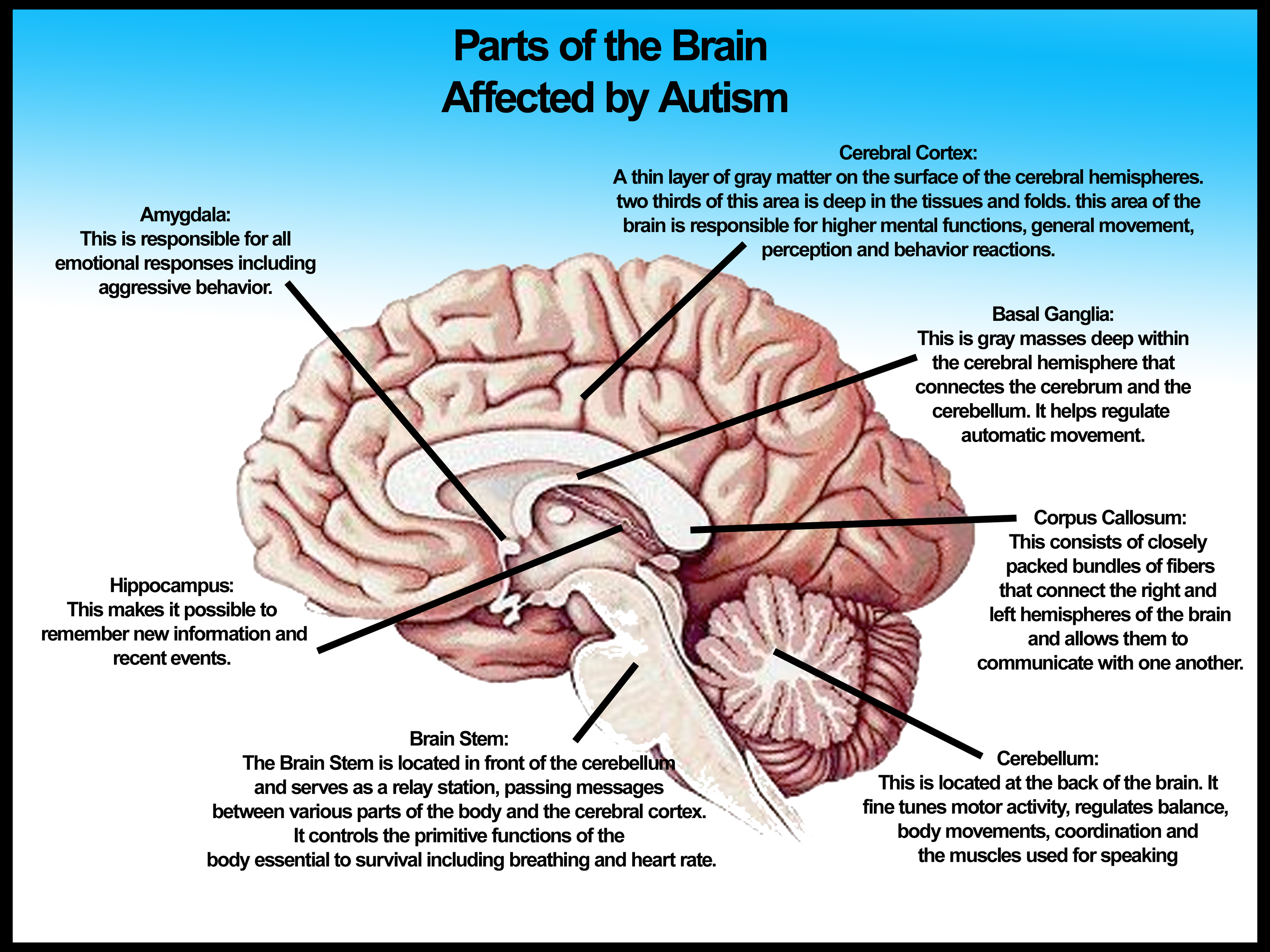
Researchers analyzed brain scans from nearly 1,000 people with autism and found evidence that autism includes at least two biologically distinct subtypes, each marked by different patterns of brain communication. This discovery could help tailor future treatments to specific autism types.
Groundbreaking Discovery in Autism Research
Scientists have uncovered evidence that autism may include at least two biologically distinct subtypes, each marked by a different pattern of brain communication. By combining brain scans from nearly 1,000 people with autism with insights from multiple participants, researchers identified fundamental neurological differences between autism presentations.
Implications for Personalized Medicine
This finding represents a major shift in understanding autism spectrum disorder. Rather than treating autism as a single condition, clinicians may eventually be able to identify which subtype a patient has and tailor interventions accordingly. The discovery challenges the traditional one-size-fits-all approach to autism diagnosis and treatment that has dominated the field for decades.
Research Methodology and Significance
The study combined cutting-edge neuroimaging technology with large-scale data analysis to identify the distinct brain communication patterns. Scientists examined functional connectivity patterns—the ways different brain regions communicate with each other—and found consistent clustering into at least two major groups. This level of biological precision could enable more targeted therapeutic approaches.
Future Applications
This work opens new avenues for understanding the underlying causes of autism and developing more effective interventions. Future research will likely focus on validating these subtypes in larger populations, understanding the genetic and environmental factors that lead to each subtype, and developing targeted treatments for each group. The discovery emphasizes the importance of individual variation in neurodevelopmental disorders and the potential for precision medicine approaches.