
Researchers Discover NIH Study Shows Why GLP-1 Weight-Loss Drugs Work Differently for Everyone
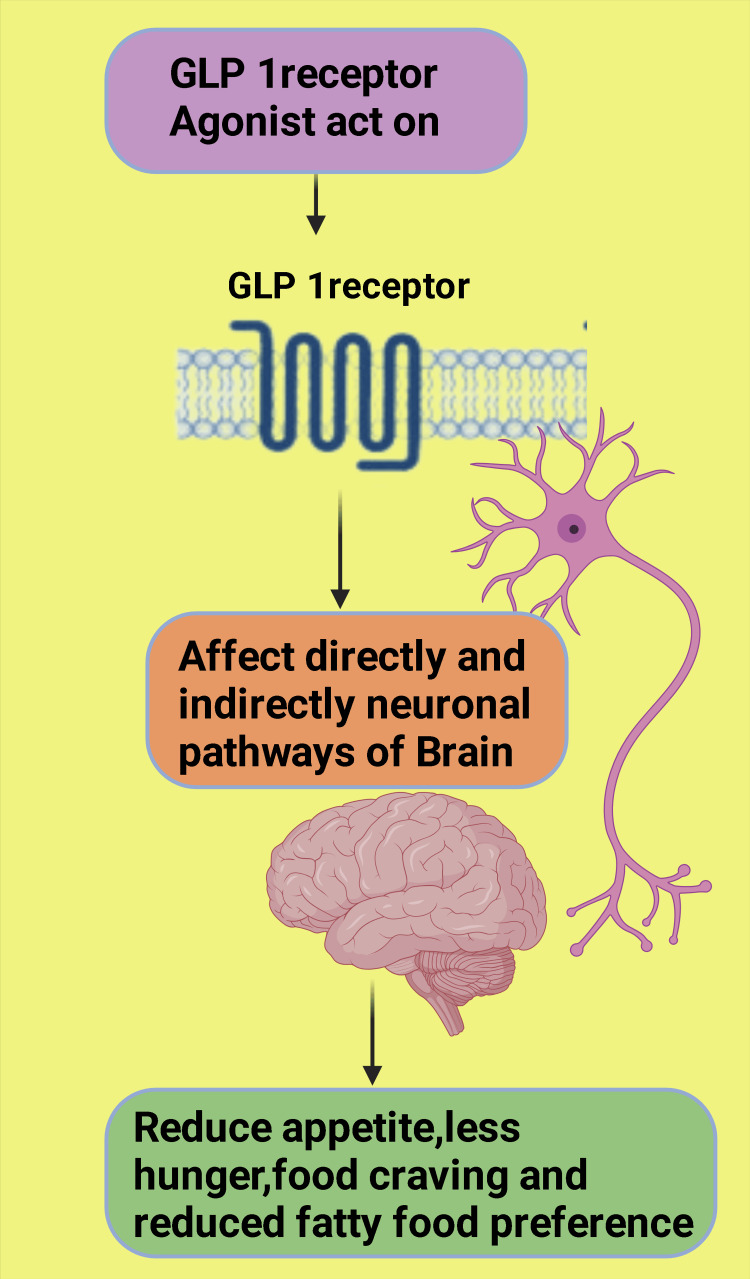
New NIH research reveals that semaglutide (the active ingredient in Ozempic and Wegovy) triggers different responses inside appetite-controlling brain cells, explaining why these popular weight-loss drugs don't work equally for all patients.
The Research Finding
New NIH research reveals that semaglutide sparks different responses inside appetite-controlling brain cells, offering fresh insight into why GLP-1 weight-loss drugs don't work the same for everyone, and scientists also found a possible way to extend benefits. This discovery provides crucial insight into the mechanisms underlying variable treatment responses to one of the most widely prescribed medication classes in medicine.
Why This Matters
GLP-1 receptor agonists like semaglutide (Ozempic, Wegovy) have revolutionized obesity treatment, but individual responses vary dramatically. Some patients lose significant weight and maintain it long-term, while others experience minimal results. Understanding the neurobiological basis for these differences could enable more personalized treatment approaches, allowing clinicians to predict which patients will respond best and adjust dosing or combination therapies accordingly.
Brain Cell Response Mechanisms
The NIH team identified that semaglutide's action on appetite-control brain regions is highly variable among patients, suggesting genetic, metabolic, or structural differences in how individual brains process the drug's signals. This finding aligns with emerging understanding that obesity and weight regulation involve complex interactions between hormone signaling, neural circuits, and individual physiology. The potential extension strategy discovered by researchers could further improve outcomes for non-responders.
Clinical Applications
These findings could lead to biomarker tests that predict drug response before treatment begins, allowing providers to select optimal therapies upfront. The research also suggests that combination approaches targeting multiple appetite-control pathways might enhance efficacy in patients who don't respond adequately to semaglutide monotherapy, potentially transforming how obesity medicine is practiced.