
Netanyahu Heads to Washington for Trump Talks as U.S. Weighs Next Move on Iran
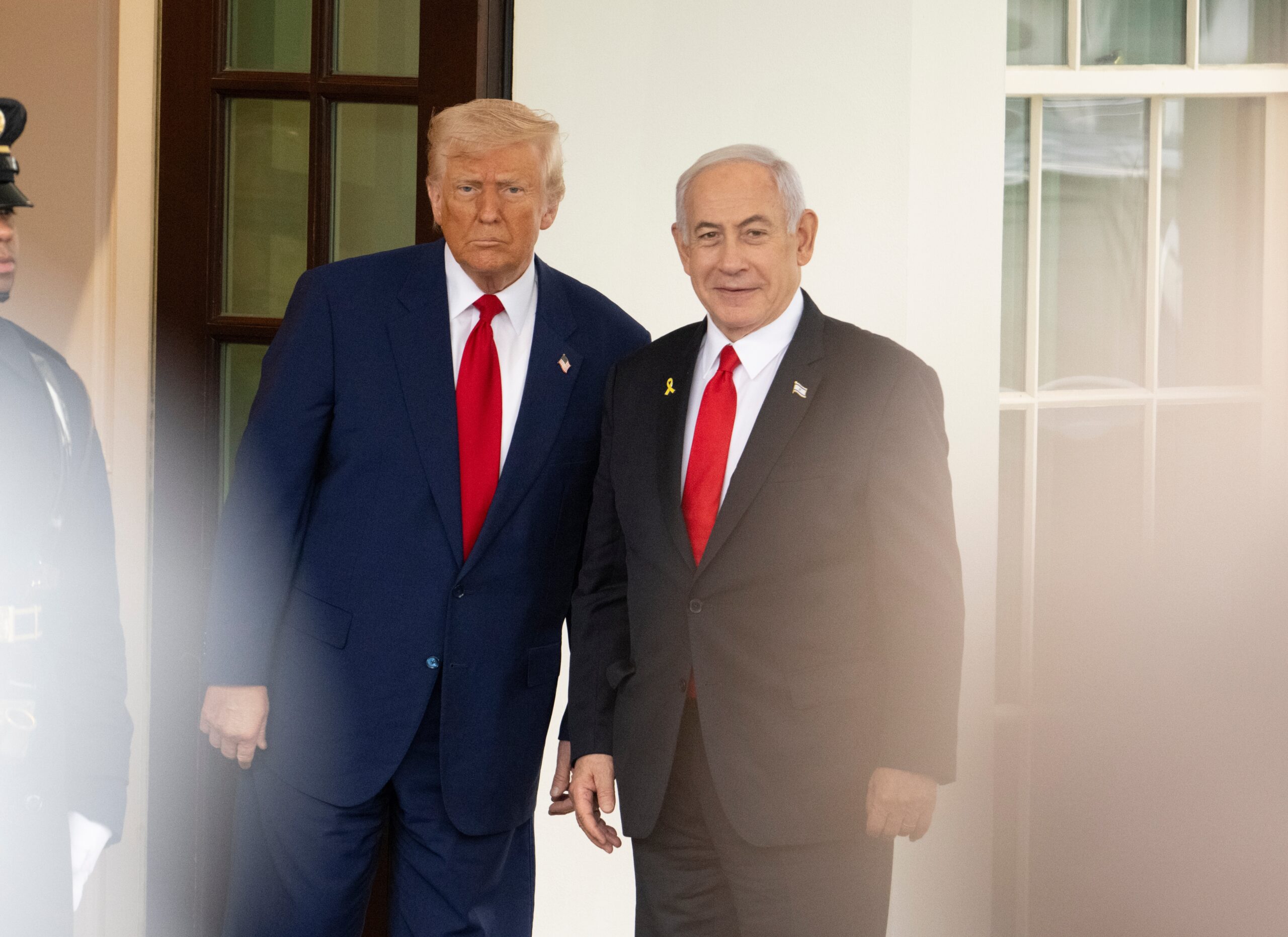
Israeli Prime Minister Benjamin Netanyahu will travel to Washington Monday to meet with President Donald Trump as the U.S. considers whether to intensify military operations against Iran following the collapse of a ceasefire agreement and nearly two weeks of airstrikes.
Netanyahu's Visit Announced
Israeli Prime Minister Benjamin Netanyahu will travel to Washington on Monday for a meeting with President Donald Trump as the United States considers whether to intensify military operations against Iran. Trump announced the upcoming visit during his address at the White House Correspondents' Association Dinner on Friday. Netanyahu is scheduled to meet Trump at the White House on Tuesday, marking his first official visit to Washington since the war with Iran began.
The Iran Crisis Context
The visit follows the collapse of diplomatic talks and the signed Memorandum of Understanding between Washington and Tehran, with American forces continuing to target positions across Iran. A US bombing campaign against Iran has continued for 13 consecutive nights after their ceasefire agreement crumbled earlier this month. President Donald Trump says the US and Iran remain in talks and that he believes Tehran is "getting more serious."
Broader Regional Tensions
The visit comes as the Trump administration reviews its options following Operation Epic Fury and continues to assess Iran's nuclear ambitions, attacks on commercial shipping in the Strait of Hormuz and broader military activity across the region. The US military says it disabled a tanker that tried to bypass its blockade on Iranian ports, and Saudi Arabia launched strikes against Yemen's Iran-backed Houthi rebels after the militant group attacked another Saudi vessel in the Red Sea.
Netanyahu's Additional Agenda
Netanyahu also plans to attend the funeral of the late Sen. Lindsey Graham of South Carolina, whom Netanyahu's office described as "a friend of Israel." Although a US-backed ceasefire was announced in October last year, Israeli forces have continued issuing evacuation orders and carrying out repeated airstrikes and military operations across the Gaza Strip, keeping the conflict active despite ongoing diplomatic efforts.