
Kevin Warsh Sworn in as Fed Chair as Markets Rally on Middle East Peace Hopes
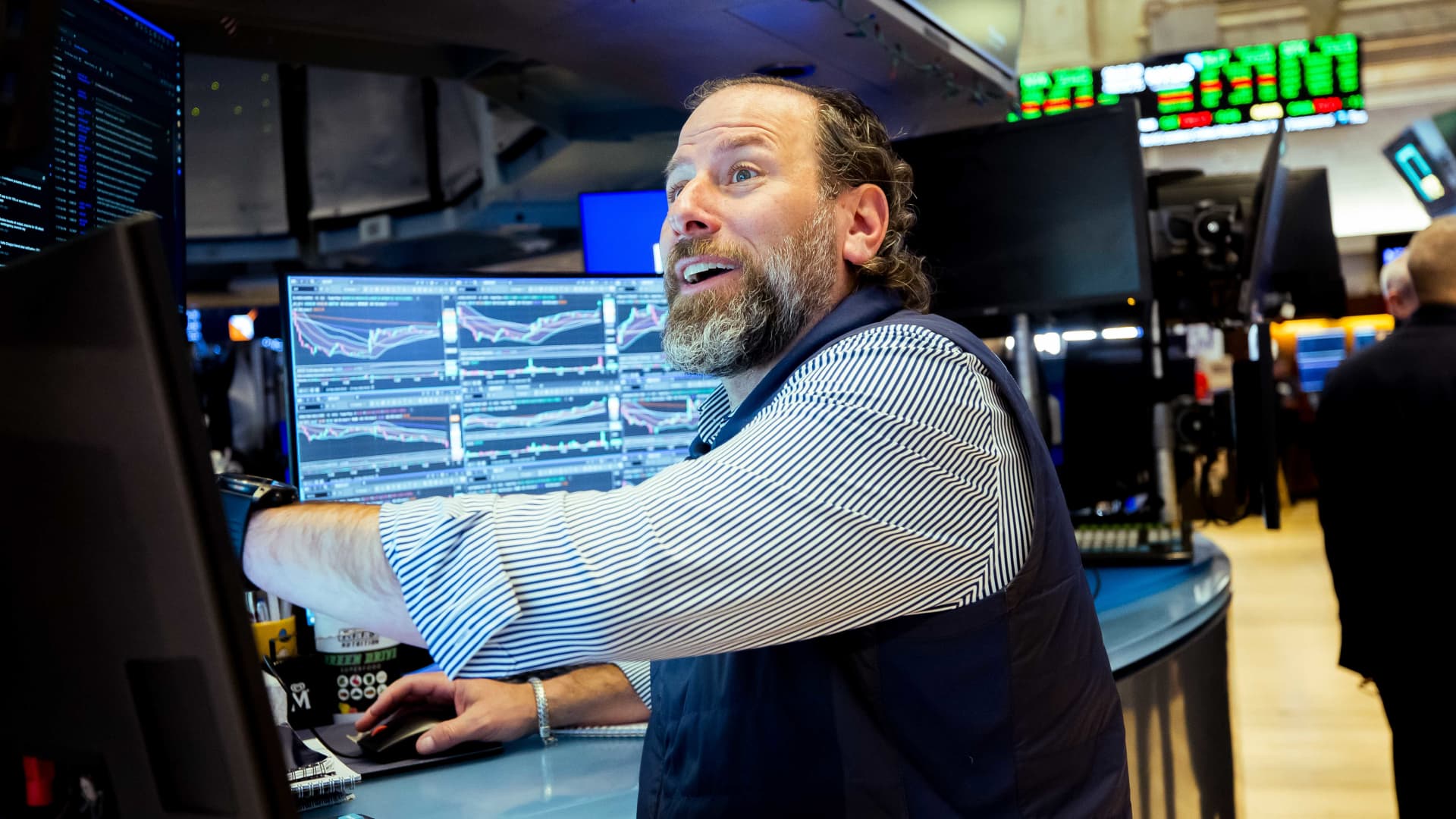
Kevin Warsh officially took the oath as Federal Reserve chair on May 22, becoming the first Fed chair sworn in at the White House since 1987. U.S. stock indexes climbed as investors grew optimistic about a potential resolution to the Middle East conflict, with oil prices and Treasury yields cooling.
Fed Leadership Transition Amid Economic Uncertainty
President Donald Trump led a ceremony swearing in Kevin Warsh as chair of the inflation-pressures-mount-8GhLGnf0">Federal Reserve, putting him in charge of a central bank that must navigate a tumultuous economy and a president with very specific expectations on interest rates. Warsh is the first Fed chair to be sworn in at the White House since Alan Greenspan in 1987.
Trump sought to signal independence for the new chair while simultaneously highlighting unprecedented White House involvement in Fed affairs. "I want Kevin to be totally independent," Trump said at the start of the event Friday morning. "Don't look at me, don't look at anybody." However, Warsh favors reforms, such as a smaller balance sheet and less forward guidance, viewing the Fed's activities in recent years as deviating from its core mandates of maximum employment and stable prices. He has also highlighted preference for lower interest rates in the current environment.
Market Response and Middle East Negotiations
The Dow Jones Industrial Average gained 294.04 points, or 0.58%, to end at 50,579.70. The 30-stock index hit an intraday all-time high and posted another record close. The S&P 500 rose 0.37% to settle at 7,473.47. Market gains were driven primarily by optimism surrounding potential Middle East peace talks.
On Friday, a Qatari team flew into Tehran in coordination with the U.S. to help secure an agreement to end the conflict, Reuters reported, citing a source familiar with the matter. This development eased concerns about sustained energy price shocks. Earlier this week, the 30-year bond yield hit a nearly 19-year high thanks to heavy inflation fueled by the Middle East conflict.
Inflation Pressures and Policy Outlook
Warsh arrives at the helm amid elevated inflation driven by the Middle East energy shock. Economists participating in the Survey of Professional Forecasters think second-quarter inflation will top out at 6%, a huge boost from the last estimate. Wall Street investors no longer foresee any rate reductions this year, according to futures pricing tracked by CME Fedwatch. And the odds of a rate hike by October have risen to nearly 25%, up from zero just a week ago.
What's Ahead
Markets will closely watch Warsh's first policy decisions and communications as Fed chair, particularly regarding rate guidance in coming months. Economic data on consumer confidence, inflation, and employment will be critical for determining the Fed's path forward.