
Iran Strikes Vessel in Strait of Hormuz Amid Transit Fee Negotiations
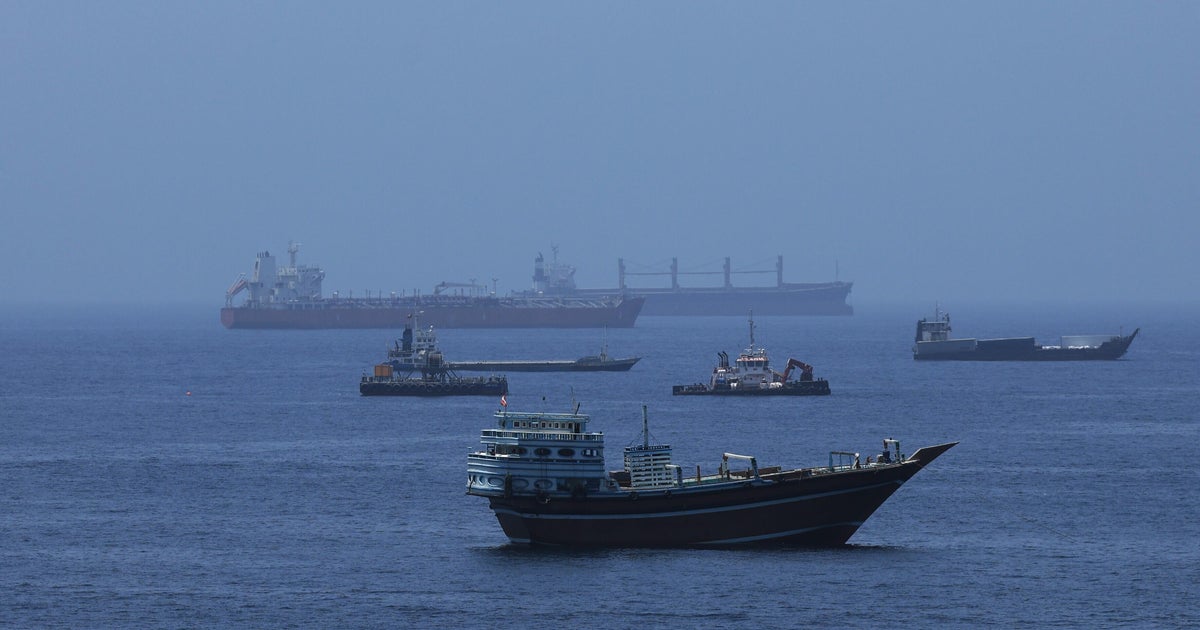
Iran's Islamic Revolutionary Guard Corps struck a cargo ship near Oman on Thursday, escalating tensions as the U.S. and Iran navigate ongoing peace talks and disputes over Strait of Hormuz transit fees. The attack further complicates already delicate negotiations between the two nations.
The Strait Incident
The Islamic Revolutionary Guard Corps struck a cargo ship near Oman on Thursday, further complicating the Iran-U.S. negotiations. The incident occurs amid broader debates over toll systems and transit fees in one of the world's most critical shipping lanes, through which approximately one-third of seaborne traded oil passes.
Timing and Context
Rubio's Gulf tour is the first high-level diplomatic mission since the US-Iran framework agreement last week. The attack represents a significant escalation in the maritime domain, even as diplomatic channels remain open between Washington and Tehran.
Impact on Negotiations
The strike raises questions about Iran's commitment to the ceasefire framework agreed upon in recent weeks. U.S. officials have indicated that the attack will be addressed in ongoing diplomatic discussions, though the administration has characterized the broader conflict with Iran as over.
Regional Implications
The Strait of Hormuz remains one of the most strategically important waterways globally, and incidents involving the Islamic Revolutionary Guard Corps have the potential to disrupt global energy markets and international commerce. The attack comes as Secretary of State Marco Rubio wraps up a high-level diplomatic mission to Gulf allies, reassuring them of U.S. commitment to regional security.
Strategic Concerns
The incident underscores the fragility of the current ceasefire and highlights ongoing tensions between the two nations despite the framework agreement. Defense analysts warn that continued provocations could undermine the negotiation process and potentially lead to further escalation in the region.