
Inflation Surge Challenges Fed as PCE Hits 3.8% Year-Over-Year in April
The Federal Reserve's preferred inflation gauge, the PCE price index, rose to 3.8% in April—the highest reading in nearly three years—driven primarily by energy costs from the Iran conflict, complicating the central bank's monetary policy decisions.
Inflation Accelerating Beyond Target
The personal consumption expenditures price index from April showed a seasonally adjusted increase of 0.4% for the month, with the 12-month inflation rate at 3.8%, according to the Commerce Department. Economists polled by Dow Jones had been looking for respective readings of 0.5% and 3.8%. That was up from 3.5% in March and 2.8% in February. Economists had expected April's reading to show annual inflation of 3.9%.
Energy Price Pressures Dominate
The inflation surge has been driven substantially by geopolitical turmoil. The price of Brent crude hit US$109, having fallen as low as US$89 in mid-April, when there was an expectation that the conflict might end quickly. It is expected that persistently high oil prices could significantly add to global inflation. Recent data shows that inflation has already accelerated sharply in major economies. If, in the coming months, inflation rises further due to the conflict in the Middle East or due to other reasons, it will likely mean a loss of purchasing power for US households, which, in turn, could contribute to slower economic growth.
Market and Policy Response
The hawkish dissents were grounded in the data: with March CPI at 3.3% year over year, accelerated from 2.4% in February, and headline CPI rising 0.9% month over month driven by a 21.2% gasoline price surge, there is no clear basis to signal future easing. With the policy rate close to neutral, Directors cautioned that there is little room to cut interest rates in 2026, particularly given the rise in energy prices, the likely passthrough to core inflation, and the upside risks to global commodity prices that are likely to further delay the return to the inflation target.
Forward-Looking Concerns
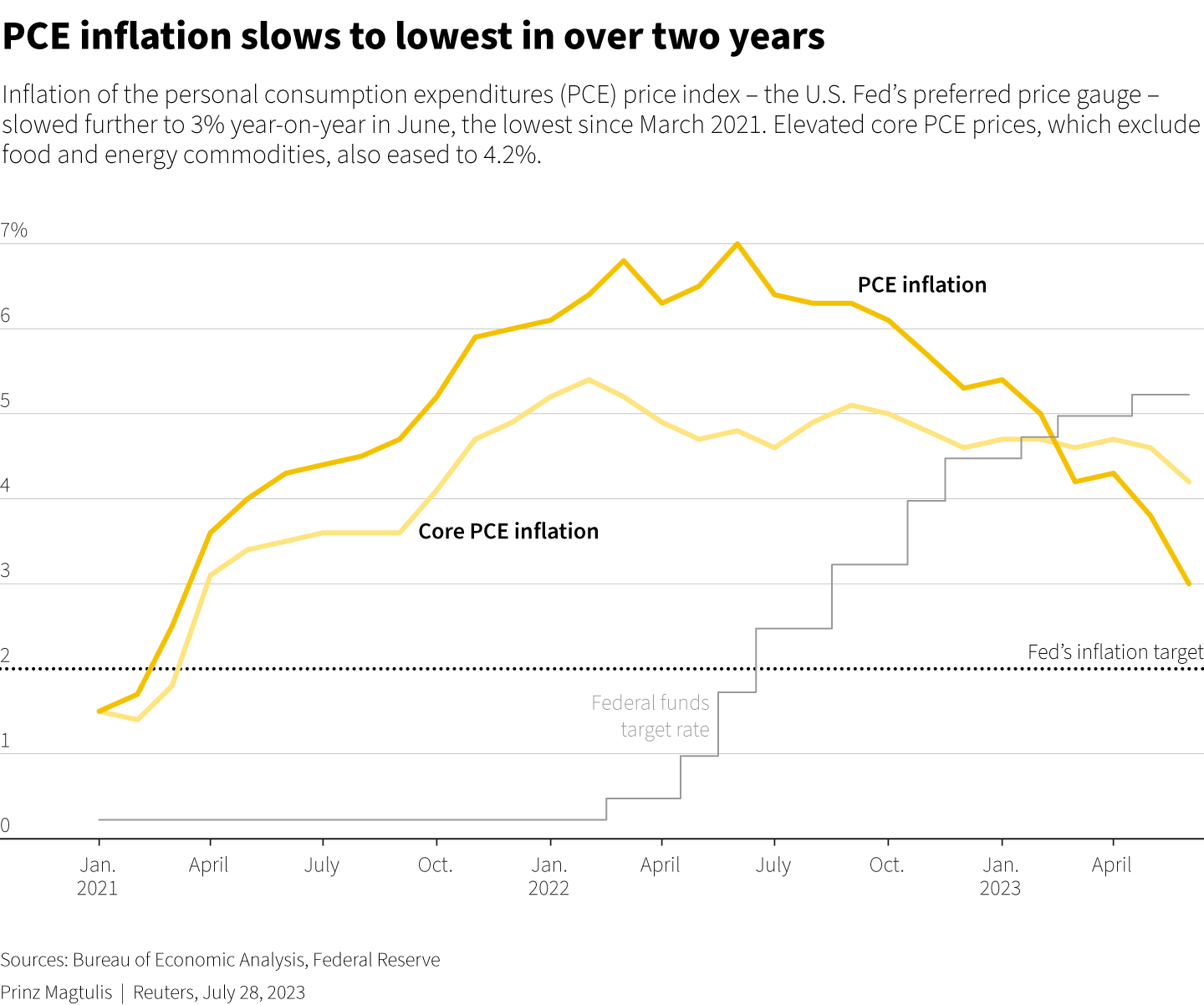
Inflation is much lower than it was in 2022, but the path back to the Fed's 2% goal looks less certain today. "Markets lean toward the Fed maintaining current policy settings, but inflation, oil prices, and labor market conditions can shift the outlook." Aggressive rate increases from early 2022 to mid-2023 helped lower core PCE inflation from a peak above 5.5% year-over-year in 2022 to 3.0% in February 2026.