
Americans Struggling with Financial Breaking Point as Inflation and Energy Costs Surge
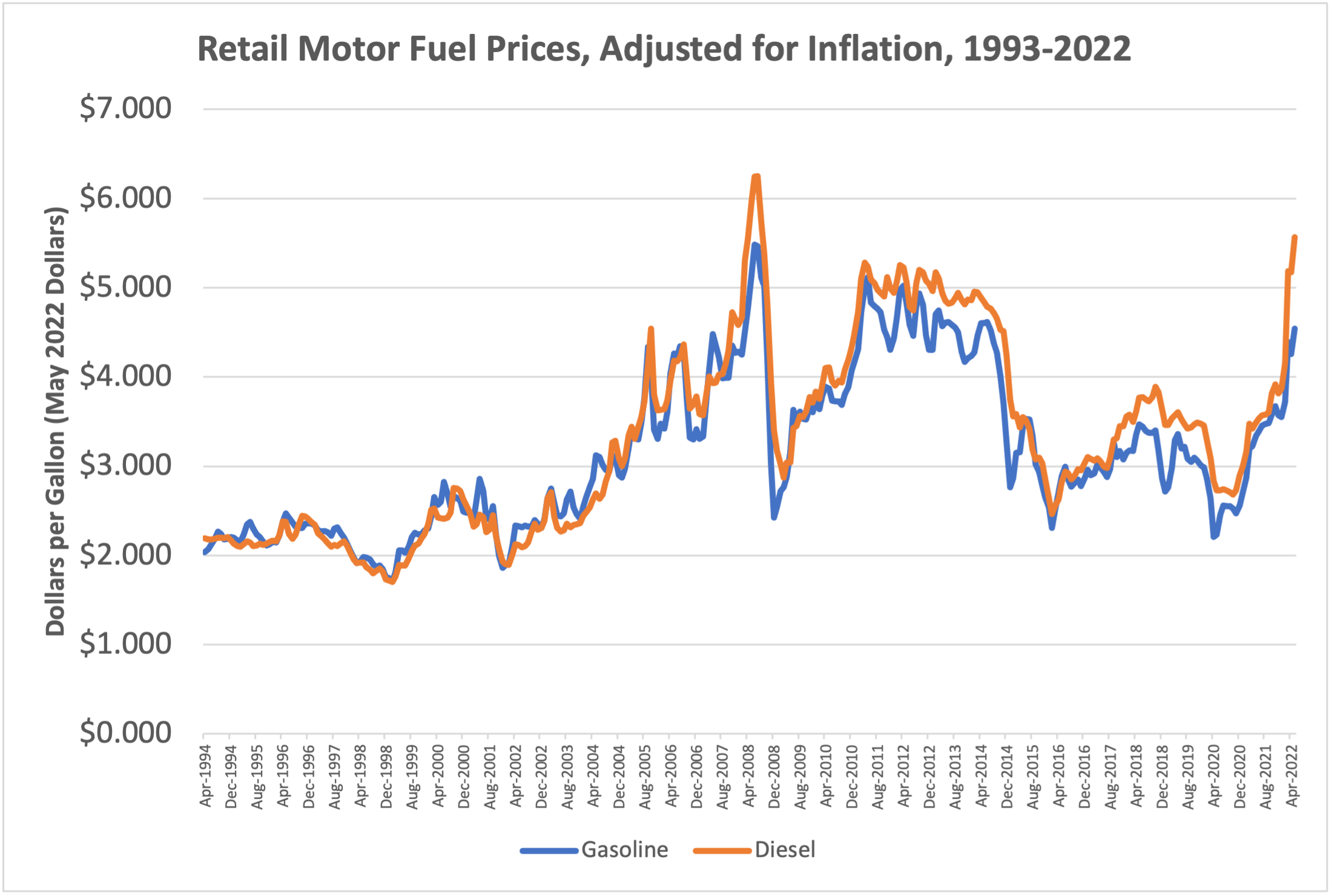
Consumers are reaching financial breaking points as they battle cumulative inflation from five years of price pressures combined with rising gas prices from the Middle East conflict. Consumer sentiment has hit all-time lows, with lower-income households facing disproportionate hardship despite overall economic resilience.
Consumer Sentiment Hits Historic Lows
Consumer sentiment has fallen to an all-time low this month, with Americans feeling worse about the economy than during the Vietnam War, the 1970s oil crisis, 9/11, the Great Recession, COVID-19, and the inflation surge that followed. A growing number of Americans whose labor and spending fuel the economy are reaching their financial breaking points, already hammered by five-plus years of high inflation while now contending with a war-driven cost crunch.
Inflation Persists Despite Economic Growth
The Labor Department's consumer price index showed inflation rose 3.8% from April 2025, with everyday goods and services up about 25% since 2021—more than double the pace during a comparable pre-pandemic period. Hopes for economic growth improvement, cloud-clearing, hiring acceleration, and inflation easing have been crushed by war-driven oil supply squeeze, sharply higher gas prices, and inflationary contagion risks compounding cost-of-living concerns.
Uneven Economic Resilience Masks Household Distress
Year-to-date data paints a picture of a resilient economy, and the stock market looks like a Golden Age, yet beneath this surface appearance lie troubling signals. Bankruptcy filings have increased for three years; debt levels have grown; delinquency rates have moved higher; and the personal savings rate is at its lowest in more than three years.
Lower-Income Households Bear Greatest Burden
Lower-income households are disproportionately impacted as a larger share of their earnings goes toward necessities like groceries and gas, and when higher-income shoppers trade down from premium brands, lower-cost shoppers have nothing to switch to. Because many prices impacted by the war fall on necessities, vulnerable households have little choice but to cover these costs, and they lack cash on hand to cover unexpected expenses, realizing their precarious position.