
Inflation jumps to 3.8% in April, hitting highest level since May 2023 as energy prices soar
The U.S. inflation gauge hit its highest level in three years at 3.8% year-over-year in April, driven primarily by surging oil and gas prices from the Middle East conflict. Consumer confidence has plummeted and mortgage rates have climbed to nine-month highs, squeezing household purchasing power.
Inflation Accelerates to Multiyear High
Inflation jumped to 3.8% in April compared with a year ago, the Commerce Department said Thursday, up from 3.5% in March and the highest since May 2023. The personal consumption expenditures price index increased a seasonally adjusted 0.4% for the month, putting the 12-month inflation rate at 3.8%, the Commerce Department reported.
Energy Crisis Fuels Price Pressures
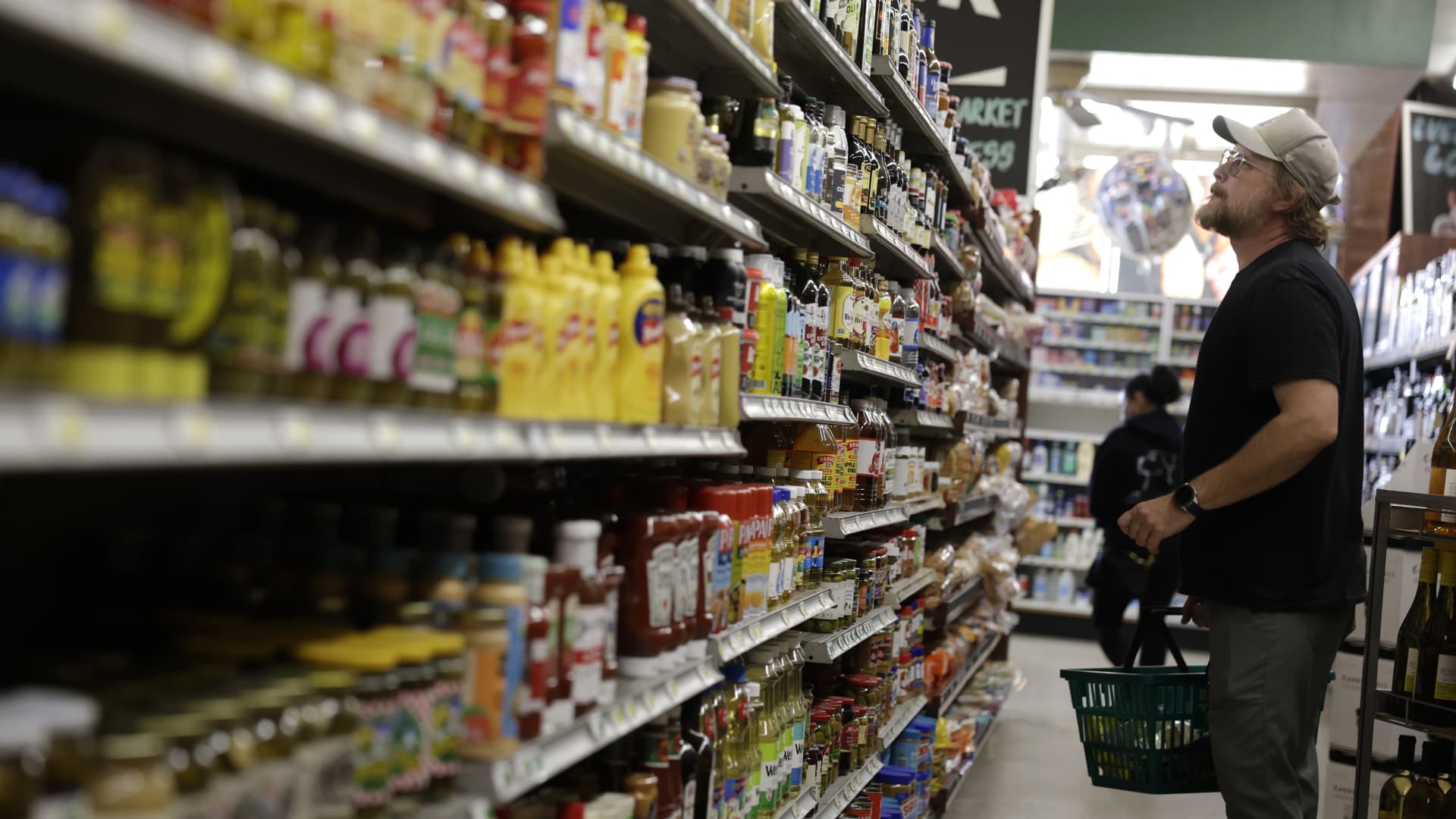
Spikes in gas prices as well as higher food costs have worsened inflation, which has outpaced the growth in average paychecks, reducing most Americans' purchasing power. On the inflation front, goods prices jumped 0.7% in April, pushed again by gasoline, which surged 5.5%. The continued disruption of the Strait of Hormuz due to the Iran conflict has kept crude oil prices elevated, compounding inflationary pressures across the economy.
Consumer Sentiment and Housing Market Challenges
The index follows a separate gauge of consumer sentiment released last week by the University of Michigan, which fell to a record low this month. The average long-term U.S. mortgage rate rose again this week, reaching its highest level in nine months. The benchmark 30-year fixed rate mortgage rate rose to 6.53% from 6.51% last week, mortgage buyer Freddie Mac said Thursday.
Federal Reserve's Policy Challenge
Inflation continued to hit consumer wallets in April, likely keeping the Federal Reserve on the sidelines until the current wave subsides, fresh pricing data released Thursday showed. Traders expect the Fed to stay on hold until at least late in 2026 and currently are pricing the likelihood that the central bank's next move will be a rate increase. Inflation had been ticking closer to the central bank's 2% goal, but the Iran war and the impact from tariffs has derailed the Fed.