
Ebola Bundibugyo Outbreak Spreads in DRC and Uganda as Experts Warn of Further Transmission Risk
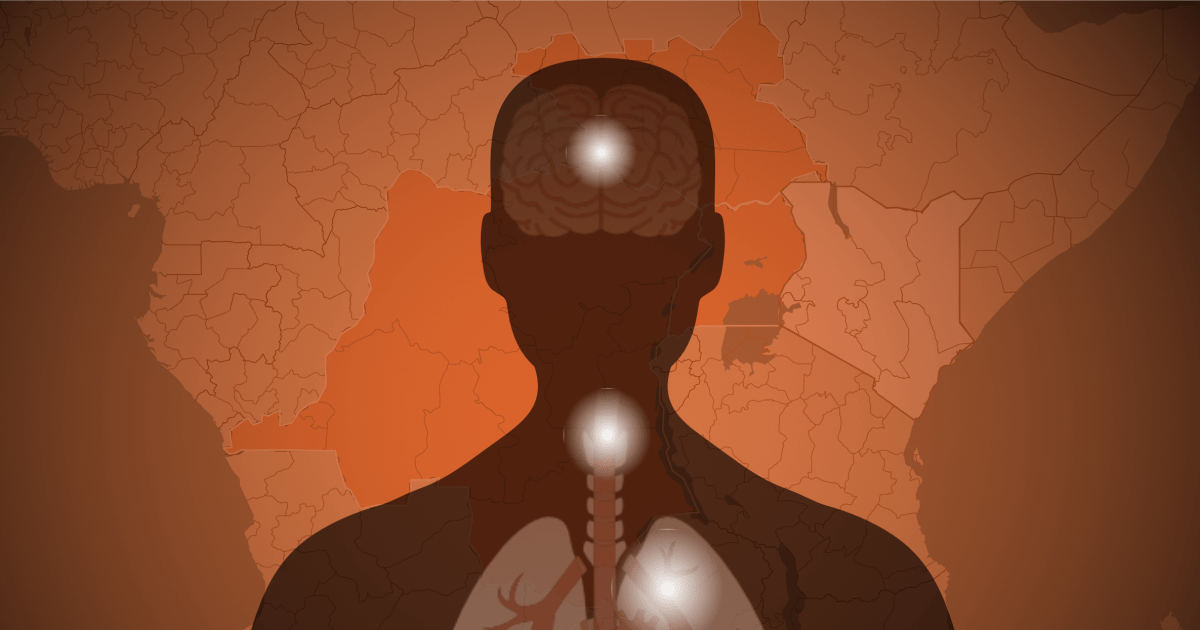
A deadly Ebola outbreak caused by the Bundibugyo virus is raging in eastern Democratic Republic of the Congo and Uganda, with hundreds of confirmed cases and dozens of deaths since the WHO declared a public health emergency in mid-May. Health authorities worldwide are racing to contain the epidemic and prevent it from spreading to other countries.
Outbreak Severity and Spread
The ongoing Ebola outbreak in eastern Democratic Republic of the Congo has alarmed global public health experts for its ferocity, with the World Health Organization declaring a public health emergency in mid-May, after which there have been hundreds of confirmed cases and dozens of deaths from the Bundibugyo species of the virus. The outbreak has been confirmed in Ituri, Nord-Kivu, and Sud-Kivu provinces in DRC, with cases related to the outbreak also reported in Uganda's capital of Kampala.
Risk Factors and Global Concerns
The "speed and scale" of the outbreak in Congo is causing worry about potential spread to other areas or countries as conflict and fighting within the region has escalated and the area is a mining zone with "high levels of population movement." On May 18, CDC and DHS announced enhanced travel screening, entry restrictions, and public health measures to prevent Ebola disease from entering the United States, with affected air passengers from DRC, South Sudan, and Uganda having their air travel re-routed to arrive at Washington-Dulles International Airport, Atlanta Hartsfield-Jackson International Airport, or George Bush Intercontinental Airport.
Transmission and Previous Outbreaks
Ebola isn't a respiratory virus, so it doesn't spread far; however, it can spread easily through blood, saliva and other bodily fluids, as well as contaminated surfaces, and handling the bodies of victims is also a known risk for transmitting the virus. The world's deadliest outbreak of Ebola was in 2014 in three West African nations: Guinea, Sierra Leone and Liberia, where more than 11,300 people died and it took almost two years to control it.
Current U.S. Response
To date, no cases of Ebola disease have been confirmed in the United States because of this outbreak, and the overall risk to the American public and travelers remains low. CDC is working internationally and domestically to respond to this outbreak and prevent Ebola from entering the United States, and has guidance for people who recently have been in areas affected by this Ebola outbreak, including what to do if you feel sick after travel.