
Ebola Outbreak in Congo Reaches Crisis Point with 500+ Cases; WHO Declares International Emergency
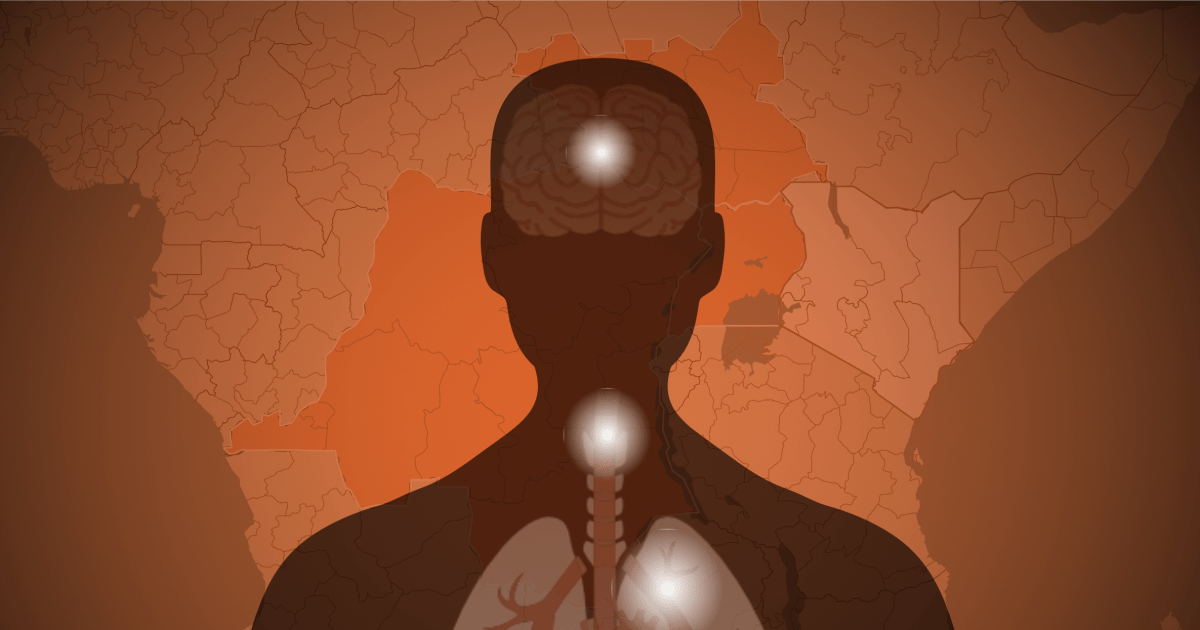
A rare Bundibugyo Ebola outbreak centered in Congo's Ituri province has infected over 500 people with dozens of deaths, prompting the WHO to declare a public health emergency of international concern and mobilize $518 million in global response efforts.
The Outbreak Escalates Rapidly
As of June 6, 2026, a total of 515 confirmed cases with 91 deaths among these confirmed cases have been reported from the Democratic Republic of the Congo, and Uganda has reported 19 confirmed cases including two deaths, as well as one probable case who has died. The ongoing Ebola outbreak in eastern Democratic Republic of the Congo has alarmed global public health experts for the ferocity of the spread in the remote and heavily populated region.
A Rare and Dangerous Variant
The Bundibugyo virus was discovered in western Uganda less than 20 years ago, and this is just the third time Bundibugyo has been the cause of an identified outbreak. Bundibugyo virus disease is caused by a species of orthoebolavirus for which no approved vaccine or medication is currently available. Previous outbreaks of Bundibugyo virus had death rates of 32% in Uganda (2007) and 55% in DRC (2012).
Global Response and Warnings
The Africa Centres for Disease Control and Prevention and the World Health Organization launched a joint continental preparedness and response plan on June 5, aiming to raise US$ 518 million to support African countries to prepare for, rapidly detect and respond to the outbreak. The current outbreak is already the largest known BVD outbreak and has the potential to quickly become one of the largest Ebola disease outbreaks ever recorded. With poor isolation levels of patients (20%) and no other interventions, the likelihood of an outbreak exceeding 20,000 cases within 3 months is 65%, though if 70% of patients entered isolation, only a one in 20 chance is projected for an outbreak with 10,000+ cases within 3 months.
Response Challenges and Cross-Border Spread
In Uganda, the outbreak remains epidemiologically linked to transmission originating in the Democratic Republic of the Congo, with evidence of both imported infections and secondary transmission among contacts and healthcare workers. Hundreds of Médecins Sans Frontières staff are responding in DR Congo and Uganda, treating patients and setting up Ebola treatment centers, yet cases are now being confirmed in new health zones where there is little or no support.