
DuckDuckGo 'No AI' Search Traffic Surges as Users Reject Google's AI-Overhaul
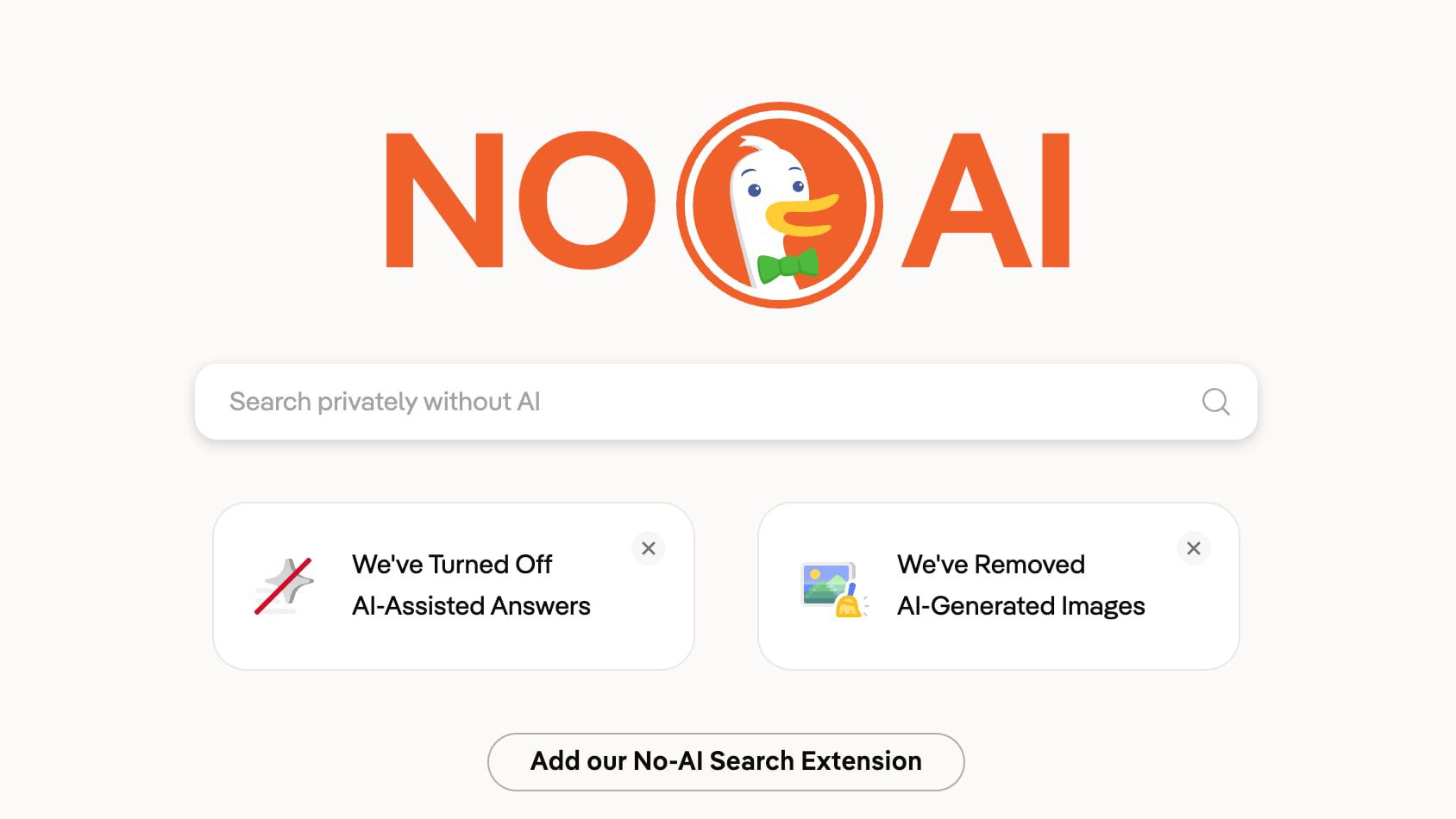
Privacy-focused search engine DuckDuckGo experienced a sharp traffic spike for its 'No AI' search option following Google's May I/O announcements about AI-powered search, as users revolt against the tech giant's redesign of core search functionality.
The Backlash Against AI Search
Privacy-focused search engine DuckDuckGo has seen a surge in demand for its "No AI" search option in the wake of Google's May 19th I/O announcements. The spike represents a rare moment where consumer preferences visibly diverge from the AI-first strategy embraced by Big Tech leadership, signaling potential cracks in the narrative that AI integration is universally desired.
Google's Search Redesign
Google debuted a new "intelligent" search box reimagined with AI. The company introduced Gemini 3.5 Flash-powered search with longer query support, file attachments, AI Overviews, AI Mode, and agentic tools that can monitor information or act on a user's behalf. Google's transformation of search—historically the core "ten blue links" interface—signals a fundamental shift toward conversational, AI-agent-based discovery.
User Resistance and Privacy Concerns
The surge in DuckDuckGo's "No AI" option reflects growing user anxiety about privacy, hallucinations, and the replacement of traditional search with AI summaries. Many users prefer getting direct links to sources rather than AI-generated syntheses, which can miss nuance, include outdated information, or obscure the original source. DuckDuckGo's positioning as a privacy-first alternative with no AI synthesis resonates with users uncomfortable with Google's data collection practices and AI-driven personalization.
Competitive Positioning
Many netizens are looking for an alternative to Google's recently announced AI Search redesign, with installs of DuckDuckGo soaring. This dynamic mirrors earlier waves of user migration when privacy concerns emerged around Google's ad tracking. However, DuckDuckGo's modest market share means the migration remains a rounding error for Google overall—more meaningful as a signal of user sentiment than as a competitive threat.
Broader Industry Implications
The DuckDuckGo surge highlights a key risk for the AI-first strategy: not all users value AI integration equally, and some actively avoid it. As Google and competitors race to deploy agentic AI across search, email, docs, and ads, this data point suggests regulatory and competitive pressure around AI choice, transparency, and user control will intensify.