
DuckDuckGo Installs Surge 30% as Users Reject Google's AI-Overhauled Search
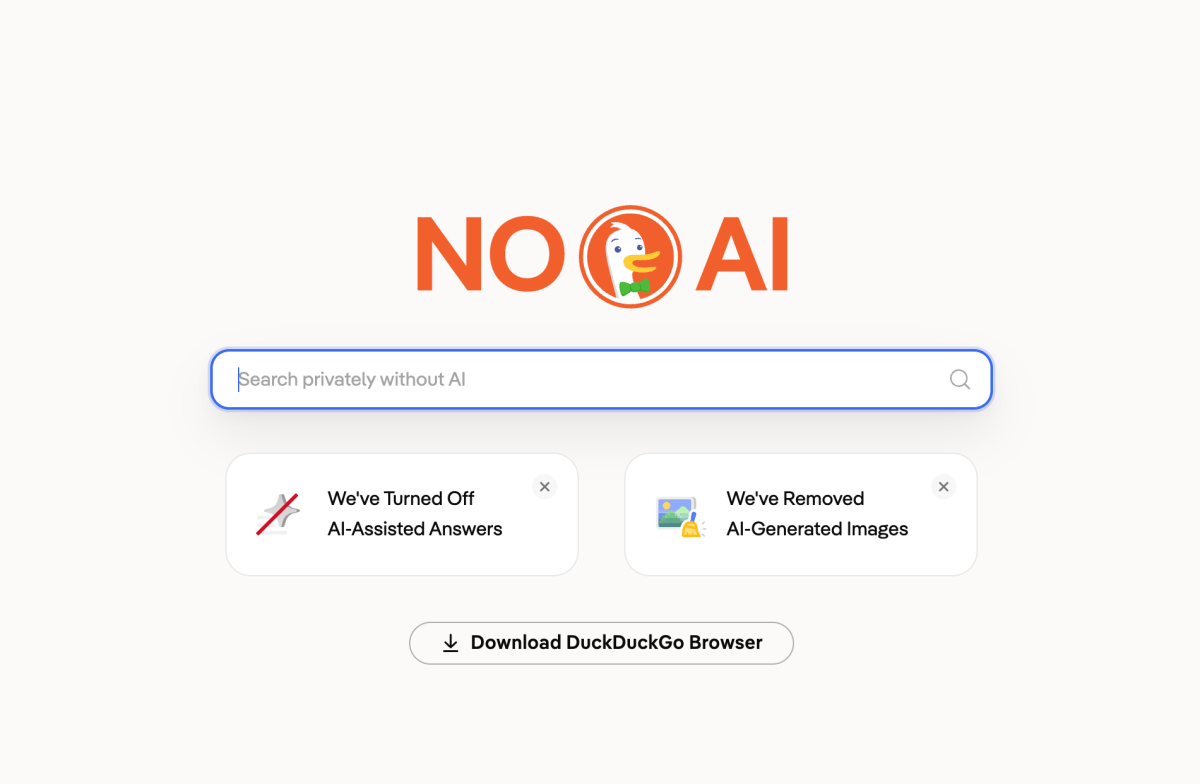
Privacy-focused search engine DuckDuckGo saw a 30% spike in app installations after Google overhauled its Search product at I/O 2026, replacing traditional blue links with AI agents. The backlash reflects user concerns over Google's aggressive AI integration and shift away from traditional search results.
The Backlash
Google overhauled Search at I/O 2026, replacing blue links with AI agents, prompting a swift backlash with DuckDuckGo app installs spiking 30% as users seek a way out. This dramatic shift in user behavior signals growing consumer concern about Google's fundamental reimagining of how search results are presented and discovered.
Google's Search Transformation
Google is changing Search with a new Gemini 3.5 Flash-powered search box, longer queries, file attachments, AI Overviews, AI Mode, and agent-style tools that can monitor information or act on a user's behalf, with the old "ten blue links" model fading. This shift represents one of the most significant changes to Google Search in years, moving away from the simple list-based interface users have relied on for decades.
Privacy Alternative Appeal
DuckDuckGo's 30% surge in installations demonstrates that a significant portion of users are uncomfortable with the direction Google is taking. The search engine has long positioned itself on privacy grounds, and Google's AI-centric overhaul appears to have accelerated adoption of alternatives. This is particularly notable given DuckDuckGo's relatively small market share compared to Google's dominance.
Broader Implications
The surge reflects broader user sentiment about AI integration in everyday tools. While some users embrace agentic AI capabilities, others prefer traditional, transparent search results they can review independently. This backlash suggests that aggressive AI adoption without user consent or choice may drive migration to alternatives, potentially challenging Google's search monopoly for the first time in years.