
Deadly Ebola Outbreak in Congo Alarming Global Health Experts as Cases Continue to Rise
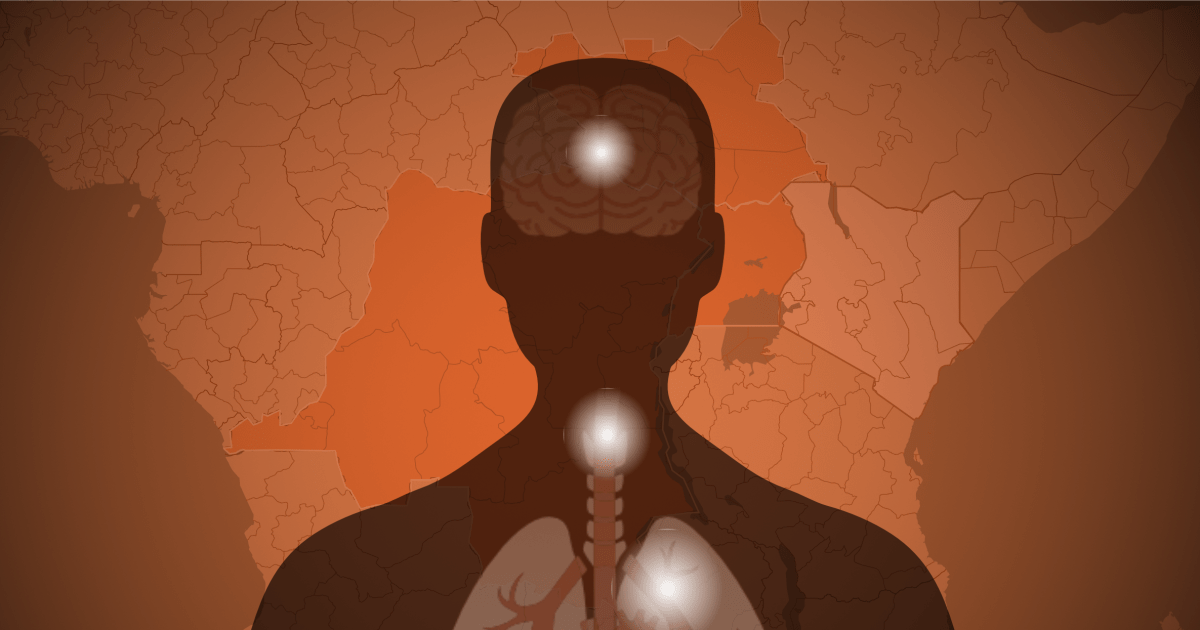
The Bundibugyo strain of Ebola spreading in the Democratic Republic of Congo has sparked a public health emergency, with hundreds of confirmed cases and no approved vaccine or treatment available. Global health workers are racing to contain what experts call one of the most concerning outbreaks in recent history.
A Rapidly Spreading Crisis
The ongoing Ebola outbreak in eastern Democratic Republic of the Congo has alarmed global public health experts for the ferocity of the spread in the remote and heavily populated region. Since the World Health Organization declared a public health emergency in mid-May, there have been hundreds of confirmed cases and dozens of deaths from the Bundibugyo species of the virus.
A Strain Without Approved Treatments
While we have seen very large outbreaks of the "traditional Ebola virus," which used to be called the Zaire ebolavirus before, and we've developed vaccines and treatments for that, we don't actually have any approved vaccines or treatments for the Bundibugyo strain. Researchers are racing to test a couple of antibody drugs and a drug called remdesivir, which is an antiviral drug.
Regional Spread and Transmission Risk
The "speed and scale" of the outbreak in Congo is causing worry about potential spread to other areas or countries as conflict and fighting within the region has escalated and because the area is a mining zone with "high levels of population movement." The virus can spread easily through blood, saliva and other bodily fluids, as well as contaminated surfaces. Handling the bodies of victims is also a known risk for transmitting the virus.
Global Response and Challenges
Health authorities worldwide are mobilizing resources to support the response in Congo. Doctors without Borders called for more testing and medics on the ground to address one of the largest Ebola outbreaks in history. The lack of approved vaccines for the Bundibugyo strain has made containment efforts more challenging than during previous Ebola epidemics.