
Compact X-Ray Telescope Could Map Moon's Complete Chemical Composition
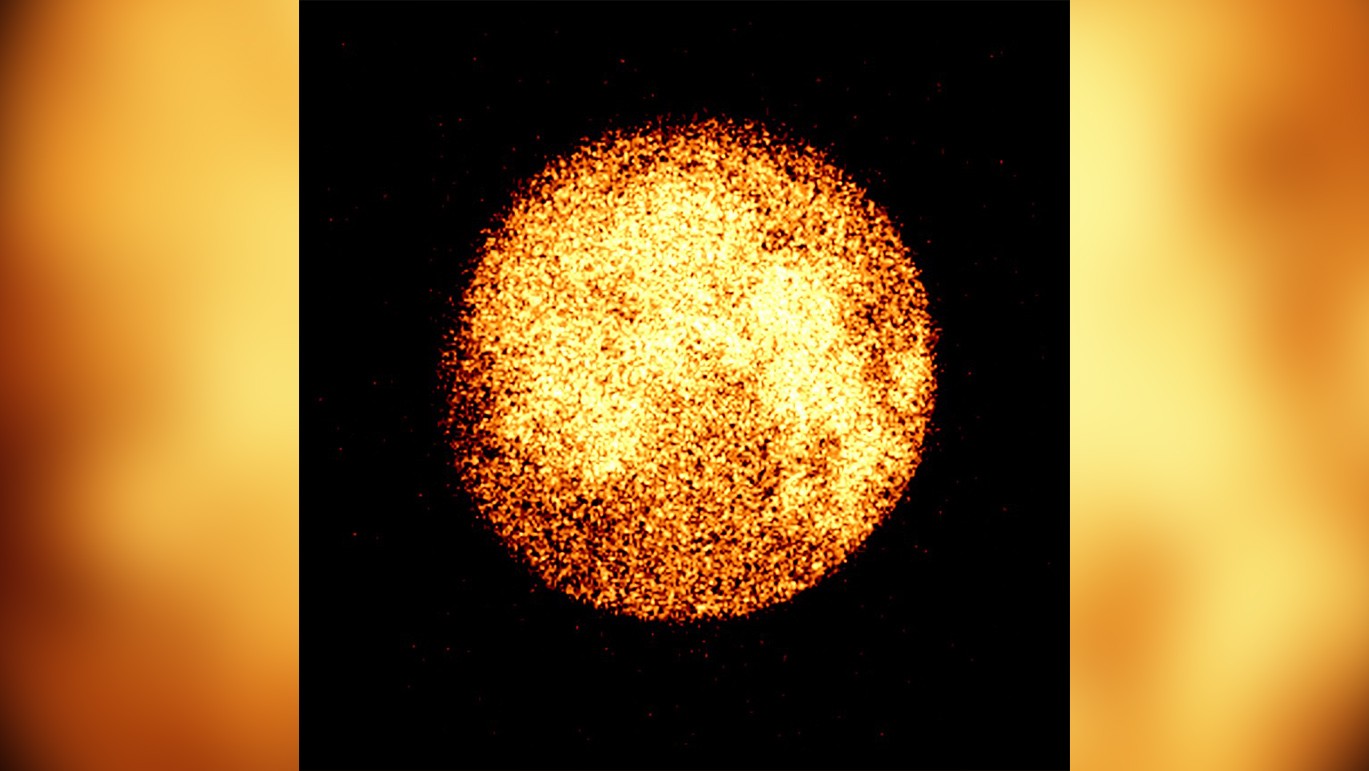
A new lightweight X-ray telescope design could enable scientists to create the first complete chemical map of the lunar surface by analyzing X-rays naturally emitted or reflected by Moon rocks, unlocking understanding of lunar geology.
The Technology
On June 6, 2026, a lightweight new X-ray telescope could finally give scientists something they've never had before: a complete chemical map of the Moon. The innovation addresses a long-standing gap in lunar science—existing instruments can only study small regions or require direct soil sampling.
How It Works
The telescope would orbit the Moon and detect X-rays naturally emitted when solar radiation strikes lunar rocks, causing them to fluoresce. Different chemical elements produce characteristic X-ray signatures, allowing the instrument to identify and map the distribution of major elements like oxygen, silicon, aluminum, and iron across the entire lunar surface. Researchers used detailed mission simulations to show that a compact telescope orbiting the Moon could achieve full-surface coverage without the bulk and power requirements of traditional instruments.
Scientific Value
A complete elemental map would revolutionize lunar science by revealing how the Moon's crust formed and evolved. It would identify resource-rich regions that might support future human missions, locate subsurface water deposits that often appear with specific mineral associations, and help scientists understand large-scale processes like asteroid impacts and lava flows that shaped the lunar surface billions of years ago. The data would also provide context for samples returned by future crewed missions.
Future Implications
This technology could serve as a prototype for remote chemical mapping of other planetary bodies—Mars, asteroids, and moons throughout the solar system. The lightweight design means it could be deployed on multiple orbital platforms simultaneously, creating redundancy and enabling temporal studies to detect changes over time. As humanity prepares to return to the Moon through programs like NASA's Artemis, tools like this compact X-ray telescope will be essential for strategic planning and scientific discovery.