
Tiny X-ray Telescope Could Unlock the Moon's Complete Chemical Map
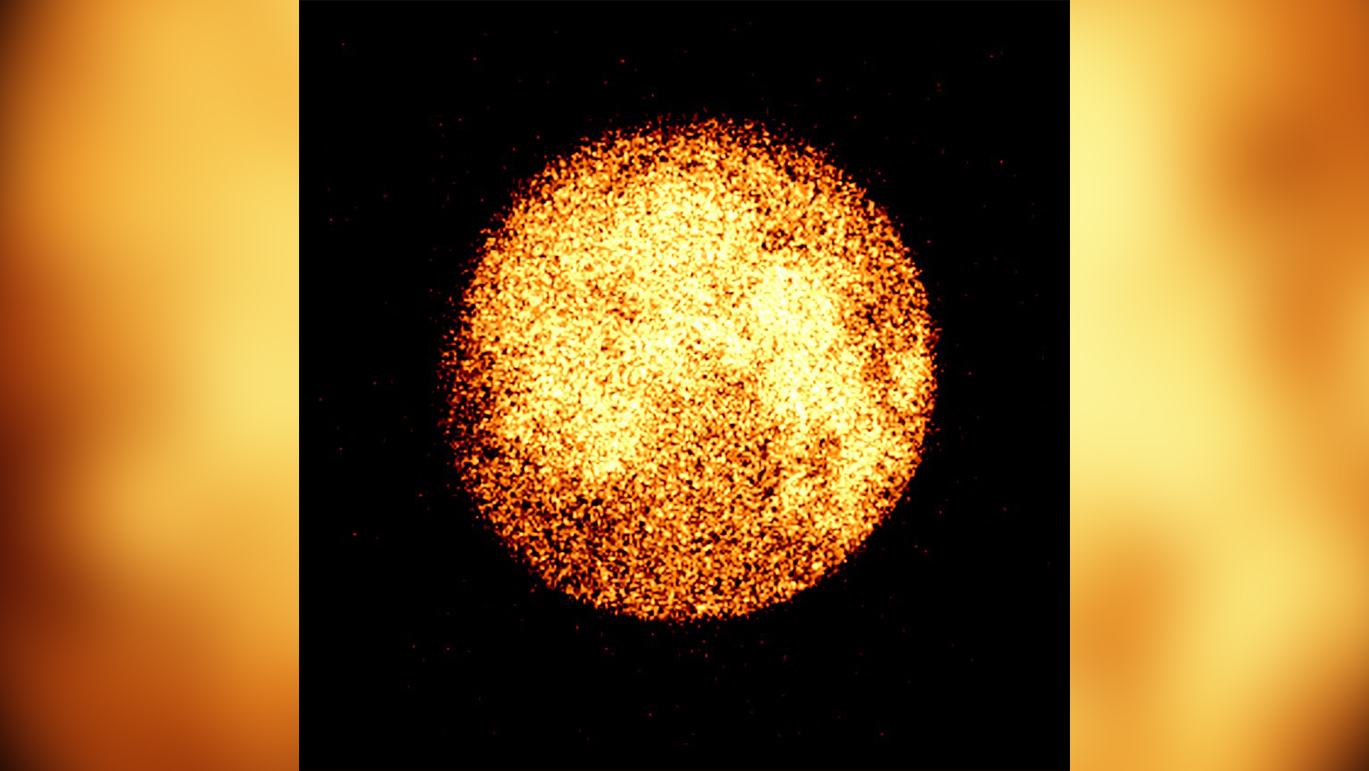
Researchers designed a lightweight X-ray telescope that could orbit the Moon and provide the first complete chemical map of Earth's satellite, opening new possibilities for understanding the Moon's geology and composition.
Breakthrough in Lunar Science
A lightweight new X-ray telescope could finally give scientists something they've never had before: a complete chemical map of the Moon. Researchers used detailed mission simulations to show that a compact telescope orbiting the Moon could deliver unprecedented insights into the Moon's surface chemistry.
Why This Matters
For decades, scientists have relied on indirect measurements and orbital imagery to understand the Moon's composition. A lightweight new X-ray telescope could finally give scientists something they've never had before: a complete chemical map of the Moon. This direct measurement approach would enable researchers to identify elements with far greater precision than ever before, fundamentally changing how we understand the Moon's geological history, mineral distribution, and potential resource availability for future human missions.
Technical Innovation
The design represents a major engineering achievement by creating a compact, space-qualified X-ray instrument that can withstand the harsh lunar environment while operating from orbit. Traditional lab-based X-ray spectrometers are bulky and power-hungry, but this miniaturized version maintains full analytical capability while being transportable by lunar landers and orbiters. The mission simulations validate that the telescope can map chemical elements across broad lunar regions with sufficient spatial resolution to answer fundamental questions about the Moon's thermal history and differentiation processes.
What to Watch Next
This discovery moves lunar chemistry research from the proposal stage toward actual mission planning. Scientists will need to secure funding for hardware development, integration, and eventual launch. The success of this technology could also lead to similar X-ray instruments for other planetary bodies, potentially revolutionizing how we chemically map distant worlds and asteroids that might harbor resources valuable to space exploration.