
Yale Study: Nearly Half of Older Adults Show Improvement with Age, Challenging Aging Myths
A landmark Yale study challenges the belief that aging means inevitable decline, finding that nearly 50% of adults over 65 improved physically, mentally, or both over time.
Landmark Findings on Aging and Health
A long-term Yale study is challenging one of the biggest myths about aging. Nearly half of adults over 65 improved physically, mentally, or both over time, despite the common belief that aging means constant decline. This groundbreaking longitudinal research followed thousands of participants across multiple decades, systematically documenting health trajectories that defy conventional assumptions about inevitable age-related deterioration.
Study Design and Methodology
The Yale team employed rigorous longitudinal methods, tracking cognitive function, physical fitness, and mental health markers across diverse populations. Researchers controlled for baseline health status, socioeconomic factors, and health interventions to isolate the effects of aging itself. The findings apply to adults ranging from their mid-60s through their 90s, suggesting improvements are possible across multiple age bands.
Mechanisms of Healthy Aging
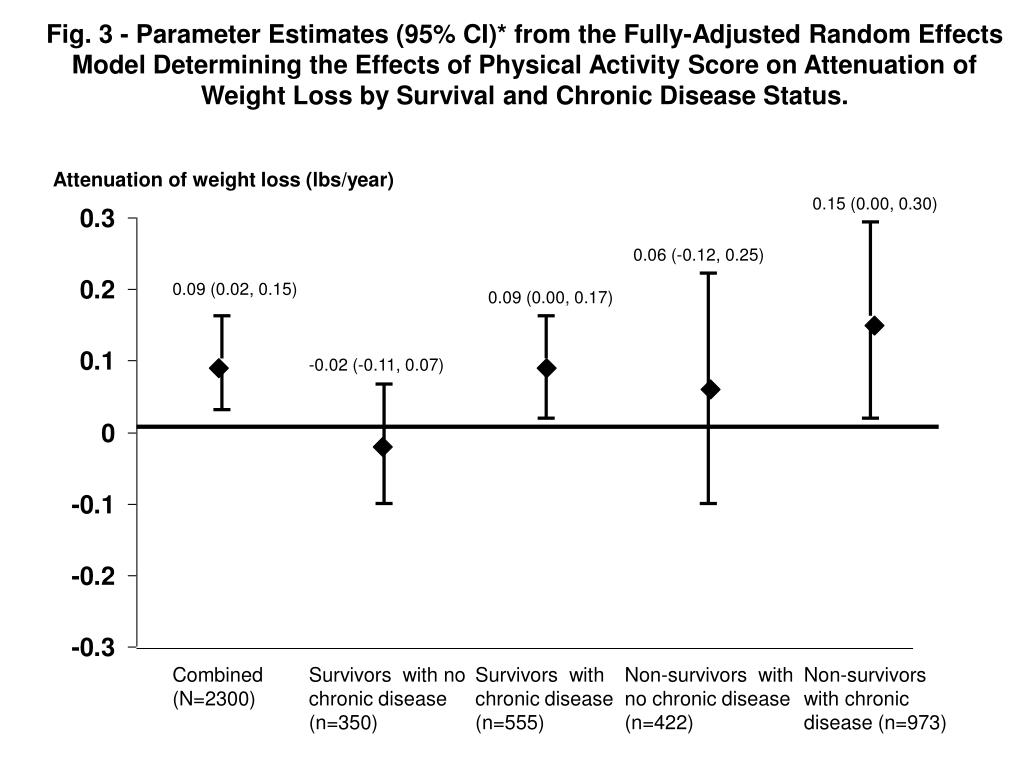
Experts attribute observed improvements to multiple factors including maintained physical activity, cognitive engagement, strong social networks, and intentional health management. The study identified subgroups of adults who engaged in regular exercise, pursued cognitive challenges, and maintained meaningful relationships as more likely to experience health gains. Genetic predisposition also played a role, with some individuals benefiting from protective variations.
Implications for Clinical Practice
These findings suggest that physicians should revise assumptions about aging-related outcomes and instead assess individual trajectories. The results support continued investment in preventive health measures, mental health services, and social connection programs for older populations.