
Yale Scientists Reveal Hidden Communication Network in the Retina
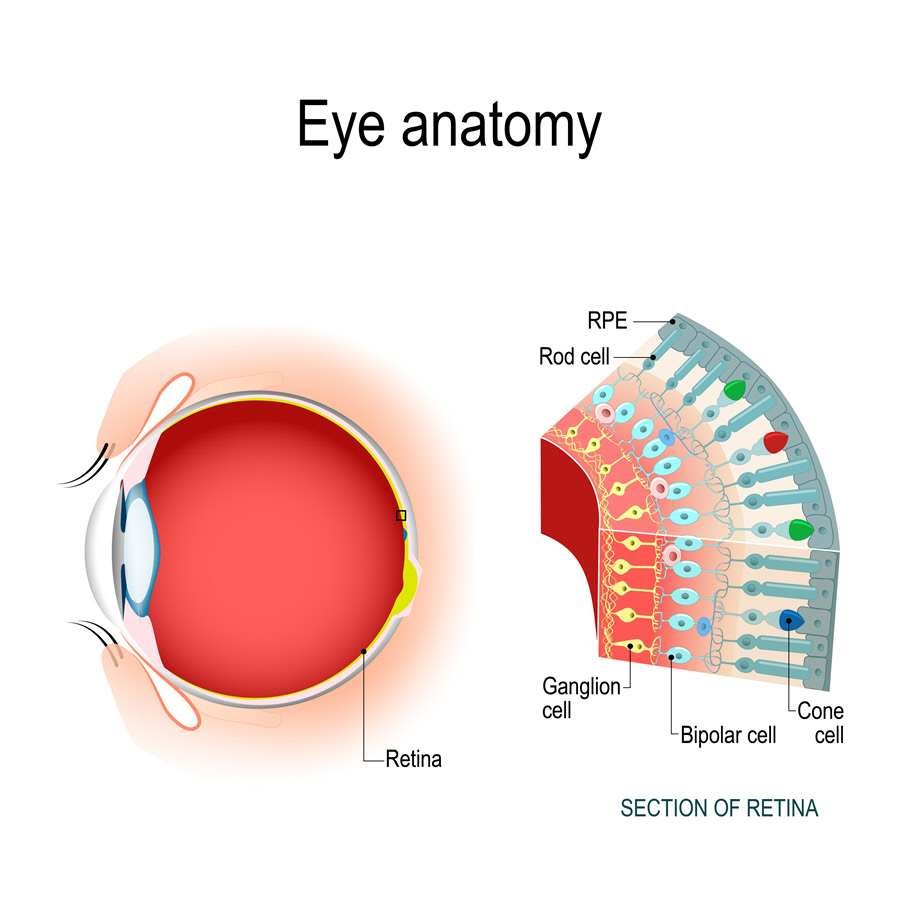
Researchers at Yale have discovered an unexpected communication network within the retina that allows separate visual pathways to cooperate, controlled by a newly identified 'commander' cell that coordinates the system.
Unveiling the Eye's Secret Architecture
Researchers have discovered that the retina uses an unexpected communication network that lets separate visual pathways cooperate instead of working alone. This finding challenges prevailing understanding of how the eye processes visual information and represents a significant advance in neuroscience.
The Role of the 'Commander' Cell
The retina uses an unexpected communication network that lets separate visual pathways cooperate instead of working alone. A newly identified "commander" cell appears to coordinate this system, helping the eye detect features across different visual channels. This hierarchical organization was previously unknown, suggesting the retina has a more sophisticated control mechanism than scientists anticipated.
Implications for Vision Science
The discovery explains how the eye integrates information from multiple parallel processing streams to create coherent visual perception. The retina was long thought to work through independent, parallel pathways for different features like motion, color, and contrast. The discovery of this coordinating network suggests the eye has an intricate feedback system that refines and integrates visual signals before they reach the brain.
Broader Applications
Understanding these neural coordination mechanisms in the retina could inform research into visual disorders and blindness. The principles governing this retinal communication network may apply to other sensory systems and brain regions, advancing fundamental neurobiology and potentially leading to new treatments for vision loss.