
WHO Warns of Rising Cancer Burden: 26,000 Deaths Daily, Cases Expected to Double by 2050
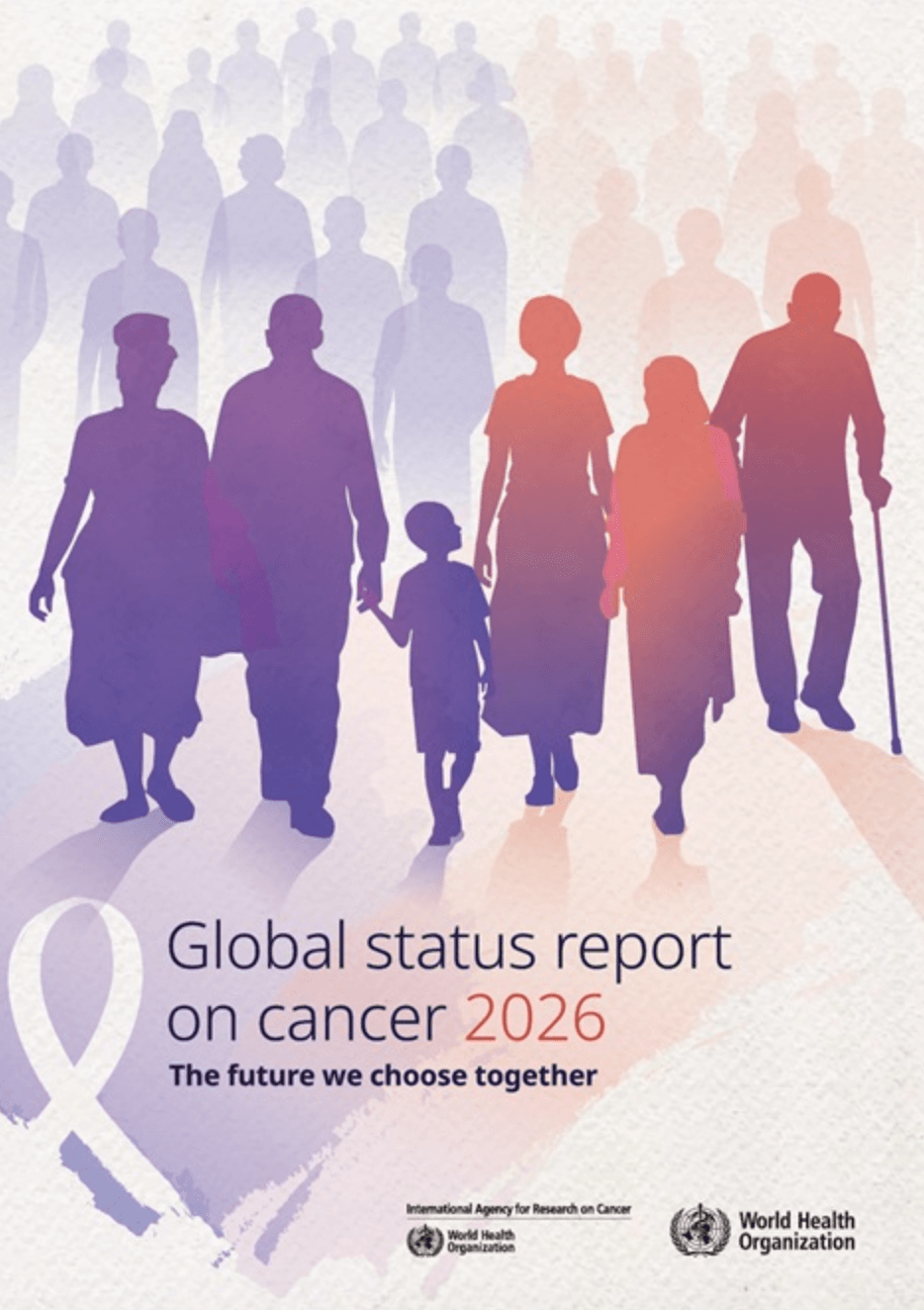
The World Health Organization released its Global Status Report on Cancer 2026 on July 8, warning that cancer claims over 26,000 lives daily worldwide and cases are projected to nearly double by 2050 unless urgent action is taken. The report highlights persistent inequalities in access to cancer prevention, diagnosis, and treatment.
Global Cancer Crisis Accelerating
Cancer is claiming over 26,000 lives every day worldwide and cases are expected to nearly double by 2050, according to the World Health Organization's Global Status Report on Cancer 2026. The WHO estimates 20.6 million new cancer cases and nearly 10 million deaths every year, with annual cancer cases projected to rise to almost 35 million by 2050 if urgent action is not taken.
India Faces Disproportionate Burden
The report highlights India as one of the countries bearing a significant share of the world's growing cancer burden. The analysis compared cancer trends across India, China, Japan, South Korea, and the United States, revealing stark disparities in incidence and mortality rates.
Treatment Access Gaps Persist
The report warns that persistent inequalities in cancer prevention, diagnosis, treatment, and supportive care continue to leave millions without access to essential services. These gaps reflect broader systemic challenges in healthcare infrastructure, particularly in lower-income regions where detection occurs at advanced stages and treatment options remain limited.
Implications for Global Health
The projection of doubling cancer cases by 2050 signals an urgent need for investment in early detection programs, workforce training, and affordable treatment options. The WHO report underscores that without coordinated international effort and equitable resource allocation, the global cancer burden will overwhelm healthcare systems already strained by competing priorities.