
Weakening Atlantic Current Could Supercharge California's Atmospheric Rivers, New Study Shows
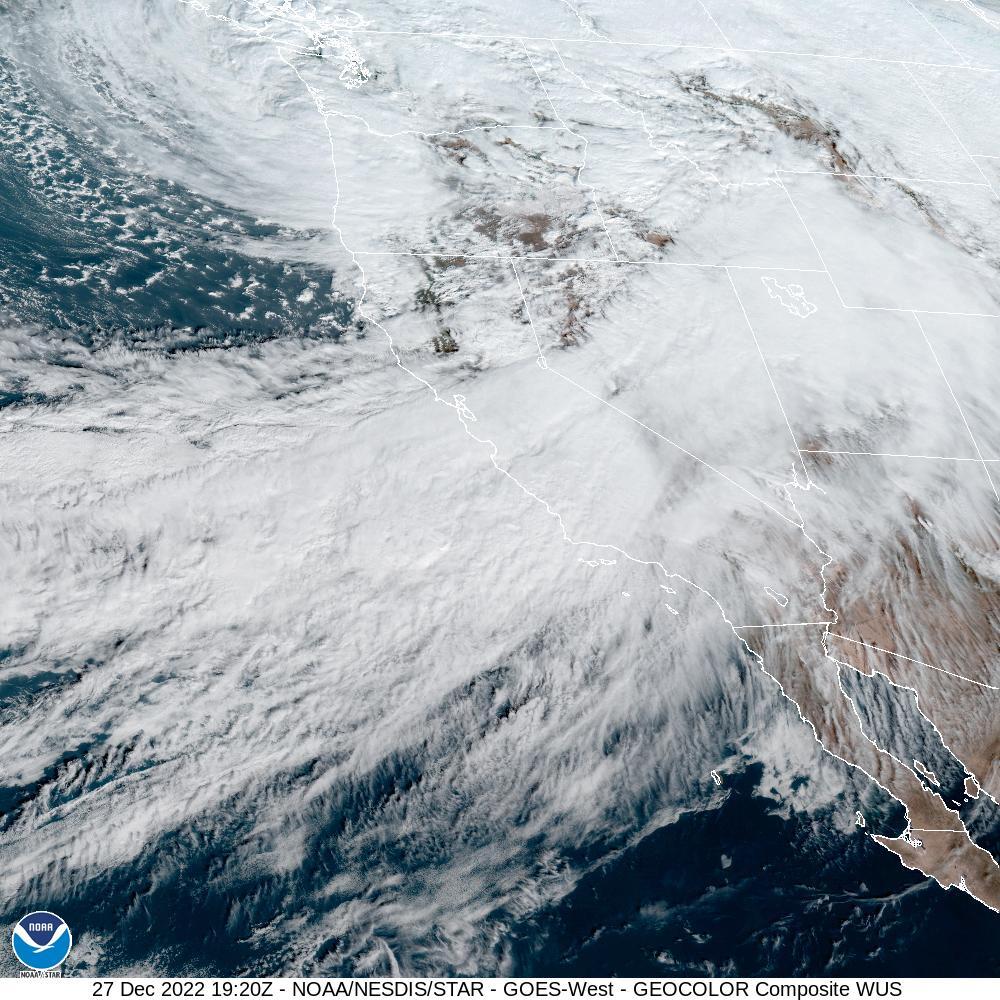
A slowdown in a major Atlantic Ocean current could intensify dangerous storms and increase flooding along California's coast while reducing snowfall over Greenland, according to new climate modeling research from UC Riverside.
What Happened
A major Atlantic Ocean current is slowing, and new research from the University of California, Riverside suggests the change could strengthen powerful storms along the California coast while reducing snowfall over Greenland. The research, published in Nature Communications on July 28, 2026, examines the effects of a weakening Atlantic Meridional Overturning Circulation (AMOC).
How It Works
The Atlantic Meridional Overturning Circulation, or AMOC, is a vast system of ocean currents that acts like a planetary conveyor belt. The AMOC works like a giant conveyor belt in the ocean, moving warm water from the tropics northward to heat places like Europe, then cycling the cooled, denser water back south along the ocean floor. As this circulation weakens due to climate change, it disrupts global atmospheric patterns thousands of miles away.
Key Findings
The model found that AMOC weakening raised winter atmospheric-river frequency along the west coast of North America by as much as 5.21 percent. More dramatically, in wintertime California, the modeled AMOC contribution to atmospheric-river precipitation averaged 0.18 meters, or 18 centimeters, per year and reached 44 centimeters in some locations. The changes could raise flood risks, strain infrastructure, and reshape water supplies far beyond the Atlantic.
Why It Matters
Atmospheric rivers are a double-edged sword in California, supplying up to 50 percent of annual rainfall in the western US, especially California, and are the main driver of the state's volatile water supply. Atmospheric rivers frequently generate floods, even during droughts, that endanger individuals, destroy homes and infrastructure, and impact water quality statewide. Understanding how far-distant ocean circulation changes affect regional storms is critical for long-term water management and disaster preparedness.