
US Revokes Iran Concession as Strait of Hormuz Shipping Attacks Escalate
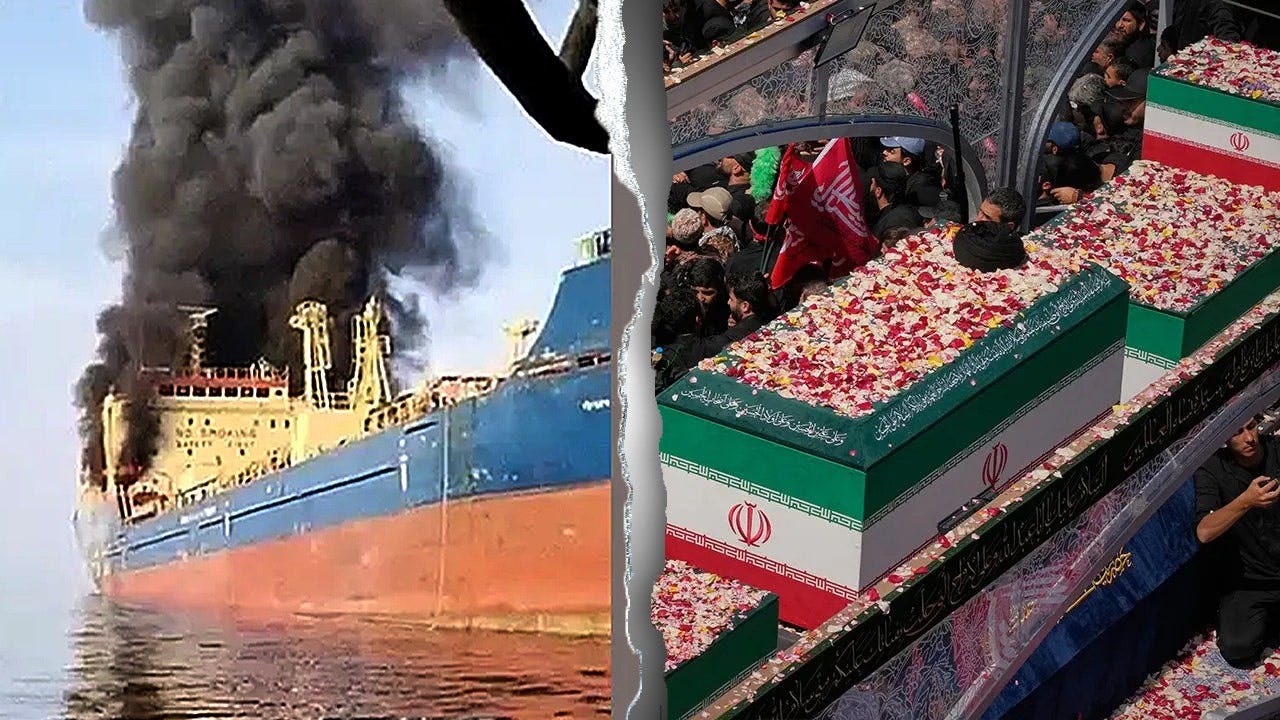
The Trump administration has revoked a key concession to Iran after fresh attacks on commercial ships in the Strait of Hormuz, threatening one of the world's most critical energy corridors and raising questions about the fragility of the US-Iran ceasefire agreement.
Energy Corridor Under Threat
The attacks on commercial ships in the Strait of Hormuz have prompted the Trump administration to revoke a key concession offered to Iran under a ceasefire agreement, raising fresh questions about whether the fragile truce can survive long enough for the two sides to negotiate a broader peace deal. Roughly one-fifth of the world's seaborne oil passes through the Strait of Hormuz, making disruptions to commercial shipping a potential risk to global energy markets and U.S. strategic interests.
Recent Escalation
This followed two ships being hit Monday, with these latest incidents representing a significant threat to international maritime commerce and energy supplies. The incident underscores tensions that have persisted despite diplomatic efforts to maintain the ceasefire.
Broader Context
The revocation of the US concession represents a major shift in diplomatic strategy, signaling that the Trump administration is willing to abandon negotiated agreements when provoked. The Strait of Hormuz attacks have become a flashpoint in US-Iran tensions, with both sides engaging in calculated demonstrations of military capability and resolve.
International Response
The incidents have drawn immediate diplomatic attention, with concerns mounting among international partners and energy markets. The stability of global energy prices now hinges on whether either side backs down from its current confrontational posture.