
U.S. Military Strikes Iran as Nuclear Talks Hang in Balance
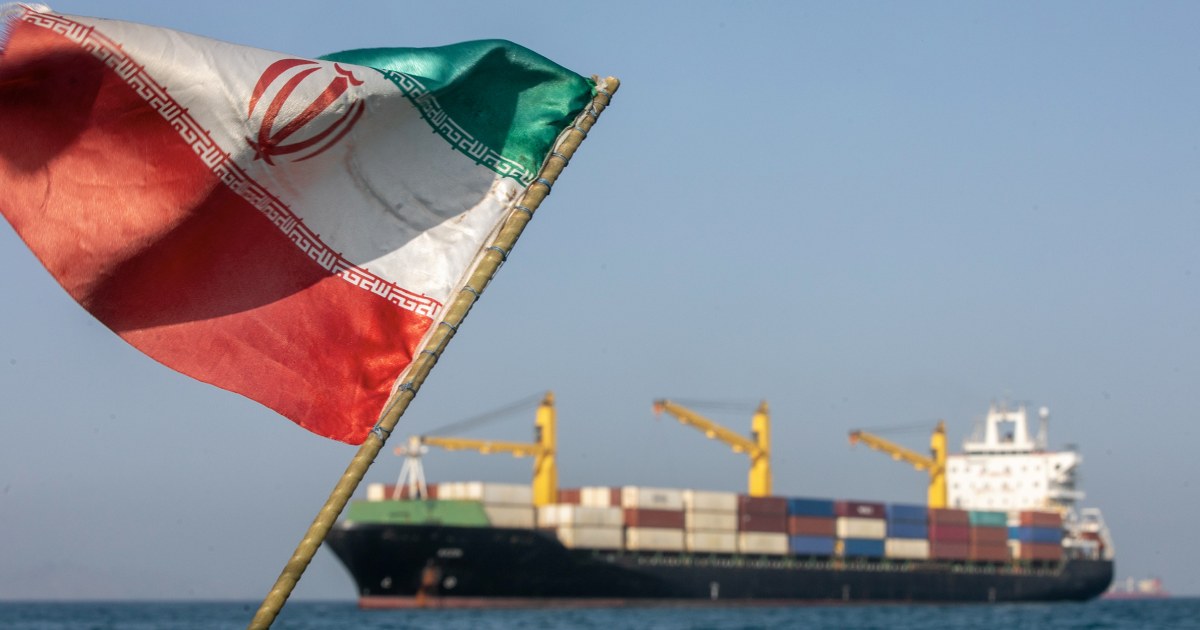
The U.S. military launched "self-defense" strikes on Iranian missile sites and boats near the Strait of Hormuz Monday, threatening the fragile ceasefire between the nations. The attacks came even as President Trump claimed negotiations with Iran were "proceeding nicely" and demanded stricter terms on Iran's nuclear stockpile.
Military Action Amid Ceasefire
The U.S. military conducted "self-defense strikes" targeting Iranian missile launch sites and boats around the Strait of Hormuz on Monday amid a ceasefire between the two countries and ongoing negotiations to end the war, according to US Central Command. The strikes were in Bandar Abbas, in southern Iran, near the Strait of Hormuz, a defense official said. "U.S. forces conducted self-defense strikes in southern Iran today to protect our troops from threats posed by Iranian forces," CENTCOM spokesman Timothy Hawkins told CNN in a statement when asked about explosions reported around the Strait of Hormuz. "Targets included missile launch sites and Iranian boats attempting to emplace mines."
Negotiations and Nuclear Demands
The strikes came hours after Iranian negotiators met with Qatari mediators in Doha for talks in coordination with the US. The US and Iran are working toward a "memorandum of understanding," but disputes over language concerning Iran's nuclear program and sanctions have held up a deal. Trump demanded a resolution to the issue of enriched uranium inside Iran, a key sticking point in the ongoing negotiations to end the war. The president has repeatedly called for Iran's current stockpile to be removed from the country and sent to either the U.S. or another location.
Trump's Abraham Accords Condition
US President Donald Trump has "mandatorily" requested that Middle Eastern and other countries sign the Abraham Accords after a deal to end the war with Iran is reached. The strikes come amid a potential deal between both sides on ending the war, and that will allow for the reopening of the Strait of Hormuz. Trump on Monday said any agreement to end the Iran war should include a requirement for several additional countries, including Saudi Arabia and Pakistan, to join the Abraham Accords, the US-brokered agreements from Trump's first term aimed at normalizing relations with Israel. Trump pointed to Saudi Arabia and Qatar as countries that should "immediately" sign on, alongside Pakistan, Turkey, Egypt and Jordan.
Ongoing Ceasefire Status
There was no announcement of any change in the temporary ceasefire between the U.S. and Iran, which went into effect April 8. While Iranian officials have yet to comment on the US strikes, Iranian state-linked media outlets have framed them as a violation of the current ceasefire agreement. The military action risks derailing ongoing peace negotiations that have already faced multiple setbacks over disagreements on nuclear issues and regional participation.