
US-Israel-Lebanon Framework Agreement Announced by Rubio as Path to Lasting Peace, Amid Iran Sabotage Concerns
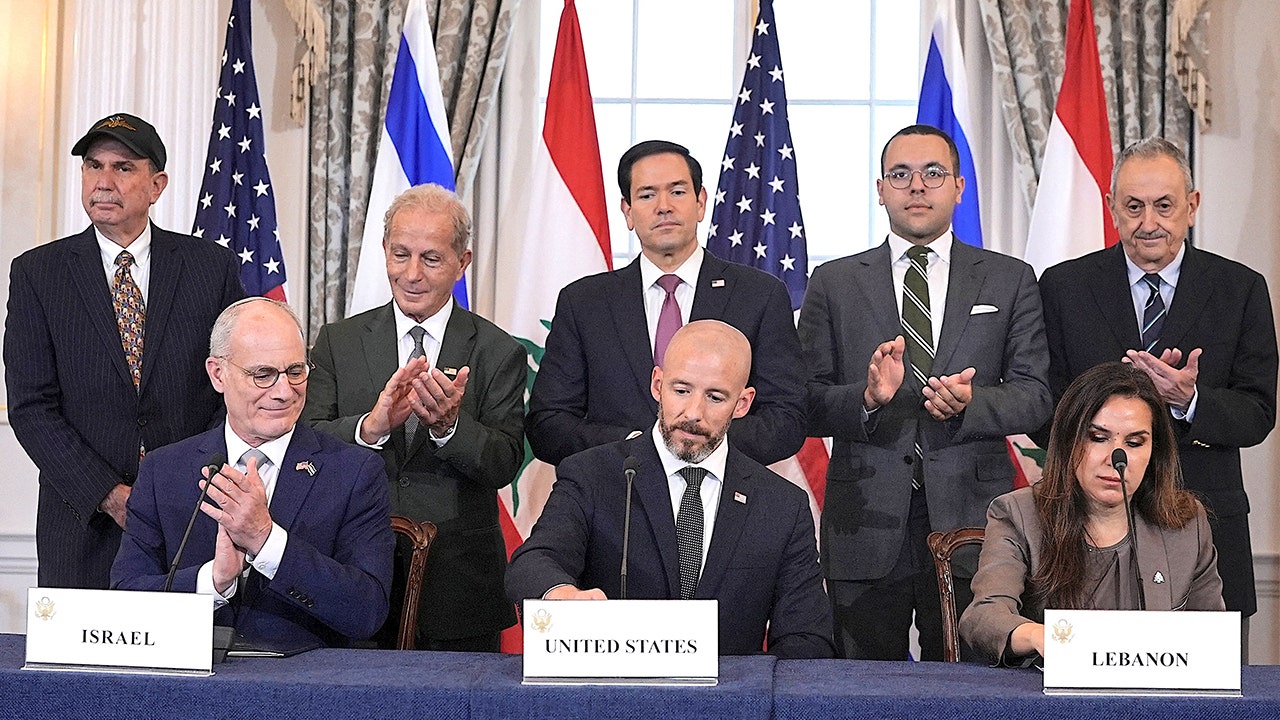
Secretary of State Marco Rubio and Israeli Prime Minister Benjamin Netanyahu announced a US-brokered framework agreement between Israel and Lebanon aimed at creating a path to lasting peace and security. However, experts warn that Iran will work to undermine the deal and that broader Middle East tensions could jeopardize implementation.
Historic Agreement Announced
Marco Rubio and Benjamin Netanyahu welcomed a U.S.-brokered framework agreement between Israel and Lebanon as a first step toward lasting peace and security. The announcement represents a significant diplomatic achievement for the Trump administration's efforts to de-escalate conflicts in the Middle East and establish a negotiated resolution between Israel and the Iran-backed Hezbollah movement through Lebanese government channels.
Framework Structure and Implementation
The US-brokered framework agreement will see the Israel Defense Forces begin to withdraw from small parts of southern Lebanon, amid the ongoing fighting between the Jewish state and the Iran-backed Hezbollah terror group. The phased withdrawal approach suggests a gradual reduction of Israeli military presence contingent on security arrangements and ceasefire compliance, providing a structured pathway for de-escalation rather than an immediate full withdrawal.
Regional Complications and Concerns
Despite the announcement's optimism, experts have raised significant concerns about the agreement's durability and implementation. The framework faces immediate challenges from multiple directions: Iranian opposition, Hezbollah's capacity to disrupt the agreement, and broader regional tensions stemming from the ongoing Iran-US conflict and Israeli operations in Gaza. The announcement came amid concurrent escalations, including Iranian drone attacks on Bahrain and Israeli strikes in southern Lebanon, suggesting that multiple parties remain willing to test the boundaries of the agreement.
Diplomatic Significance
The agreement demonstrates the Trump administration's commitment to using direct diplomatic engagement and shuttle diplomacy to resolve Middle East conflicts without comprehensive multilateral negotiations. Secretary Rubio's prominent role in the negotiations underscores the importance the administration places on achieving regional stability as a foundation for broader strategic objectives in confronting Iranian influence throughout the Middle East region.