
US and Iran Reach Deal to End War; Pakistan Prime Minister Confirms Peace Agreement
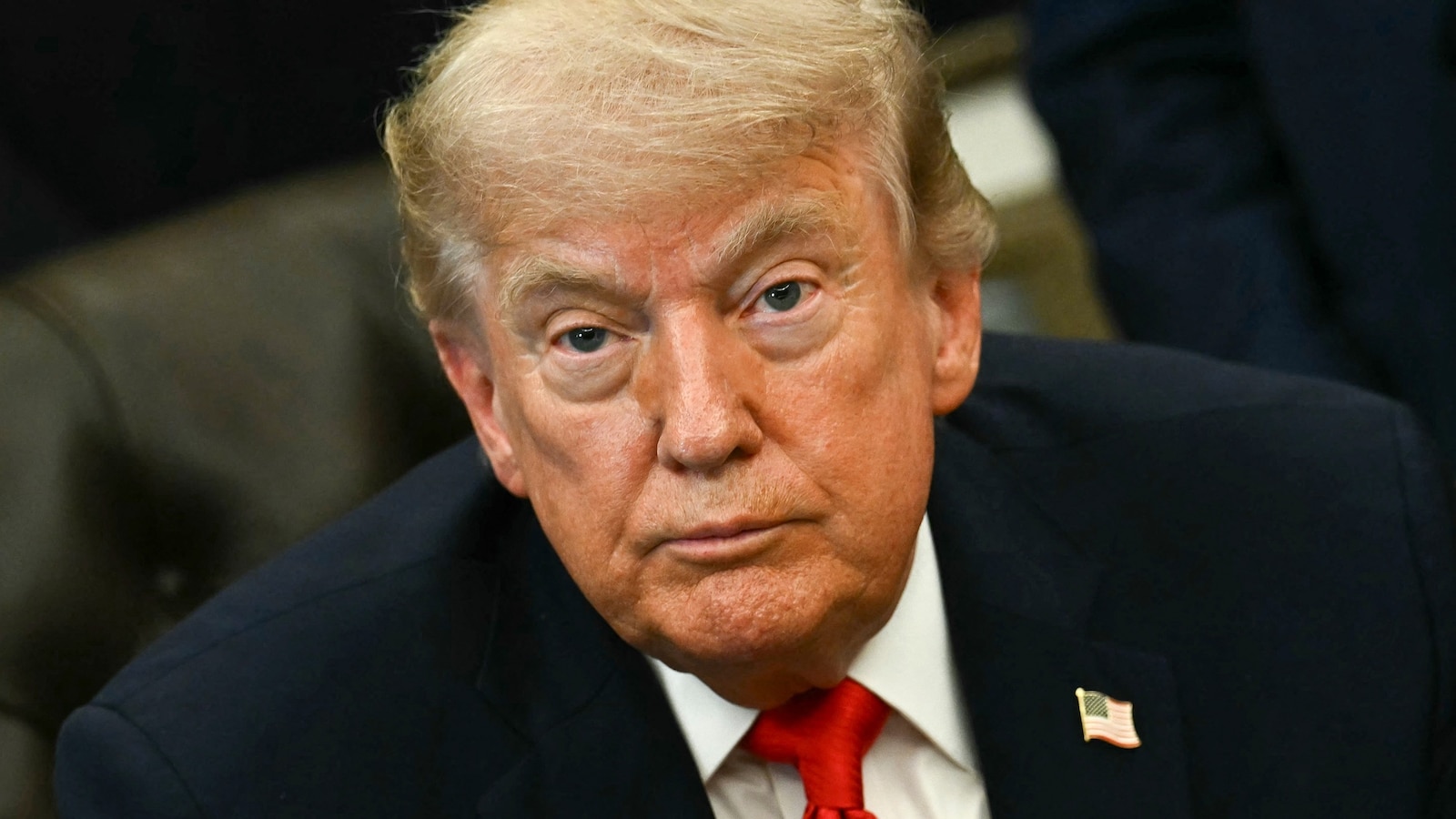
After months of conflict and negotiations, the United States and Iran announced a comprehensive peace agreement to end their war, with Pakistan's Prime Minister confirming the breakthrough that could also include resolution of the Lebanon conflict.
Historic Peace Announcement
The U.S. and Iran's comments came after Pakistan Prime Minister Shehbaz Sharif announced the peace deal was made. This marks a dramatic shift after President Donald Trump announced "major combat operations" against Iran on Feb. 28, with massive joint U.S.-Israeli strikes targeting military, government and infrastructure sites.
Negotiation Timeline
Following the announcement of a two-week ceasefire, initial U.S.-Iran talks in Pakistan in April failed to reach a peace deal. Trump later announced the open-ended extension of the ceasefire and the continuation of a U.S. blockade until negotiations are concluded "one way or the other."
Key Deal Components
The emerging agreement represents one of the most significant diplomatic achievements of the Trump administration's second term. The deal would ensure Iran "will never have a nuclear weapon, which was the whole purpose of what we went through," Trump claimed. Earlier statements indicated that the agreement may include a release of $12 billion to Iran and nuclear talks beginning after the deal is signed.
Scope Beyond Iran
The peace framework reportedly extends beyond U.S.-Iran relations to address regional conflicts. The agreement is said to encompass the Lebanon situation and aims to establish new terms for regional stability. Trump told the Times in an interview that the agreement he reached with Iran would ultimately assure that the Strait of Hormuz is "permanently toll free."
Next Steps
The official signing ceremony is expected to occur Friday, with representatives including U.S. Vice President JD Vance set to execute the agreement on behalf of the United States.