
Trump Signs AI Executive Order on Security and Pre-Release Testing
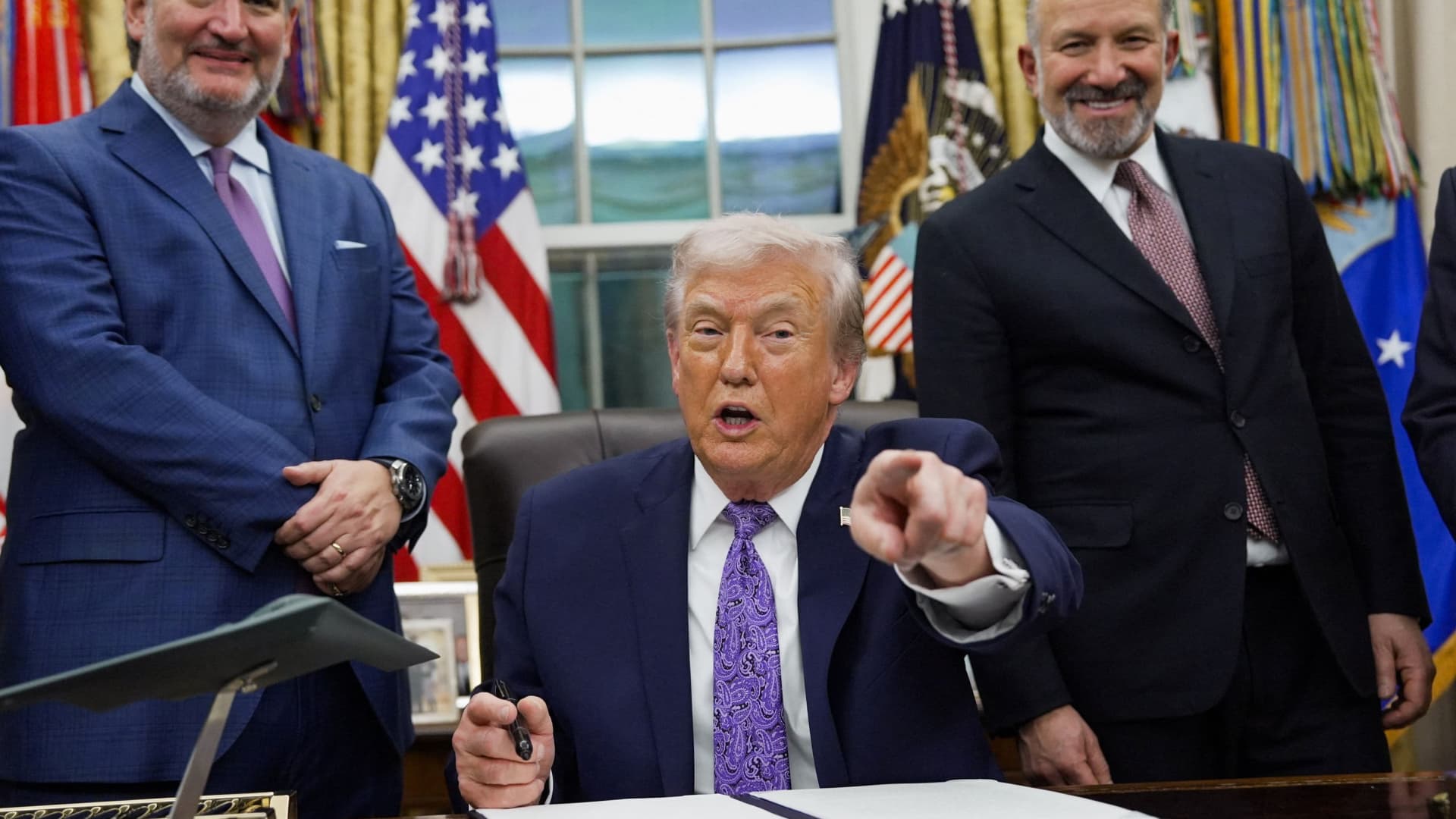
President Trump signed an executive order asking AI companies to voluntarily submit their most powerful models for government testing up to 30 days before public release, marking a shift toward oversight despite the administration's earlier hands-off approach to AI regulation.
The Order and Its Requirements
President Trump signed a long-awaited executive order on Tuesday that aims to mitigate security threats posed by artificial intelligence, in a shift from the administration's hands-off approach to the technology. The order asks AI companies to voluntarily submit their most powerful models for the government to test up to 30 days before releasing them to the public. It also directs federal agencies to develop benchmarks to assess AI models' cyber capabilities, to create an "an AI cybersecurity clearinghouse" to review and share information on vulnerabilities, and to shore up the government's security defenses.
A Policy Reversal
While the Biden White House pushed for federal oversight of the emerging technology, Trump has sought to minimize regulation, including at the state level, even as concerns over safety risks have proliferated. But recently, the development of more powerful AI models has spooked some federal officials, prompting the White House to reverse course and back some safety measures. In particular, Anthropic's announcement in April that it was limiting the release of its new Mythos Preview model because of its ability to identify and exploit software security vulnerabilities set off alarm bells across Silicon Valley and Washington.
Voluntary Rather Than Mandatory
Notably, the order relies on voluntary cooperation from the tech companies leading AI development, such as OpenAI, Anthropic, and Google. This approach preserves industry flexibility while establishing a framework for security review—a middle ground that avoids the mandatory regulatory structure some had urged but acknowledges the genuine cybersecurity risks posed by advanced AI systems.
What Comes Next
The executive order represents a practical recognition that unregulated frontier AI models pose national security challenges, yet it stops short of creating binding regulatory authority. Implementation will depend heavily on whether leading AI companies treat the pre-release testing process as genuine security vetting or merely procedural compliance.