
Trump Imposes New 10% to 12.5% Tariffs on 60 Trading Partners, Citing Forced Labor
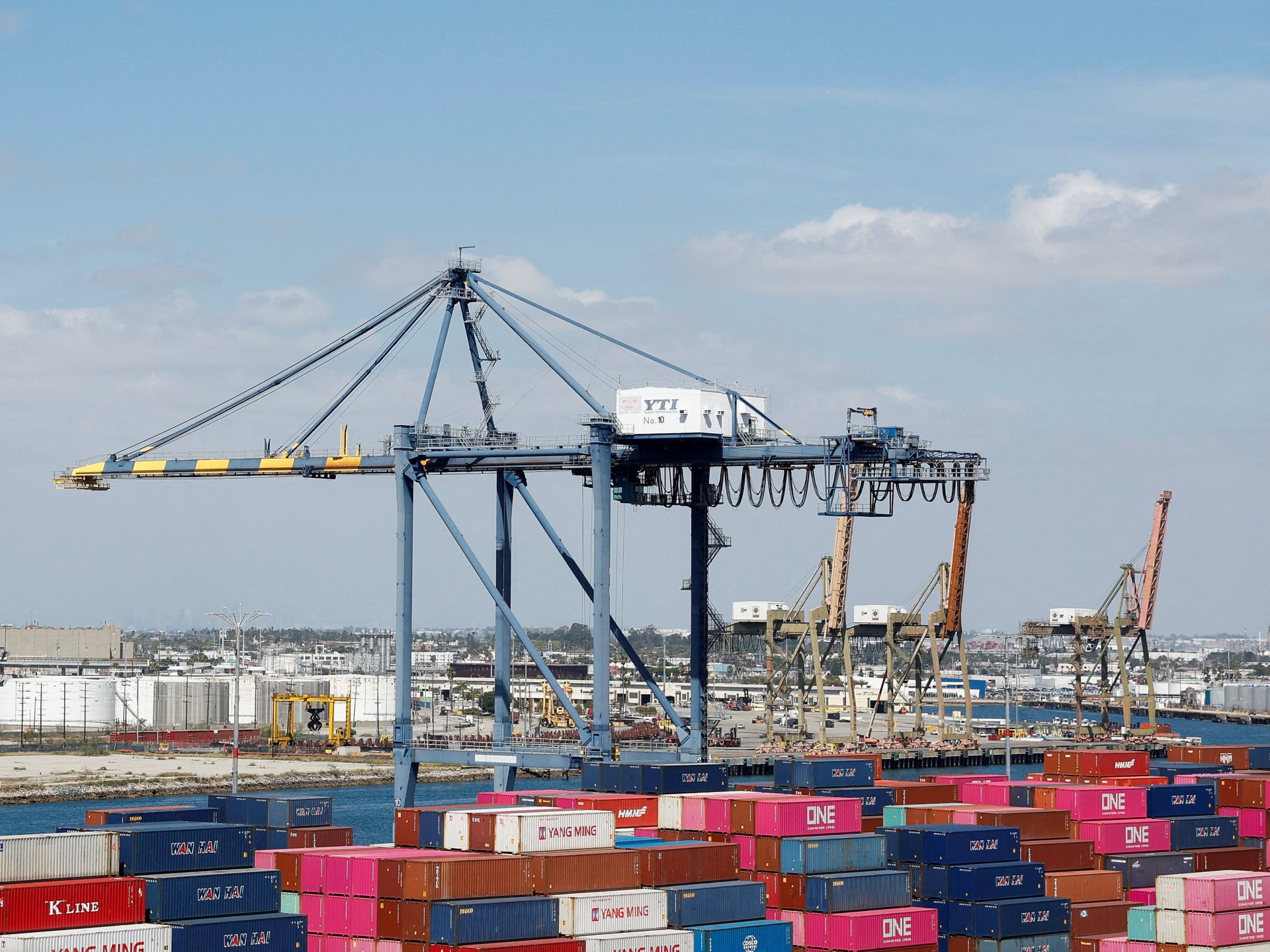
President Trump announced sweeping new tariffs on more than 60 countries and the European Union on July 24, 2026, covering 99% of U.S. imports. The duties range from 10% to 12.5% and replaced temporary tariffs that expired at midnight Friday, following a Supreme Court defeat earlier this year that struck down his broader emergency tariffs.
New Tariff Wave Takes Effect Immediately
The US will collect duties of 10% to 12.5% on imports from almost 60 countries and the European Union, effective Friday, according to a filing by the U.S. Trade Representative's office. Sixty trading partners, including all of America's most important ones, will face tariffs of 10% to 12.5%. Some of the trading partners facing a 10% tariff include Canada, Mexico, India and the United Kingdom.
Forced Labor Justification Disputed
The rationale was that the targeted economies failed to prevent forced labor in their supply chains. However, the breadth of the levies — they cover 99% of U.S. imports — suggests another motivation: replacing worldwide tariffs that Trump imposed last year only to see them struck down by the Supreme Court in February. Multiple U.S. trading partners rejected this reasoning. EU foreign policy chief Kaja Kallas questioned Trump's rationale, stating: "If you compare our labor laws to the ones of the United States, I mean, we have, people have paid vacations, we have very good conditions, labor conditions, for our employees, so it's not really grounded".
Supreme Court Setback Triggers New Strategy
The U.S. Supreme Court had ruled earlier this year that many of the tariffs imposed under emergency powers were unconstitutional. The new levies replace stopgap tariffs the administration imposed after the Supreme Court struck down President Donald Trump's global "Liberation Day" tariffs in February. Trump's new tariffs, designed to be more lasting than prior efforts, were issued under Section 301 of the Trade Act of 1974, which allows the president to levy tariffs on countries engaging in unjust trade.
Complex Landscape Emerges
This growing patchwork of tariffs on specific countries and products may mean an increasingly complicated scheme for importers to follow. According to a Georgetown Law School professor specializing in trade law: "It has created a much more complex landscape with all of the three-digits going at once and having to figure out: do they add, how does one fit with the other, what are the exceptions?" "It is a far more complex landscape, I think, than it was a year ago."
More tariffs could be coming — there's a current Section 301 investigation into more than a dozen countries and the EU. The administration says those countries are being unfair in their manufacturing — for example, by overproducing.
Sources
- https://www.washingtonpost.com/politics/2026/07/24/tariffs-forced-labor-trump-supreme-court/a2db70ec-879f-11f1-9cec-0fb26676f07e_story.html
- https://www.bloomberg.com/news/articles/2026-07-24/trump-extends-10-tariff-baseline-in-broad-use-of-trade-powers
- https://www.npr.org/2026/07/24/nx-s1-5905783/trump-tariff-trade-global-canada