
Trump Administration Rejects Iranian Seven-Day Ceasefire Proposal in Ongoing Conflict
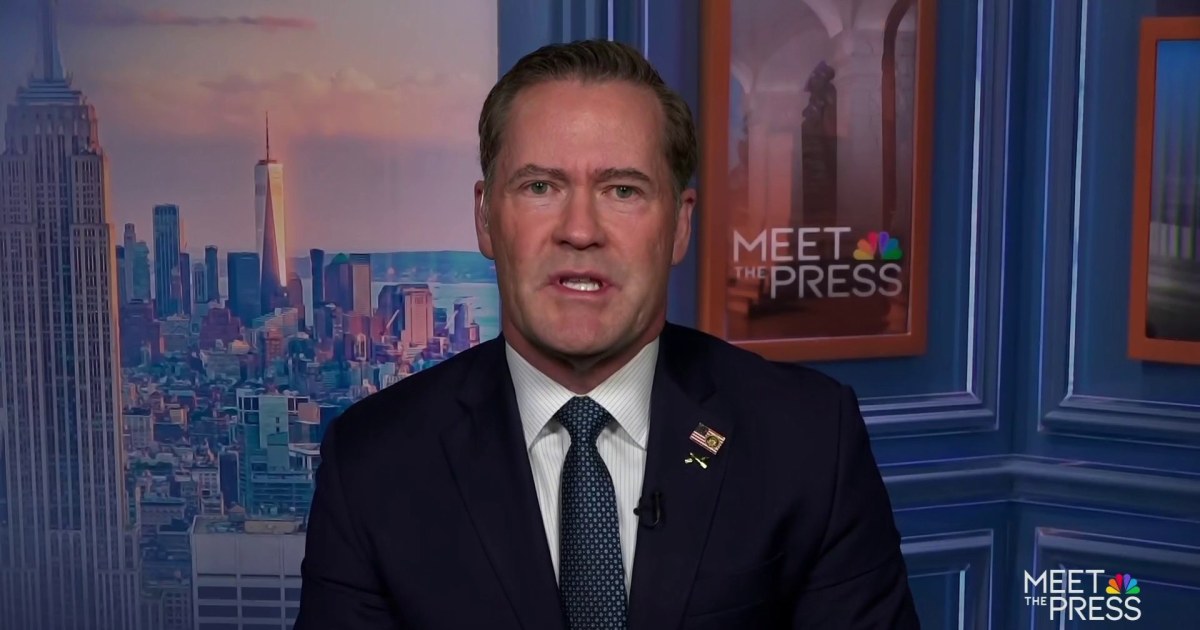
U.S. Ambassador to the UN Mike Waltz characterized Iran's proposed seven-day ceasefire as a cynical attempt at ending the war, indicating the Trump administration's rejection of the negotiated peace offer during recent conflict escalations.
Rejection of Ceasefire Proposal
In an interview with Meet the Press, U.S. Ambassador to the United Nations Mike Waltz details why President Trump rejected an Iranian-proposed seven-day ceasefire to end the war with Iran. Amb. Mike Waltz calls proposed Iran deal a 'cynical attempt' at ending war in a full interview on Sept. 27, 2026.
Diplomatic Context
The rejection of Iran's ceasefire proposal comes amid ongoing military tensions between the United States and Iran. The proposed seven-day pause in hostilities represents a diplomatic initiative aimed at de-escalating conflict, yet the Trump administration has signaled skepticism about its sincerity and effectiveness.
Regional Implications
The ongoing Iran conflict has been characterized by periods of military strikes, failed negotiations, and fragile ceasefires. The latest rejection suggests the Trump administration believes any temporary ceasefire would be used tactically by Iran rather than as a genuine path toward sustained peace. This stance reflects broader U.S. policy of maintaining pressure on Iranian military and strategic interests.
Broader Strategic Situation
The conflict has drawn international attention and raised concerns about regional stability in the Middle East. Russia has previously pledged support for Iran in its conflict with the United States, complicating diplomatic efforts. The rejection of this ceasefire proposal indicates the Trump administration's commitment to its current military and diplomatic strategy rather than accepting short-term pauses in hostilities.