
Treasury Yields Spike as Inflation Concerns Deepen: 30-Year Bonds Top 5%, Echoing Historical Warning Signs
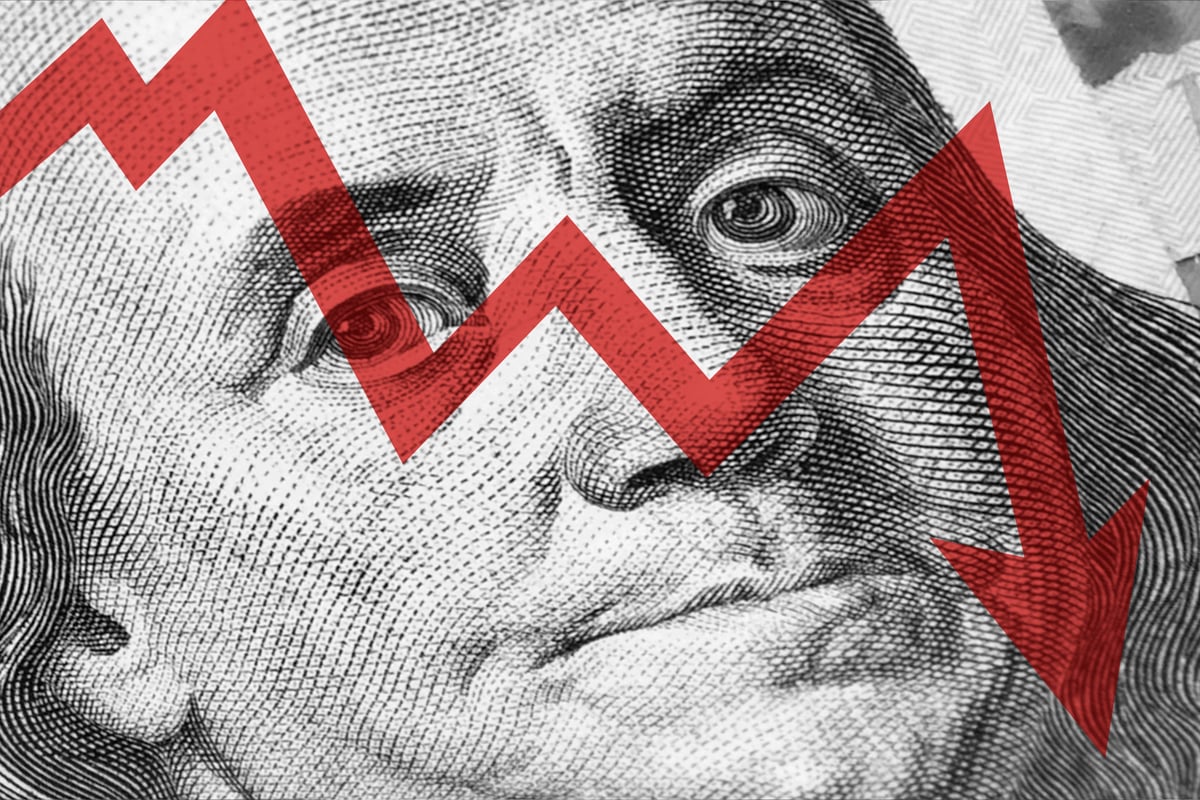
The 30-year Treasury yield topped 5% for 11 consecutive trading days in May 2026, a rare occurrence that historically has preceded sharp stock market declines. Rising inflation and expectations for future Federal Reserve rate hikes are driving bond investors away from equities, creating a critical test for markets already at all-time highs.
Historic Yield Milestone Raises Red Flags
The 30-year Treasury yield topped 5% for 11 consecutive trading days in May; the stock market dropped sharply the last time that happened. By week's end, the curve reflected repricing: 2-year yields hovered just above 4.00%, 10-year notes settled near 4.43%, and the long bond approached 4.97%.
Inflation Driving Bond Market Repricing
A sharp rise in government bond yields resulted from shift in sentiment about inflation and monetary policy. At the time of writing, the yield on the US government's 10-year bond is close to 4.59%—the highest since May 2025. It is expected that persistently high oil prices could significantly add to global inflation. Recent data shows that inflation has already accelerated sharply in major economies.
Implications for Stock Valuations
The stock market has rocketed higher in recent weeks as tensions in the Middle East have de-escalated to some degree. But Treasury bonds are starting to look quite attractive in light of rising yields. If yields stay elevated, investors will be tempted to pull money out of stocks, and that could drag the major market indexes lower.
Investors expect rates to increase at least 25 basis points in the next year. Higher rates tend to hurt the stock market, partly because corporate earnings grow more slowly as higher borrowing costs suppress spending, and partly because higher rates compress stock market valuations.
Warren Buffett's Insight on Interest Rates and Valuations
Warren Buffett once explained: "The most important item over time in valuation is obviously interest rates. If interest rates are destined to be at low levels, it makes any stream of earnings from investments worth more money. The bogey is always what government bonds yield. When interest rates are destined to be at high levels, it makes any stream of cash flows from investments worth less money".