
Supreme Court Rules on Mail-in Ballots and Expands Presidential Power Over Regulators
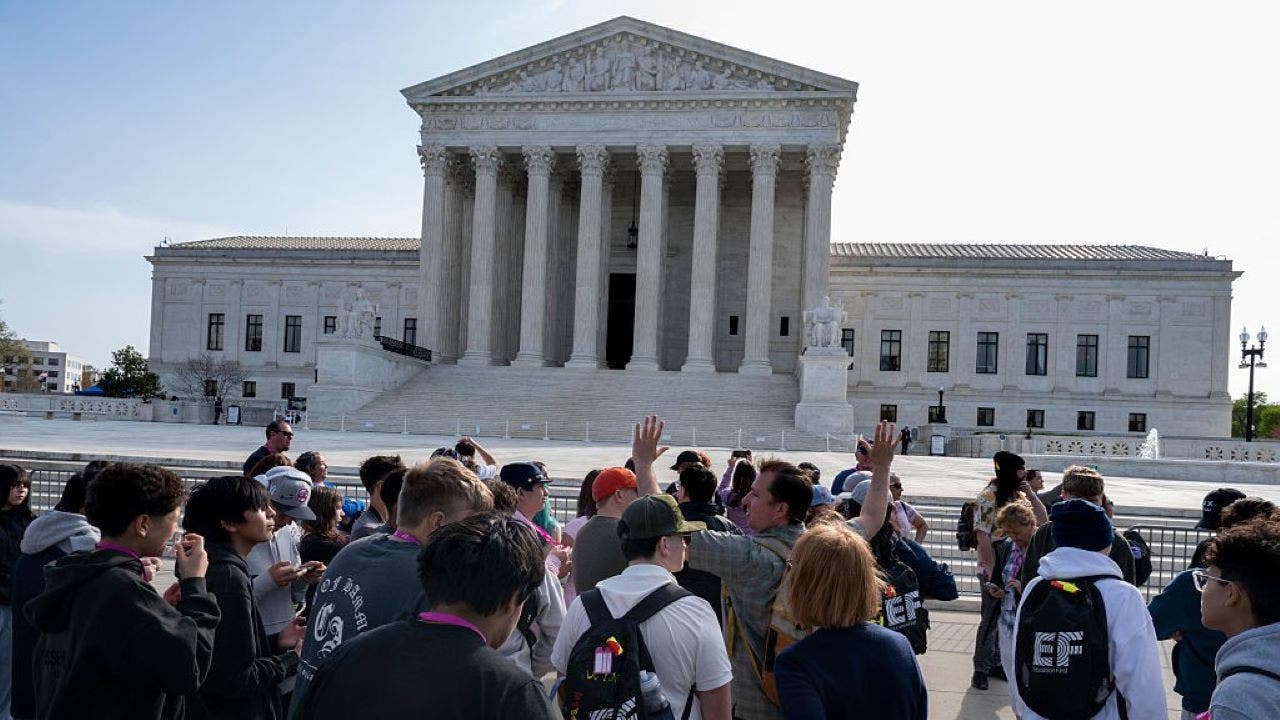
The Supreme Court issued two significant rulings on election law and regulatory oversight, allowing states to count mail-in ballots received after Election Day if mailed on time, while also blocking Trump from firing Federal Reserve governor Lisa Cook.
Mail-in Ballot Decision
The Supreme Court ruled 5-4 that states may count mail-in ballots received after Election Day if they were mailed on time, preserving rules in Mississippi and other jurisdictions ahead of the midterms. This decision protects existing state policies that allow for ballot counting windows extending past Election Day, ensuring that legitimate votes are not discarded based on postal delays.
Federal Reserve Appointment Protection
In a related ruling on presidential power, the Supreme Court blocked Trump from removing Federal Reserve Governor Lisa Cook, establishing important protections for the independence of the nation's central banking system. The court recognized the longstanding "tradition of central banking protected from political interference."
Broader Presidential Authority Expanded
The Court's rulings this week represent a mixed result for the Trump administration—while it expanded presidential authority over many independent agencies and regulators, it simultaneously protected certain positions designed to remain insulated from direct political pressure. The decisions come amid broader debates about the balance of power between executive and independent agencies.
Context for 2026 Elections
These rulings affect voting procedures and election administration ahead of the 2026 midterm elections, with the mail-in ballot decision potentially impacting millions of voters across multiple states.