
Stock Markets Fall as Treasury Yields Hit 19-Year Highs, Fed Official Backs More Rate Hikes
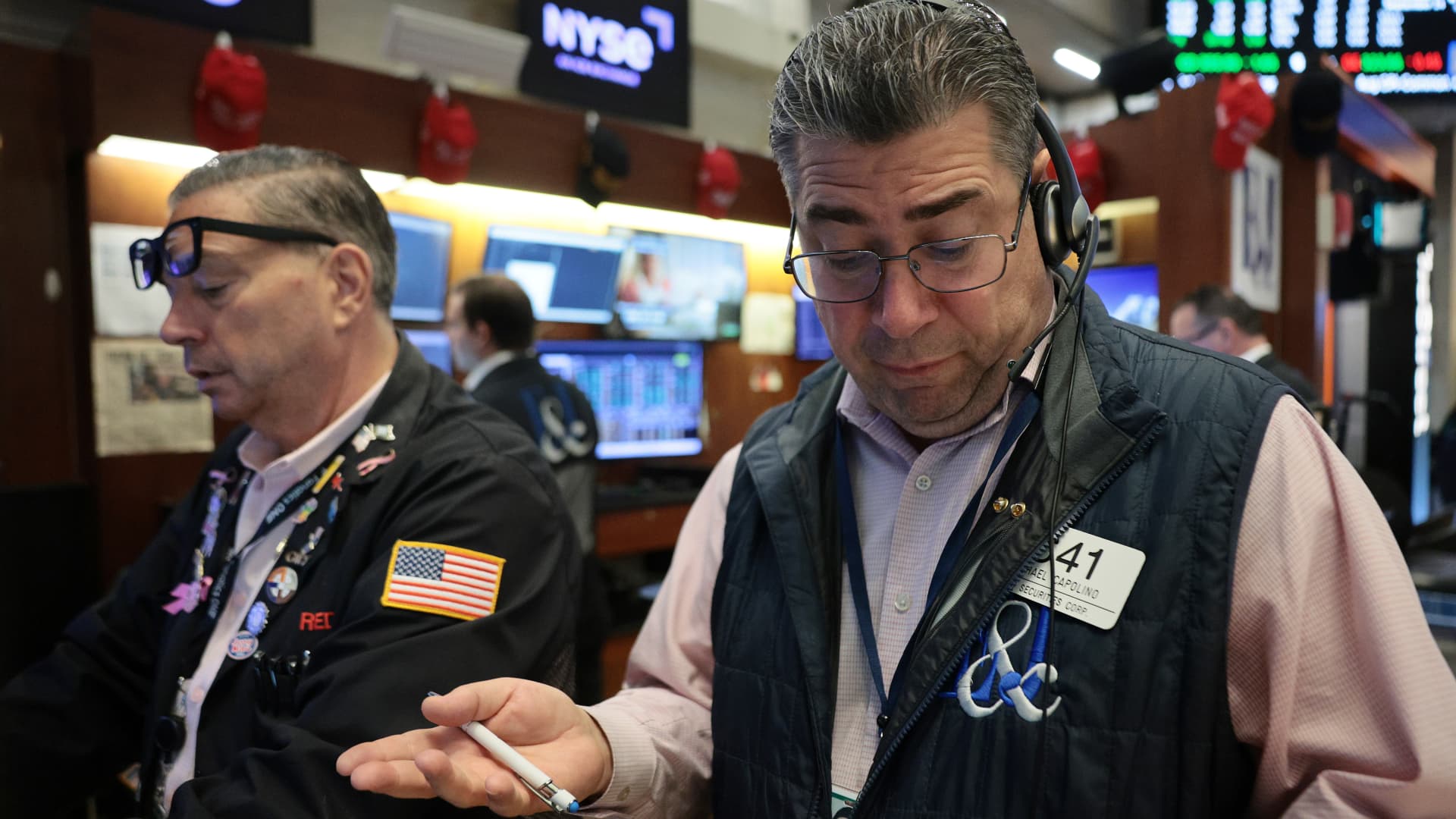
U.S. stock markets declined on September 24-25, 2026, as Treasury yields remained near 19-year peaks and Federal Reserve officials continued to advocate for additional interest rate increases to combat inflation.
Market Decline Amid Yield Surge
The Dow Jones Industrial Average fell for a third straight session on Thursday, as Treasury yields at multidecade highs continued to weigh on the most cyclical parts of the market, sliding 161.61 points, or 0.31%, to 51,349.98, while the S&P 500 ticked lower by 0.02% to 7,704.13. Stocks fell again as Treasury yields stayed near 19-year highs and another Fed official advocated another rate hike, with Trump meeting Xi with trade and oil on the agenda.
Yield Pressures Mount
Stocks fell early as yields kept climbing, stirred by weak debt auction demand, heavy borrowing, and rising oil, among other factors. US stock indices closed mixed on Thursday amid renewed bond and oil volatility, with the risk of tight financial conditions continuing to pressure chipmakers due to heavy debt issuance for AI infrastructure, with Nvidia, Intel, Marvell, and Micron trading down by up to 3%.
Tech Sector Weakness
Oracle fell 4.5% after declaring force majeure on setbacks to the development of a data center in New Mexico. The broader tech sector has been particularly vulnerable to rising borrowing costs as companies continue massive capital expenditures on artificial intelligence infrastructure. The bond market is already pushing long-term borrowing costs higher, with the yield on 10-year Treasurys topped 5% this week, as bondholders are demanding higher returns in response to inflation and the strong demand for capital from both the federal government and private borrowers.
Fed's Aggressive Stance
The recent market volatility comes after the Federal Reserve raised its benchmark interest rate by a quarter percentage point with policy makers voting 12-0 in favor of the increase, moving the central bank's target range on the overnight funds rate to 3.75% to 4%. The central bank's tougher stance on monetary policy comes as the Fed grapples with stubborn inflation, worsened by a recent rebound in oil prices, with Fed Chairman Kevin Warsh saying that neither he nor his fellow policymakers are happy with the current pace of inflation.