
Stock Market Rallies as Oil Falls, Mega-Cap Tech Leads Gains Ahead of Economic Data
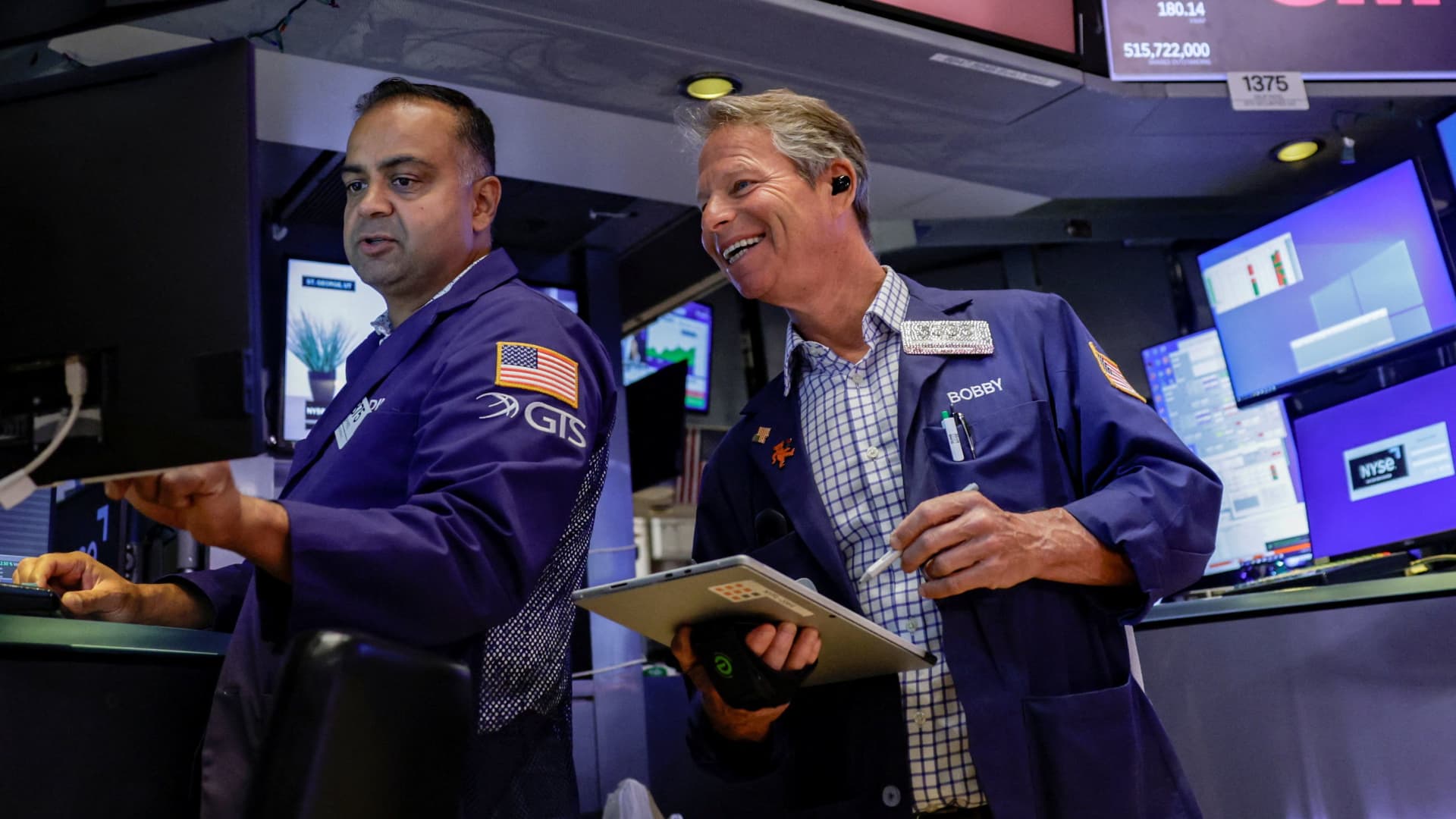
U.S. stock markets rose sharply on September 22 as oil prices declined and Treasury yields pulled back, with mega-cap tech stocks and AI-related shares surging. The S&P 500 climbed back near record highs as investor sentiment shifted on easing inflation expectations.
Market Performance Surges on Commodities Decline
The S&P 500 rose 1.5%, trading back within 1% of a new all-time high, with META leading the rally (+11%) as its Muse AI agent saw a surge of demand, which filtered down the tech stack and especially chip names (ICE Semis +5%). Stocks rose in early trading as oil prices and Treasury yields fell and the AI trade regained its footing, with chipmakers gaining ground.
Stocks listed in Europe moved lower in early trading, with the regional Stoxx 600 index down 0.1% and major bourses dipping into negative territory, with Germany's DAX leading losses. However, South Korea's Kospi rose 0.15% to 7,017.91, while Australia's benchmark S&P/ASX 200 gained 0.30% to 8,757.80.
Treasury Yields Edge Lower as Inflation Expectations Ease
Treasury yields last edged lower Tuesday, with the yield on the 10-year trading at 4.959%. Even prior to the Federal Reserve's move to hike its key interest rate by a quarter point last week, Treasury yields have been trending higher as the economy contends with rising debt, elevated oil prices and stubborn inflation. Bond yields are following oil prices lower, with the 10-year Treasury yield at 4.95%, with part of the recent move appearing to reflect lower inflation expectations, an important component of bond yields.
Investor Sentiment Shifts Amid Rate Hike Concerns
According to Tom Garretson, senior portfolio strategist of fixed income strategies at RBC Wealth Management, "I don't think markets have fully appreciated what a rate hike cycle even with a higher yield environment might mean," and he warned "there's probably a pretty persistent risk that the Fed could certainly keep raising rates at least two more times and potentially back towards 5% into early 2027".
The latest AAII Investor Sentiment Survey pointed heavily toward the negative side, with respondents who called themselves "bearish" rising to 53.3%, the highest since May 2025. Last week ended with only around 30% of S&P 500 stocks above their 50-day moving average.
Global Economic Concerns
The U.K. economy has grown more strongly than expected this year, but economists warn the impact of higher energy costs related to the Iran war could drag in the second half of the year. The U.S. Dollar Index ($DXY) hit six-week highs last week after the Fed raised rates, climbing above 100 and topping its 50-day moving average for the first time since late July.