
Stock Market Outlook: June Brings Test of Fed Policy, Iran Peace Hopes Keep Yields Low
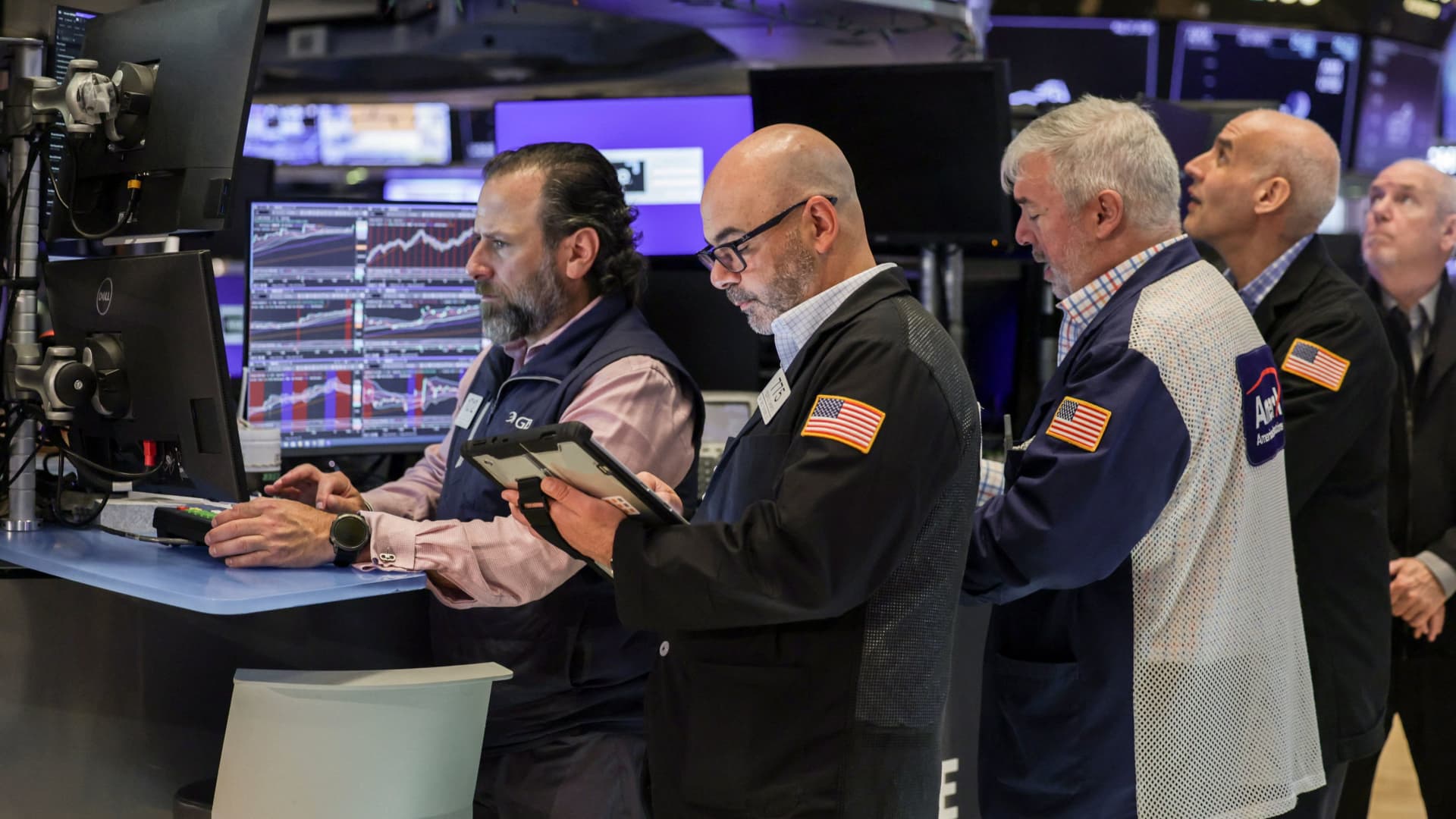
U.S. stock markets enter June facing tests on inflation data and Fed credibility, with the Iran conflict resolution—critical to oil prices—remaining uncertain as the Nasdaq eyes continued AI-driven gains despite seasonal headwinds.
Markets Rally on Iran Peace Hopes
Stocks ended the month of May at all-time highs, continuing their rebound off the March lows on growing confidence that the Strait of Hormuz will reopen soon. The Nasdaq Composite was up more than 8% since the end of April. This week gave some hint into what a response to a resolution would be like, as bond yields declined, oil prices retreated and the major stock averages rallied on hopes the Trump administration is nearing a peace deal.
However, President Trump's nuclear demands remain a key sticking point for any agreement. On Friday, the president said that Iran "must agree that they will never have a Nuclear Weapon," and said he was convening in the Situation Room to deliberate a "final determination."
June's Critical Calendar
The unemployment rate is expect to remain steady at 4.3%. Outside of a major surprise, the market is likely to take the number in stride, as investors adapt to a "low hire, low fire" environment. However, Gregory Daco, chief economist at EY-Parthenon, expects that wage growth could come under pressure, constraining future consumer spending.
Much of what happens with consumer spending could come down again to the length of the war with Iran, and what happens to oil — and gasoline — prices. The April personal consumption expenditures price index reported this week showed a drop in Americans' savings rate, which could mean less of a buffer to absorb future shocks.
Seasonal and Technical Headwinds
Seasonally, there are other challenges for stocks. June is the worst month for stocks in a midterm election year, and investors largely expect that the market could be due for a period of short-term consolidation. Despite strong earnings growth in AI and semiconductors, valuation questions persist.
The Bet Ahead
"The real bet you got to make here is that we're coming to a resolution here, slowly but surely, on Iran, and it happens in the next two, three weeks," Wayve Capital's Williams said. "I really don't think we could be talking about the Strait of Hormuz being closed in October, and not have a market reaction." Investors continue to weigh geopolitical risks against corporate earnings strength and AI-driven sector momentum.