
SpaceX Soars in Market Debut as Elon Musk's Rocket Company Launches IPO, Boosting Market Sentiment
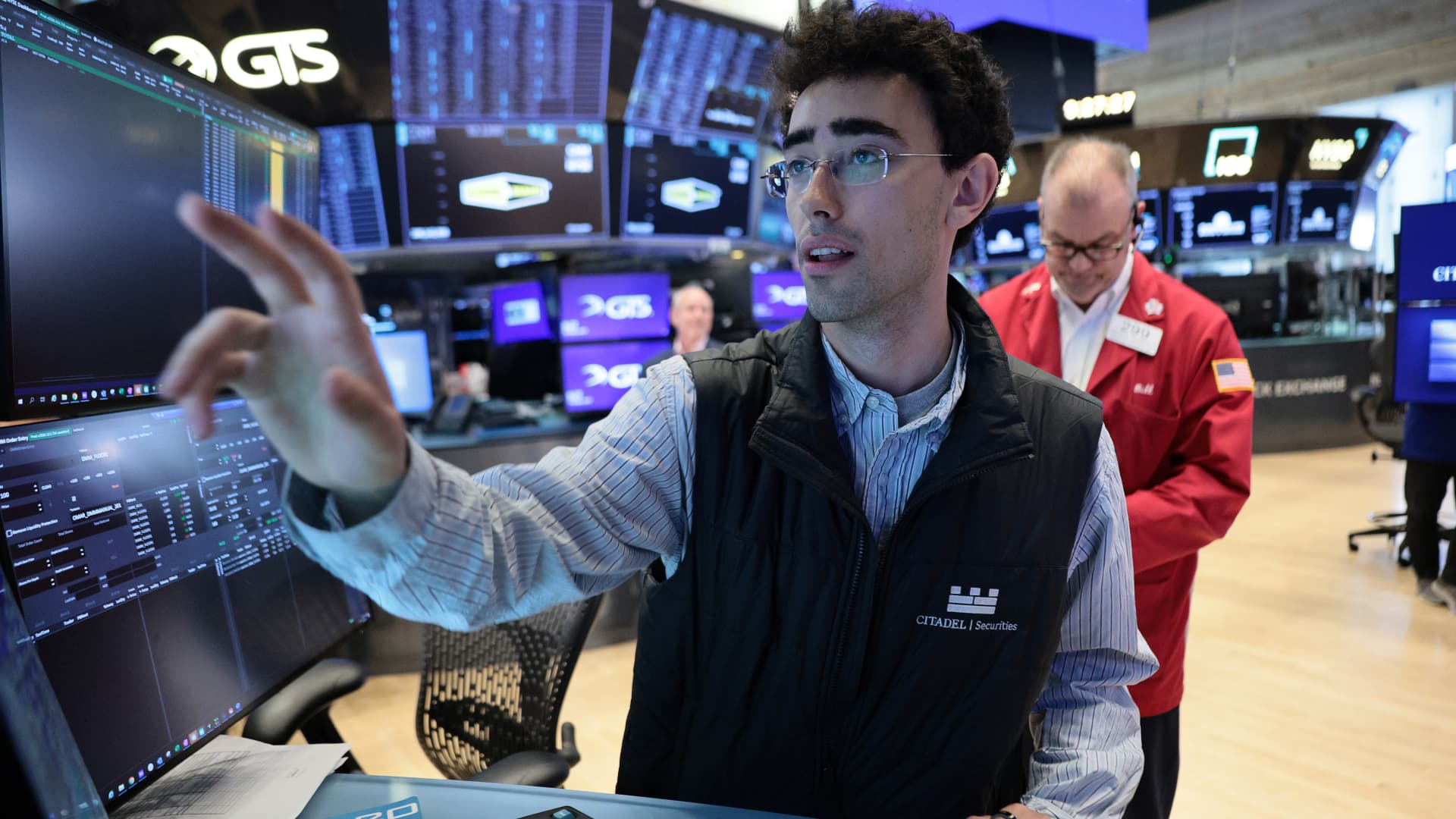
SpaceX became a publicly traded company on June 12, 2026, with its stock jumping 19% on its first day of trading. The strong debut boosted overall market sentiment and raised hopes for an imminent U.S.-Iran peace deal.
The IPO Milestone
Elon Musk's rocket maker debuted on the Nasdaq at $150 per share, above its $135 IPO price, and soared more than 20% shortly after it opened, closing up 19% at around $161. The company traded under the symbol SPCX on the Nasdaq exchange, marking a major milestone for the commercial space industry.
Market Impact and Investor Enthusiasm
Stocks rose on Friday as SpaceX's opening pop bolstered sentiment, with investors hoping for the arrival of a potential peace deal between the U.S. and Iran. The S&P 500 closed up 0.5% at 7,431.46, while the Nasdaq Composite added 0.31% to finish at 25,888.84, and the Dow Jones Industrial Average advanced 353.51 points, or 0.7%, to settle at 51,202.26.
Cautions for Investors
SpaceX's soaring market debut shouldn't be considered indicative of its longer-term prospects, according to analyst Matt Britzman at Hargreaves Lansdown, who cautioned that "early share price moves should not be mistaken for a clean verdict on the long-term investment case." Market analysts noted that there is an impact from a supply/demand perspective when combined with the upcoming Anthropic and OpenAI IPOs, along with dramatic reduction in stock buybacks by hyperscalers, meaning a lot more equity supply and reduction in buyback demand could be a lid to the market.
Broader Market Context
The SpaceX debut comes at a time of broader economic uncertainty. The Consumer Price Index for all items rose 0.5% in May seasonally adjusted and 4.2% over the last 12 months, while the index excluding food and energy increased 0.2% in May and 2.9% over the year. Investors were cautiously optimistic about geopolitical developments, particularly the potential resolution of tensions between the United States and Iran, which could ease energy market pressures.