
Silicon Chip Revolutionizes DNA Manufacturing with Electrical and Enzymatic Synthesis
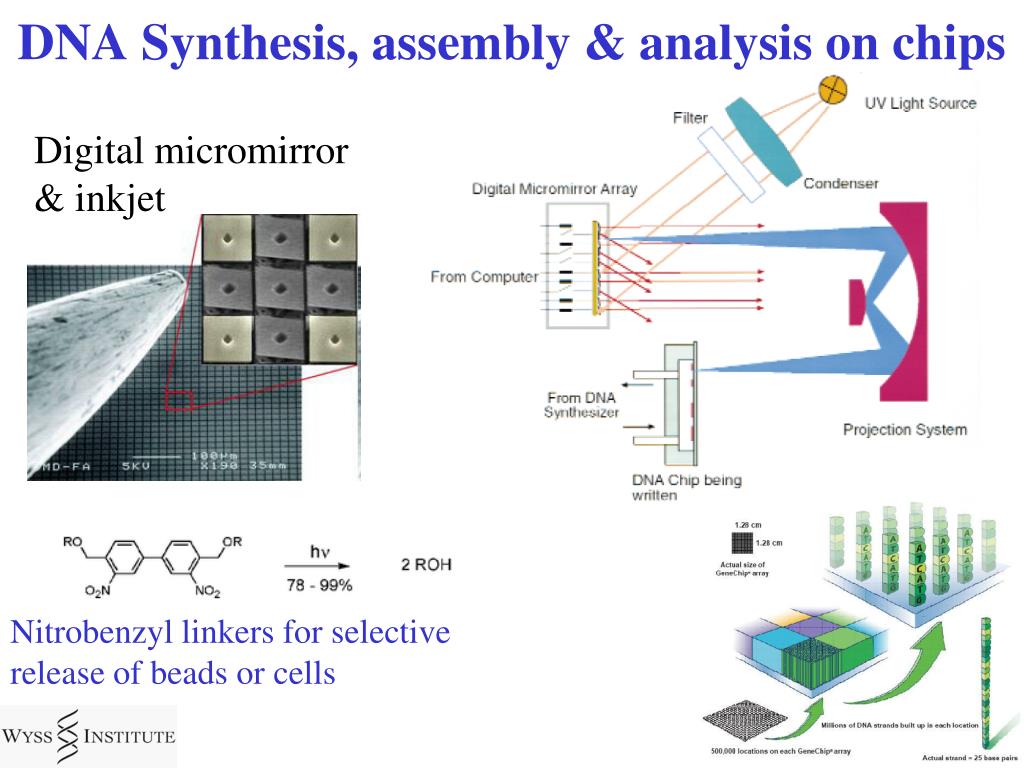
Scientists created a silicon chip capable of writing dozens of DNA sequences simultaneously using electricity and water-based enzymes, offering a cleaner and more efficient alternative to conventional DNA manufacturing methods.
The Breakthrough
Scientists have created a silicon chip that can write dozens of DNA sequences simultaneously using electricity and water-based enzymes, offering a cleaner alternative to conventional DNA manufacturing. This technological advancement represents a major step forward in synthetic biology and biotechnology.
The chip employs an innovative approach that combines electronic control with enzymatic catalysis. By using electrical signals to guide water-based enzymes, researchers have eliminated many of the harsh chemical solvents traditionally required for DNA synthesis. This not only makes the process cleaner but potentially more cost-effective and scalable.
How It Works
The silicon chip architecture allows precise spatial and temporal control over DNA synthesis reactions. Multiple synthesis reactions can occur simultaneously on different regions of the chip, dramatically increasing throughput compared to traditional sequential synthesis methods. The water-based enzymatic approach mimics natural DNA synthesis processes, potentially resulting in higher-quality DNA products with fewer errors.
Potential Applications
The breakthrough could eventually support numerous applications in medicine, agriculture, and biotechnology. Rapid, efficient DNA synthesis is crucial for developing new vaccines, creating gene therapies, engineering improved crop varieties, and producing synthetic organisms for industrial applications.
The technology could accelerate research in personalized medicine by enabling faster synthesis of custom DNA sequences tailored to individual patients' genetic backgrounds.
Advantages Over Current Methods
Conventional DNA synthesis methods rely on toxic phosphoramidite chemistry and large volumes of organic solvents. The new approach reduces chemical waste, lowers environmental impact, and potentially improves worker safety. By automating multiple synthesis reactions on a single chip, the method also reduces costs and increases speed.
Future Development
Researchers are now working to further optimize the chip design and scale up production capabilities. The next phase involves demonstrating that this technology can reliably produce DNA sequences of sufficient length and fidelity for complex synthetic biology projects.