
Senate Delays Jay Clayton Intel Director Confirmation Hearing After Trump Cancellation Dispute
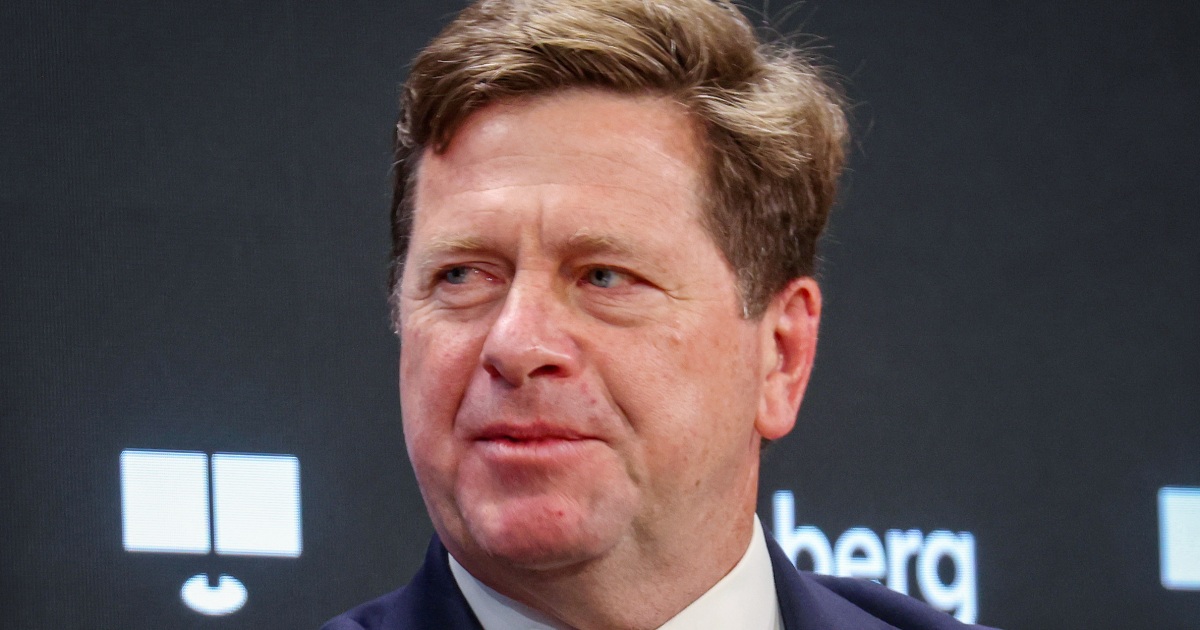
The Senate postponed a confirmation hearing for Jay Clayton, President Trump's nominee to lead the Office of Director of National Intelligence, after Trump announced he was cancelling it over disagreements with Democrats.
Hearing Postponement and Political Conflict
A scheduled confirmation hearing for Jay Clayton, President Trump's nominee for Director of National Intelligence, was abruptly postponed Wednesday after Trump publicly stated he was cancelling the proceeding. The dramatic postponement highlights escalating partisan tensions over the confirmation process and reveals deep disagreements between the White House and Senate Democrats over the nomination.
Nomination and Background
Jay Clayton's nomination to lead the Office of Director of National Intelligence represents one of the administration's key appointments in the national security arena. The DNI position is one of the most powerful in the intelligence community, responsible for overseeing and coordinating all U.S. intelligence agencies. Clayton's background and positions on surveillance, civil liberties, and intelligence operations have drawn scrutiny from both parties.
Trump's Cancellation and Political Stakes
President Trump's decision to cancel the hearing himself signals his displeasure with Democratic questioning and demands regarding Clayton's positions. The move is unprecedented in its directness and reflects the highly polarized nature of confirmation battles in the current Congress. Trump's action suggests the administration was concerned about the line of questioning expected from Democratic senators during the hearing.
Senate Response and Next Steps
The Senate has postponed rather than fully cancelled the hearing, leaving open the possibility of rescheduling. However, the unprecedented cancellation by the president adds significant uncertainty to the nomination timeline. Future confirmation for Clayton will depend on negotiations between Senate Republicans and the White House regarding the format and scope of questioning during any rescheduled hearing.